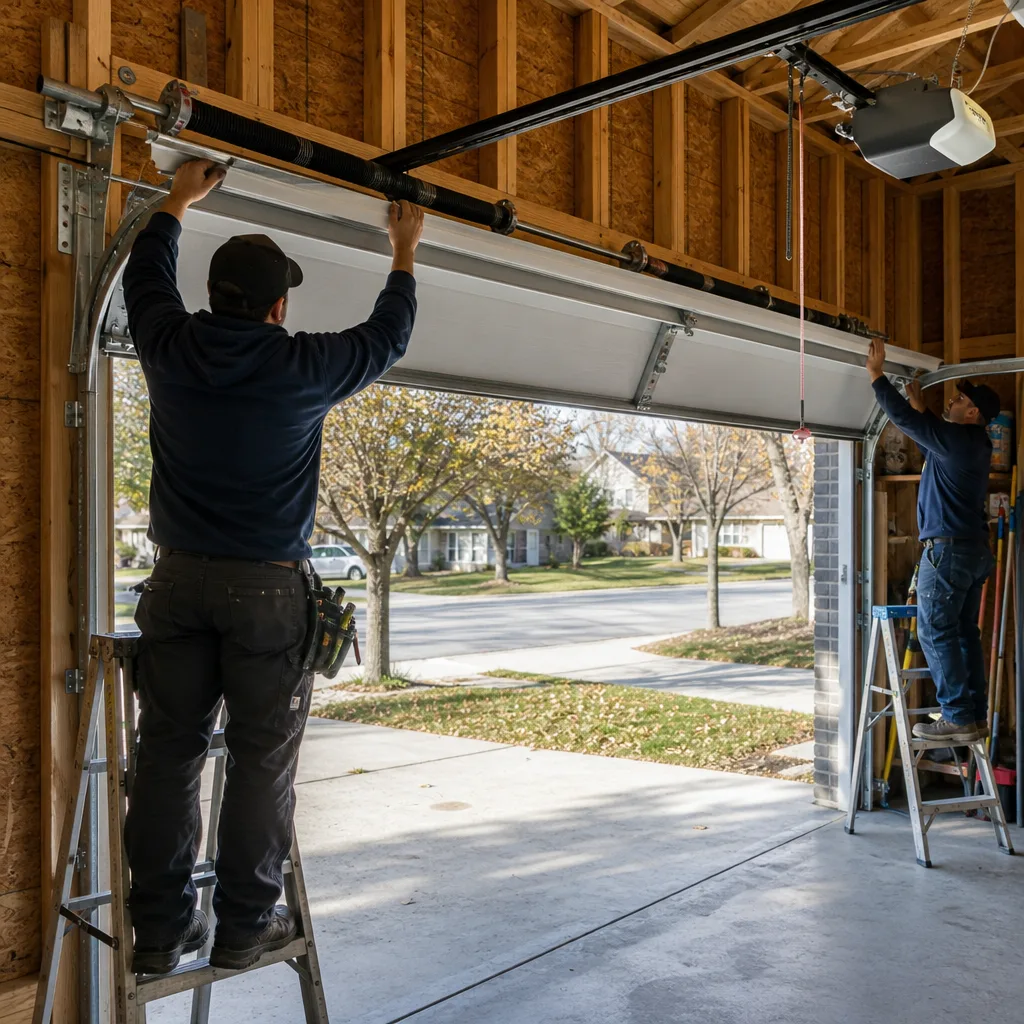
Last updated November 23, 2026
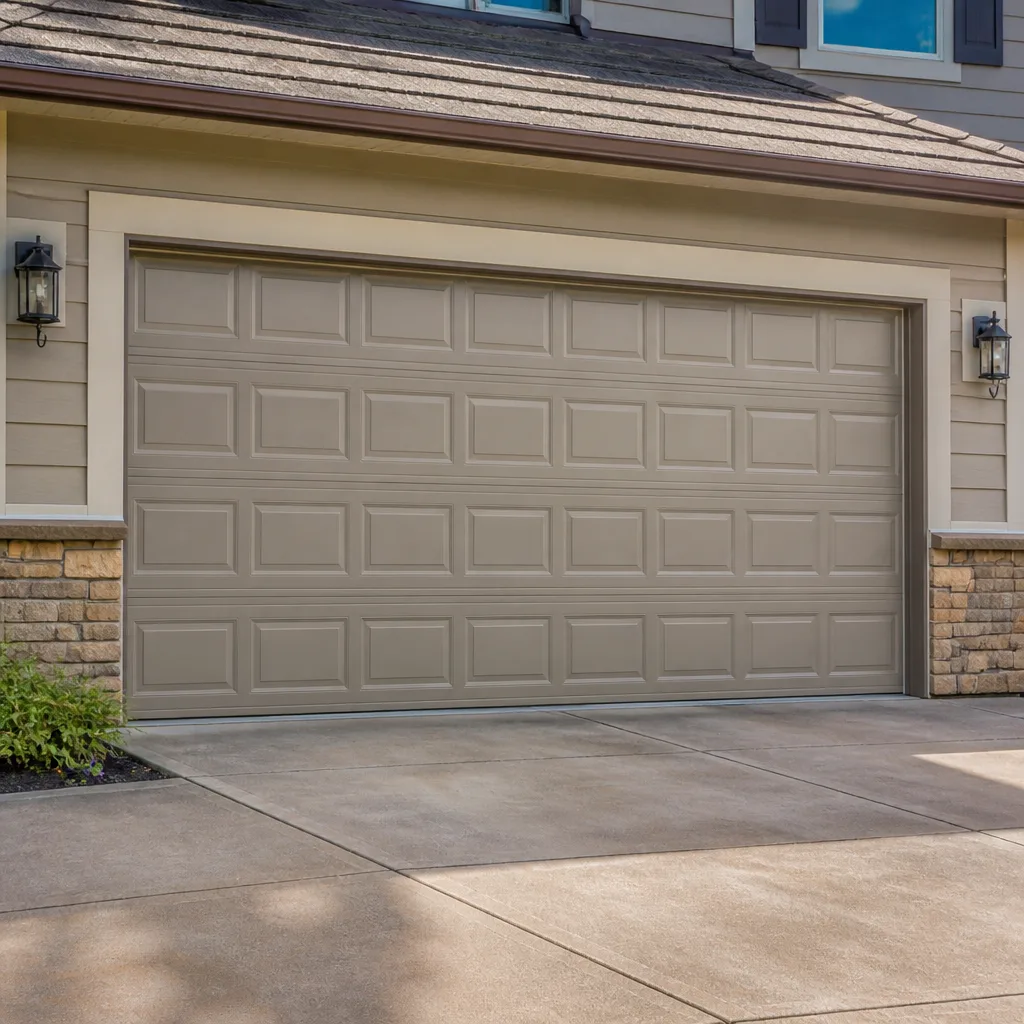 Raised-panel steel
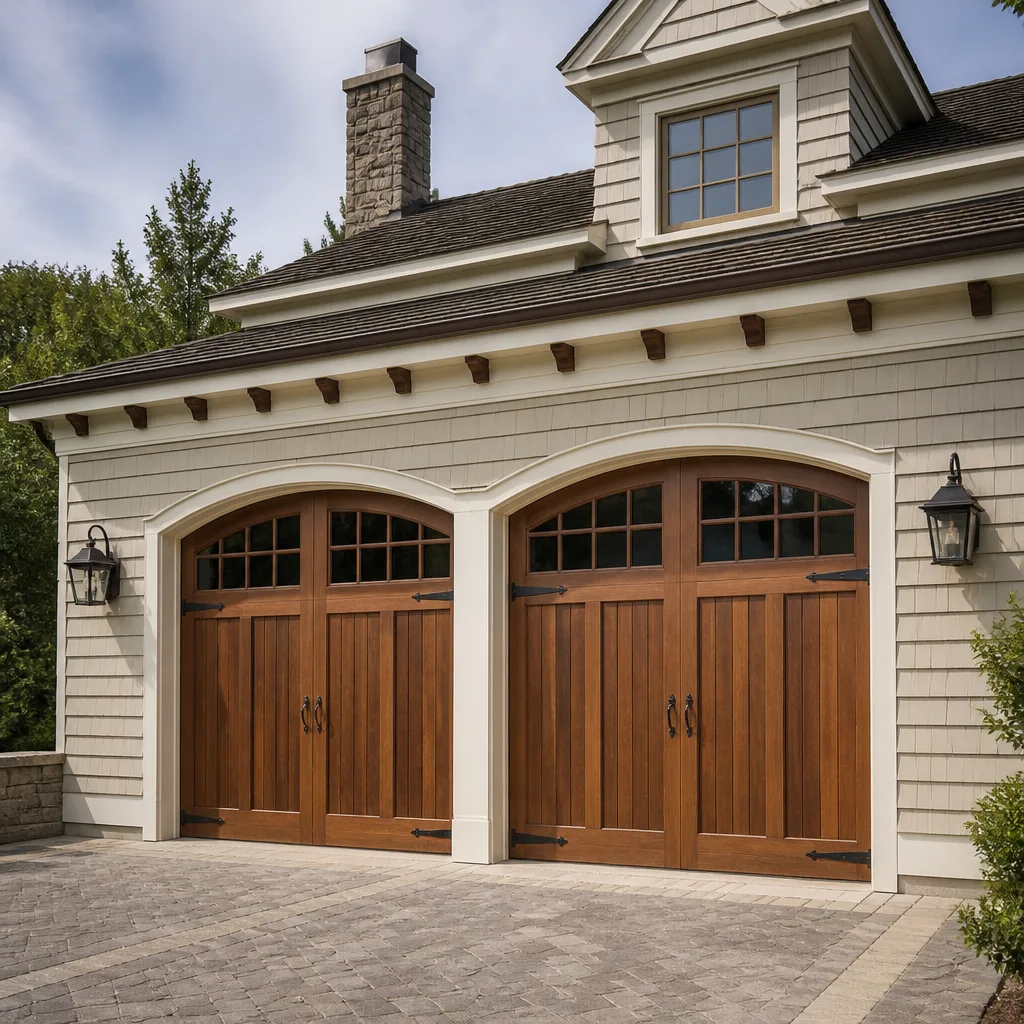 Carriage house
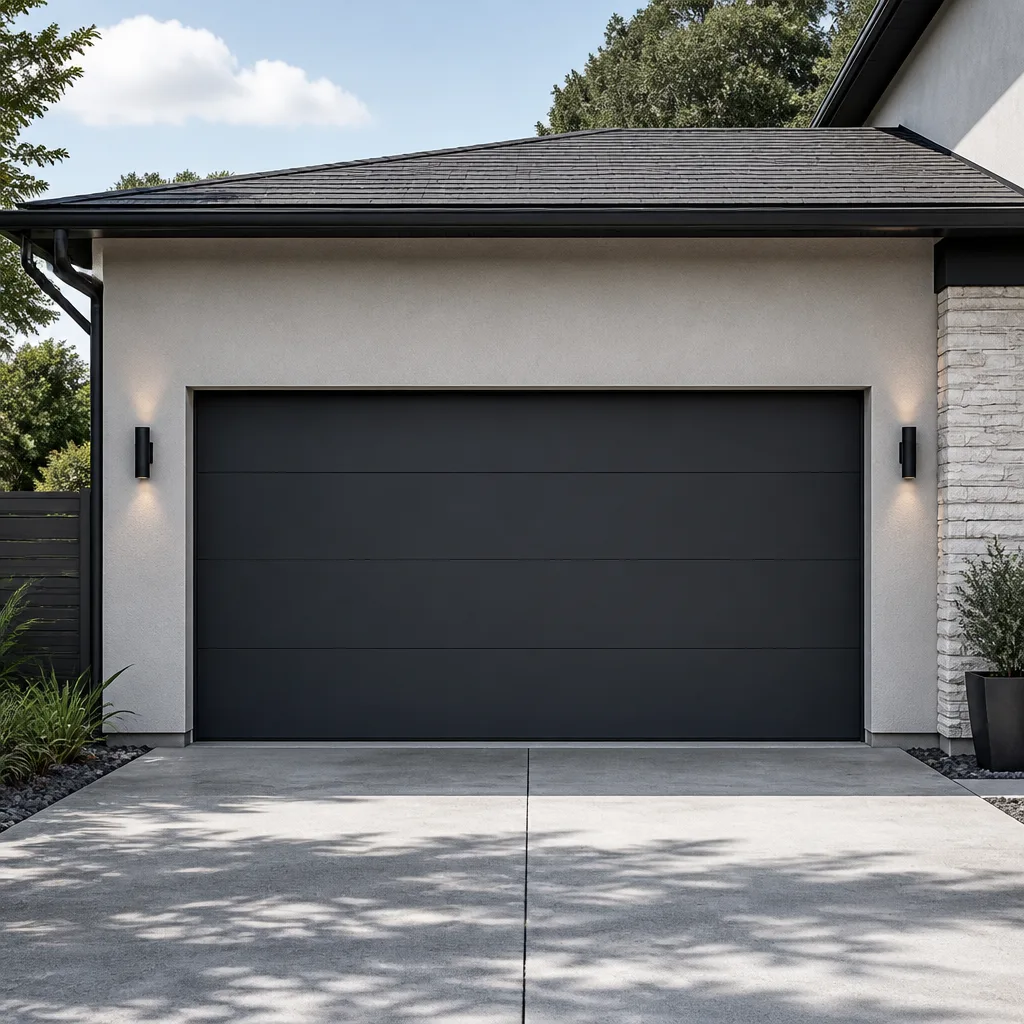 Modern flush
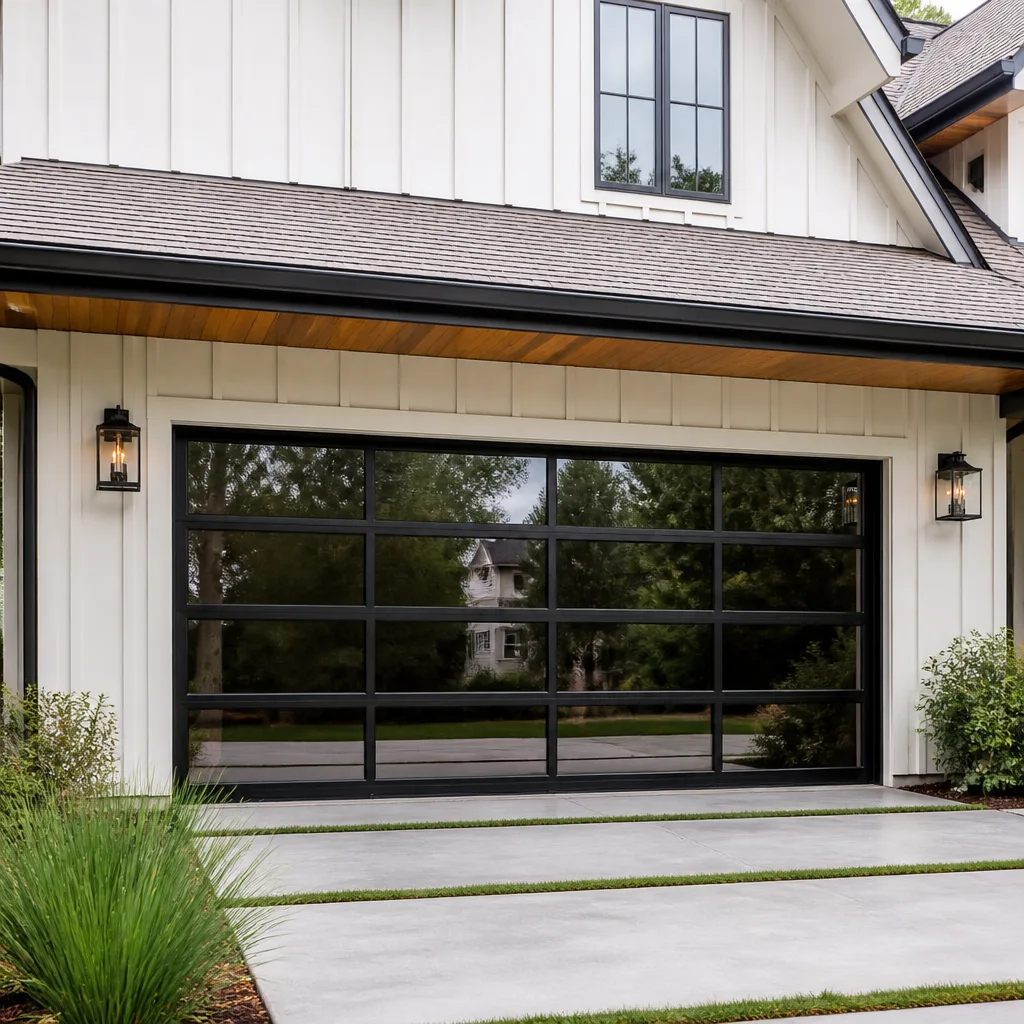 Full-view glass
 LiftMaster openers
 Chamberlain openers
Full 25-point door and opener safety check with every visit - springs, cables, rollers, tracks, and your LiftMaster or Chamberlain opener included
You get a price before we start. It does not change when the pro arrives.
Get your free estimateSeasonal Garage Door Care for Aurora: Year-Round Homeowner’s Guide
Most homeowners in Aurora assume spring is the season that does the most damage to a garage door. We see it differently. Late fall is the hardest month on Aurora garage doors, and the reason is tension. As overnight temperatures swing from cool to freezing, the cables on a door that hasn’t been looked at since spring take repeated cold-morning stress before anyone has winterized a thing. That’s when cables snap. That’s when a torsion spring that was already tired gives out. This guide walks through what each of Aurora’s four real seasons does to the hardware on your door, what to check and when, and how much time each season’s tasks actually take.
Quick Answer
Aurora garage doors need a light check each season, but the tasks aren’t the same. Late fall is the most important window because cold-morning cable and spring stress causes failures before winter. Winter calls for managing frozen tracks and a stuck bottom seal without forcing the door. Spring is for checking the frame after frost heave. Summer is for catching heat-expansion quirks in your opener’s limit settings. Budget 20 to 45 minutes per season for the checks a homeowner can safely do, and call a specialist for springs, cables and opener servicing.
Styles & brands we work with
- Raised-panel steel
- Carriage house
- Modern flush
- Full-view glass
- LiftMaster openers
- Chamberlain openers
Table of Contents
- Why Late Fall Matters More Than Spring in Aurora
- Winter: Frozen Tracks and a Stuck Bottom Seal
- Spring: Frost Heave and Frame Shifts
- Summer: Heat Expansion and Opener Limit Switches
- A Realistic Time-per-Season Schedule
- Brand-Specific Care: Genie, Clopay, Amarr and Wayne Dalton
- Common Mistakes to Avoid
- When to Call a Professional
Why Late Fall Matters More Than Spring in Aurora
Late fall is when Aurora garage doors fail. Between mid-October and the first hard freeze in December, the overnight temperature in Aurora drops far enough to place real tension on cables and torsion springs that spent the summer relatively stable. Then it warms back up during the day. That cycle repeats. Metal expands and contracts, cables stretch and relax, and springs that were already near the end of their working life give out. If you do one inspection a year, do it in October, not April.
What to look for before the first freeze
- Cable fraying: Look at the cables running along the sides of the door where they wrap their drums. Any broken wire strands, kinks or a fuzzy appearance mean the cable needs replacement before winter, not after.
- Spring gaps: A torsion spring with a visible gap in the coil has already failed or is about to. Extension springs should show no stretched section or hooks that appear to be opening.
- Weatherstrip and bottom seal: Run a hand along the bottom seal. Cracks or hard, brittle rubber mean cold air and snowmelt will find their way in, and the seal will likely fail completely in January.
- Lubrication: Hinges, rollers, and the torsion bar bearings all benefit from a garage-door-specific lubricant before cold weather. Not grease. Not WD-40. The right product makes a difference in the cold.
- Door balance: Disconnect the opener and lift the door by hand halfway. It should stay in place. If it drops or feels very heavy, the springs are tired and need to be looked at by a specialist.
Springs and cables are the highest-risk part of any garage door. Do not attempt to adjust, remove or replace them yourself. A wound torsion spring stores enough energy to cause serious injury, and the professionals who work on them use specific tools and procedures for a reason. When a spring or cable is the problem, that’s a job for a trained technician, and our garage door spring repair service exists precisely for this.
Winter: Frozen Tracks and a Stuck Bottom Seal
Winter in Aurora brings two predictable garage door problems: tracks that ice up at the floor, and a bottom seal that freezes to the concrete slab. Both are manageable if you handle them carefully and both can cause real damage if you force the door. The biggest mistake we see is a homeowner hitting the opener button again and again while the door is stuck. That’s how you strip a gear, burn out a motor, or snap a cable.
Managing frozen tracks
- Stop running the opener. If the door hasn’t moved after one press, don’t press it again. Disconnect the opener if you can.
- Clear snow and ice from the base. Use a plastic shovel, never a metal one, and clear the snow away from the door and the tracks at ground level.
- Break the ice safely. A rubber mallet tapped gently on the outside of the track (never inside, and never on the door panel itself) can free small ice buildups. Hot water works too, applied carefully and dried up afterward so it doesn’t refreeze.
- Inspect the bottom seal. If the seal has torn or come loose, it will keep freezing to the concrete. That’s a replacement job.
Why the bottom seal matters so much here
The bottom seal on a garage door is doing more work than most people realize. In Aurora’s winters it keeps snowmelt out of the garage, it prevents the metal door edge from making contact with a frozen slab, and it protects the door’s lift mechanism from the extra resistance of a frozen seal. A brittle, cracked seal is the most common cause of a door that “won’t close all the way” in January. If your seal looks bad going into winter, replace it before the first snow.
For opener trouble that shows up in the cold, whether it’s a LiftMaster that won’t complete a cycle or a Chamberlain remote that’s gone flaky, our garage door opener repair team works with all the major brands and can usually identify the problem quickly.
Spring: Frost Heave and Frame Shifts
As Aurora thaws in March and April, the ground under and around your garage moves. Frost heave is a real thing in this part of Illinois: soil that froze deep over the winter expands upward as it thaws, and the concrete slab your garage sits on can shift slightly. This is the seasonal risk most homeowners don’t think to check, and it’s the one that quietly creates long-term alignment problems.
How to assess for frost heave damage
- Look at the gap under the bottom seal. Stand inside the garage with the door closed and look for daylight coming through. A new gap that wasn’t there in the fall is a sign the slab or frame has moved.
- Check the weatherstrip on the sides. Run your hand along both sides of the door with it closed. Feel for gaps where the weatherstrip used to make contact but doesn’t now.
- Watch the door travel. A door that scrapes, binds, or seems to shift left or right as it goes up and down is a sign the tracks have been pushed out of alignment by the frame moving.
- Look at the vertical tracks themselves. They should be plumb. Slight bowing or a track that’s pulling away from the jamb at the bottom is worth a closer look.
- Inspect the slab edge. Look along the garage floor where it meets the wall. New cracks or a visibly shifted edge suggest the concrete moved over the winter.
Minor weatherstrip gaps can often be closed by adjusting the bottom seal or replacing a section of weatherstrip. But a frame that has shifted, tracks that are out of alignment, or a door that’s visibly harder to operate are signs to stop and call for an assessment. Forcing a misaligned door is how bigger problems start. Aurora’s building department can tell you what permits apply if structural changes are needed; keep that conversation separate from the door repair itself.
Summer: Heat Expansion and Opener Limit Switches
Summer in Aurora brings a different set of garage door issues, and most of them trace back to one thing: heat. Steel doors, and steel tracks, expand measurably when the garage gets hot. On a sunny day, a garage that isn’t well ventilated can easily hit high indoor temperatures, and that expansion changes the tolerances your door was set up with. The result is usually an opener limit switch that needs a small adjustment, not a replacement.
What heat expansion actually does
- Opener stops short of fully closing. The opener’s travel limits were set in cooler weather. When the door expands slightly, it reaches the “close” limit setting before the door actually touches the floor. A technician can recalibrate the limits in a few minutes.
- Door doesn’t open all the way. Same idea in reverse. The opener thinks it has reached its open limit before the door is fully up.
- Safety reversal triggers randomly. Heat can sometimes cause a slight binding in the tracks or rollers. If the opener’s safety sensor detects resistance, it reverses the door even though nothing is actually in the way.
- Lubricant dries out faster. Summer heat causes garage door lubricant to dry out or run off more quickly than in cooler months. Re-lubricating hinges and rollers in late spring helps carry them through summer.
Most of these are easy fixes. Some homeowners have a Genie or Chamberlain opener with digital limit settings they can adjust themselves; if that sounds right for your system, the manual will walk you through it. But if you’ve adjusted once or twice and the door still isn’t behaving, it’s worth having a technician look at the problem rather than chasing it from one setting to the next. A worn gear, a failing logic board or a sensor that’s drifted out of alignment can mimic a limit-switch issue, and the right diagnosis saves time.
A Realistic Time-per-Season Schedule
A practical seasonal routine doesn’t take long. Here’s what we recommend for Aurora homeowners, with a realistic time estimate for each task so you can actually plan it rather than just think about it.
- Late fall (October into early November) – 45 minutes: Cable and spring visual inspection (5 min), weatherstrip and bottom seal check (5 min), lubrication on hinges, rollers and bearings (10-15 min), balance test with the opener disconnected (5 min), snow and ice prep around the slab edge (5 min), scheduling a professional spring and cable check if anything looked questionable (the phone call is 5 min).
- Winter (as needed) – 10 to 20 minutes: Clear snow from the door base after each significant snowfall, check the bottom seal isn’t frozen to the slab before opening, watch for any track icing. None of this is scheduled; it’s responsive.
- Spring (April into May) – 30 minutes: Frame and weatherstrip gap check (10 min), track alignment look (5 min), balance test again (5 min), clean and re-lubricate the tracks and rollers (10 min).
- Summer (June and again in August) – 20 minutes: Listen to the opener’s operation each time you use it (no scheduled time), open the garage to vent heat when you can, check that the door reaches its full open and full closed positions (5 min), re-lubricate if the door starts to squeak or sound dry (10 min).
Total time across the year, if you do everything a homeowner should do themselves: under two hours. That’s a small amount of effort for a door that should last far longer with care than without. The spring and cable inspections, and any opener services, belong with a technician who works on garage doors every day.
Brand-Specific Care: Genie, Clopay, Amarr and Wayne Dalton
Garage doors and openers aren’t all designed the same way, and seasonal care should account for what you actually have. We work with equipment from eight of the most widely installed brands on the market, including Genie, Clopay, Amarr and Wayne Dalton, and each of them has its own considerations when it comes to seasonal maintenance.
- Genie openers: Many Genie models use screw-drive or belt-drive systems that behave differently in heat and cold. Limit settings on some Genie models require a specific adjustment procedure, and the safety sensors can drift if not kept clean. Winter cold can stiffen the belt on belt-drive models, sometimes causing a slight delay on first use of the day.
- Clopay doors: Clopay steel doors are common in Aurora, and they’ll expand in summer heat just like any other steel door. Their bottom seals and weatherstrip are also brand-specific, so a replacement seal should match the door’s profile for a proper fit.
- Amarr doors: Amarr panels are engineered to specific tolerances, and the roller and hinge positions vary by model. Adjusting or lubricating the wrong hardware can cause uneven wear. Track alignment after frost heave is worth checking on Amarr doors specifically for that reason.
- Wayne Dalton doors and openers: Wayne Dalton has a mix of door styles and opener components, and some models have unique torsion setups. If your door is a Wayne Dalton, that’s worth mentioning when you call so the right technician and parts are on the job.
Brand-specific knowledge matters. It’s a different approach to a Clopay panel than to an Amarr, and a Genie opener that’s not cycling correctly needs a technician who knows the Genie logic rather than a generic diagnostic. That’s why we only service garage doors and only work with the specific systems underneath each brand.
Common Mistakes to Avoid
- Waiting for spring to inspect. Most Aurora homeowners think of spring as “inspection season.” The reality is that late fall is the critical window because that’s when cold-morning tension spikes do the real damage. By the time you get to spring, the failure has already happened. Do the inspection in October.
- Forcing a stuck door. If the door won’t move after one press of the opener, stop. Repeatedly hitting the button is how gears strip and motors burn out. In Aurora’s winters, a frozen bottom seal or iced track is a common cause of a stuck door, and forcing it creates a much more expensive problem than thawing it carefully.
- Lubricating the tracks. The tracks should not be greased. Rollers and hinges get lubricant; tracks get cleaned and left dry so the rollers can roll. Greasing the tracks attracts dirt, which grinds the rollers down faster.
- Setting opener limits in the wrong season. If the opener’s travel limits are set in winter, the door may overshoot in summer heat. Limits should be calibrated so the door closes fully in the most extreme temperature your garage sees, which in Aurora means a hot summer day.
- Overlooking the bottom seal. A cracked or worn bottom seal is the most common cause of winter door problems. Replacing it in late fall costs a fraction of what a winter door failure and emergency call costs.
- Ignoring the frame after frost heave. A slight gap in the weatherstrip after the spring thaw is easy to miss. But an unaddressed frame shift will cause the door to bind, wear out tracks, and eventually put strain on the opener. Check for it every April.
- Handling springs and cables yourself. This is the one task we won’t recommend for a homeowner, in any season. Wound torsion springs and stretched cables store dangerous energy, and the injuries that result from working on them are serious. When you see fraying, gaps, or a door that’s no longer balanced, call.
See the difference
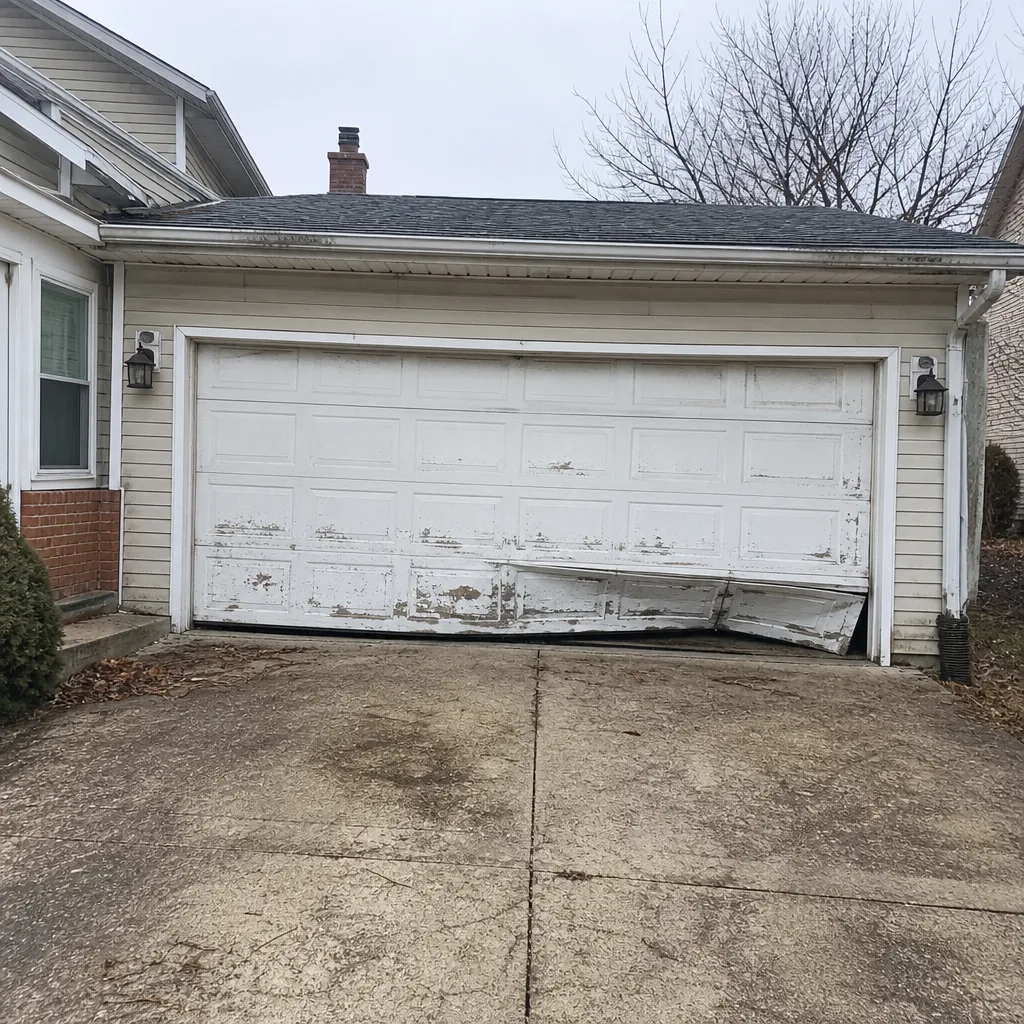 Before
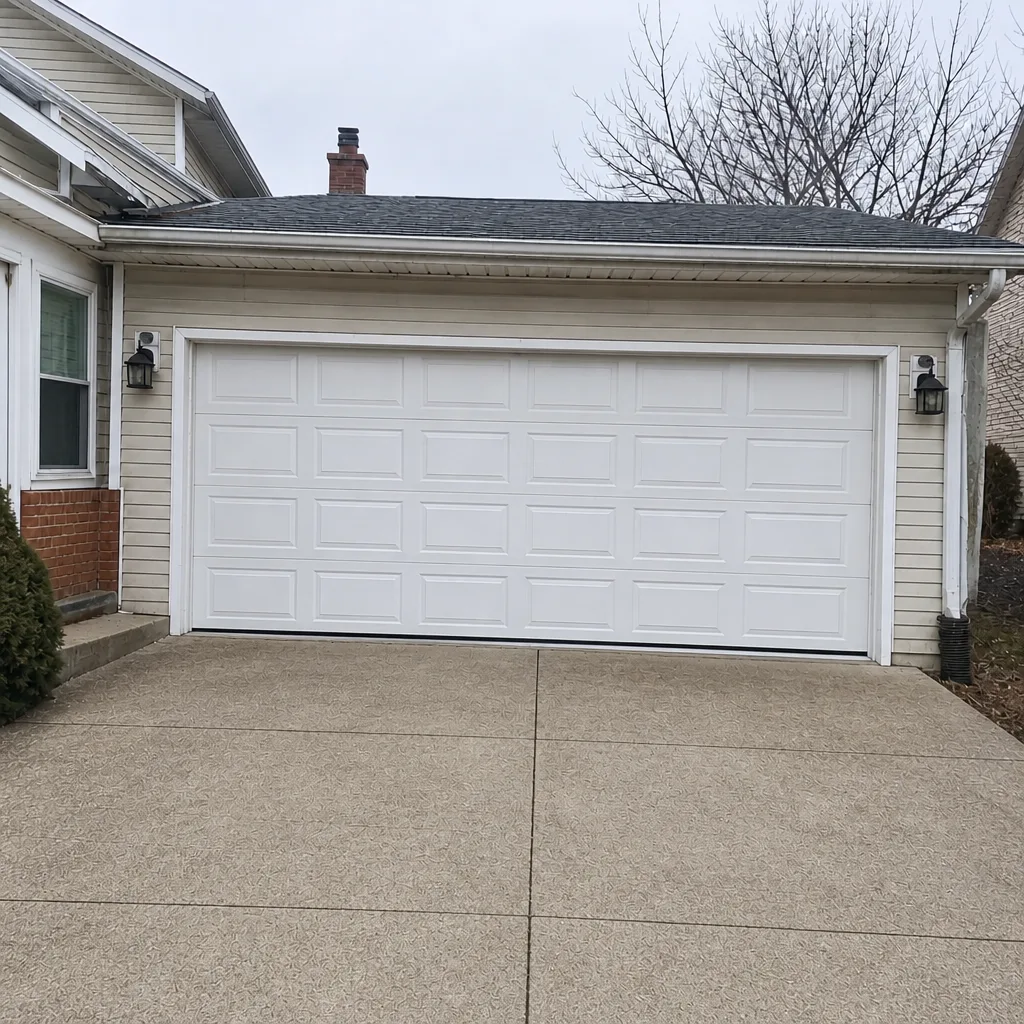 After
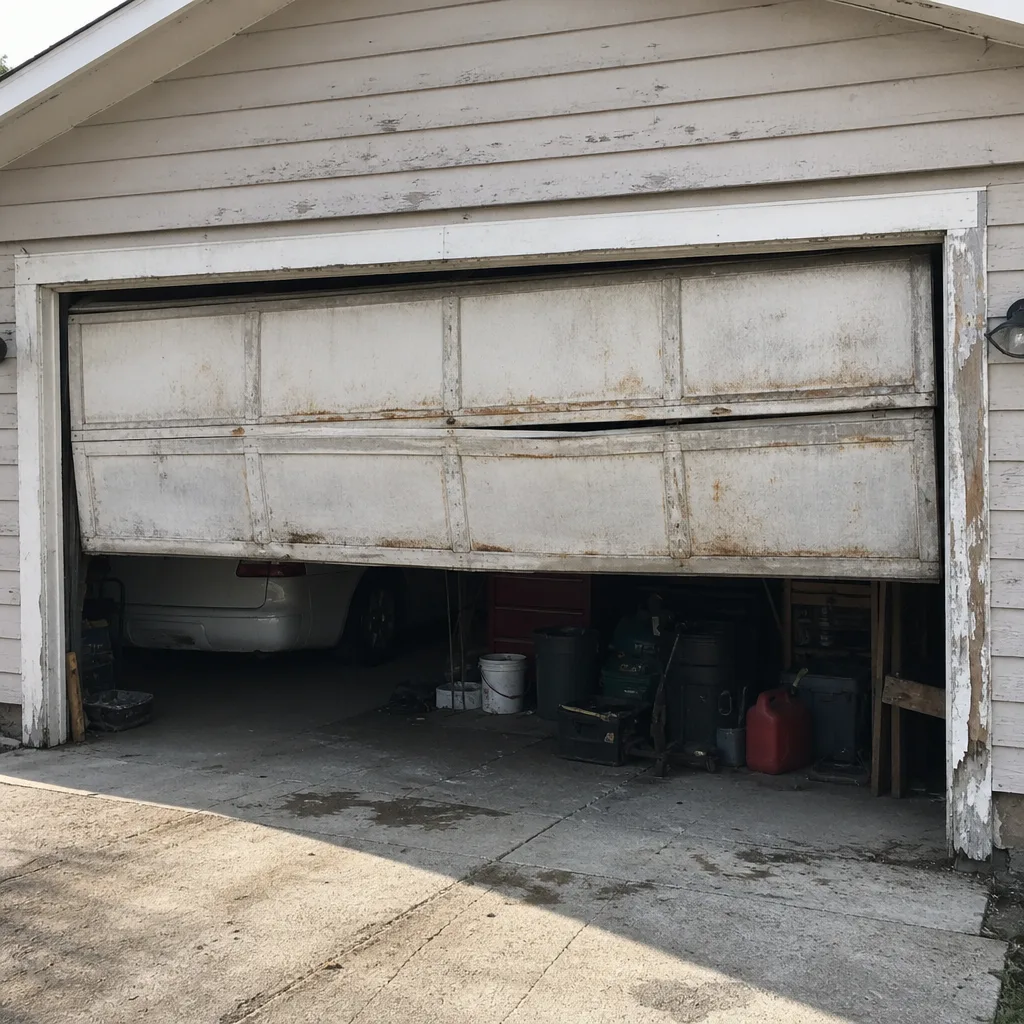 Before
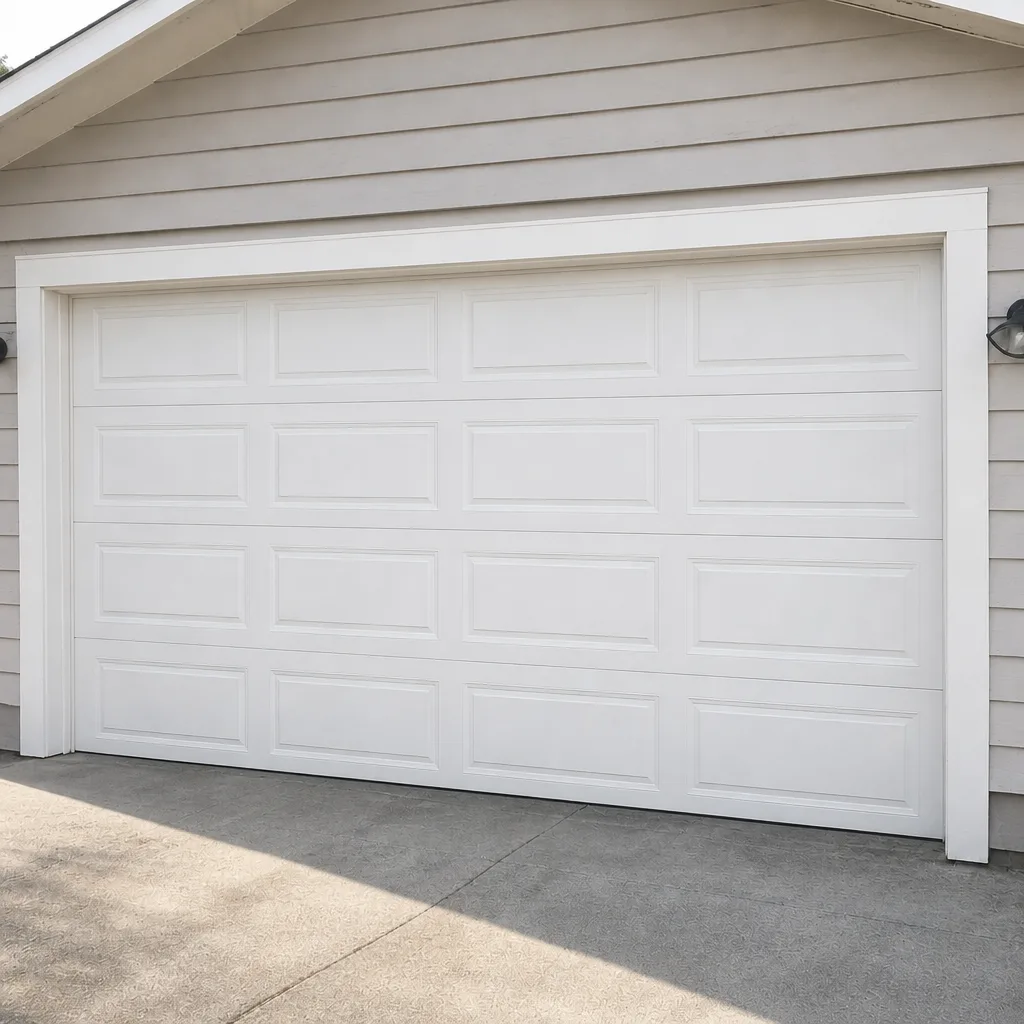 After
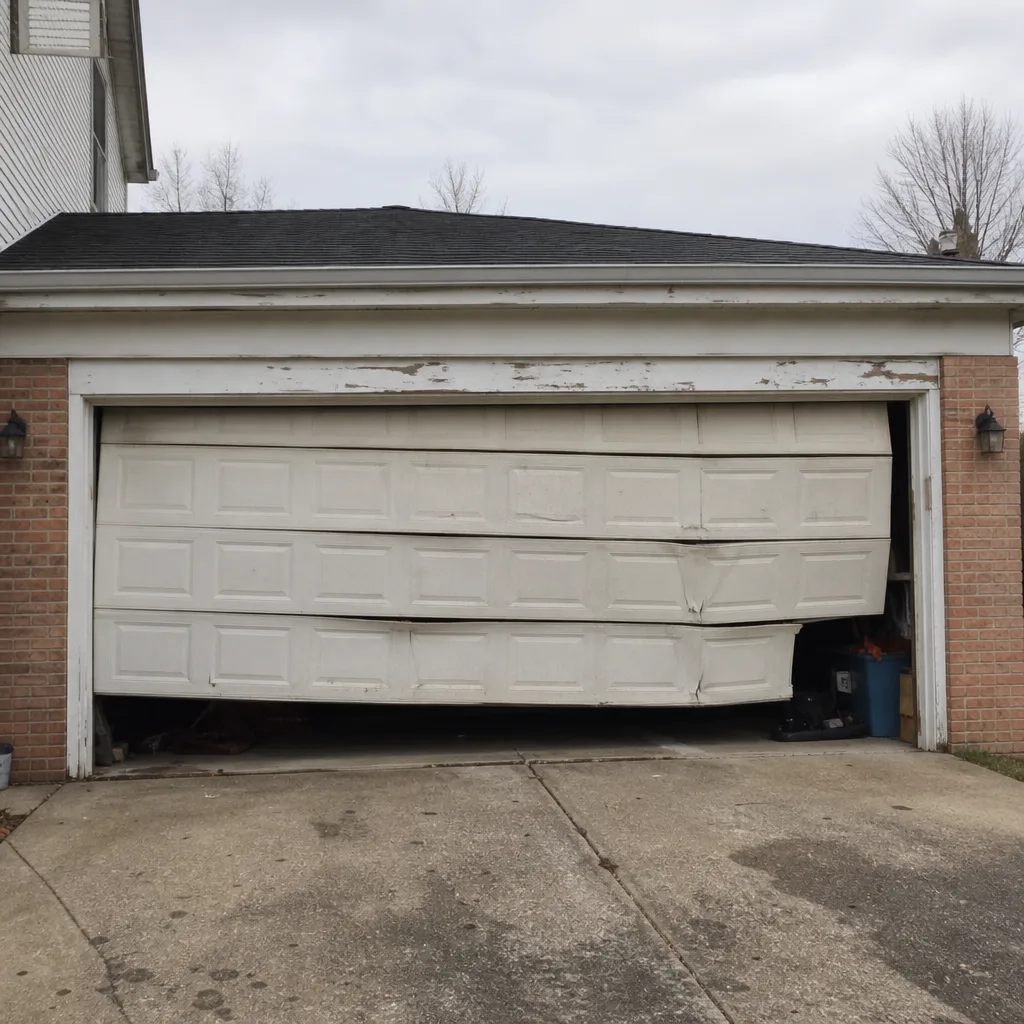 Before
 After
When to Call a Professional
Some tasks a homeowner can do safely. Springs, cables, and opener diagnostics are the ones to leave to a specialist. Call when you see a broken or gapped spring, frayed cables, a door that won’t stay balanced, an opener that’s stopped cycling properly, a door that’s scraping or binding after a seasonal change, or a bottom seal that’s torn or frozen to the slab. When the door won’t open or close and access or security can’t wait until morning, we can respond the same day. Our technicians have up to 9 years of experience working on garage doors, and every service call includes a diagnosis before any work begins, so you know exactly what’s wrong before we start. Aurora Garage Door Repair Pros offers free estimates in Aurora – call (866) 947-9649.
Frequently Asked Questions
Late fall. October and November are when Aurora garage doors fail most often because cold-morning cable and spring stress come before most homeowners have thought about winterizing. A fall inspection finds the wear before it becomes a broken spring. If you do only one service call a year, make it in October.
Look for a visible gap in the torsion spring coil, a stretched or separated section in extension springs, or a door that no longer stays in place halfway up when you lift it by hand. Any of those means the spring is tired. A door that feels suddenly much heavier is also a sign. Springs are the highest-risk component of the system and should be inspected by a technician rather than adjusted at home.
Sometimes, yes. If the door is stuck to the bottom seal or iced in the tracks, stop running the opener, clear the snow with a plastic shovel, and use hot water or a rubber mallet to free the ice carefully. What you should not do is force the door open with the motor. If the door won’t move after thawing, that’s a call to a technician.
Twice a year is usually enough in Aurora: once in late fall going into winter, and once in spring after the thaw. Hinges, rollers, and the torsion bar bearings get lubricant. The tracks do not. Use a garage-door-specific lubricant, not general-purpose grease, so the lubricant behaves the same way in cold and heat.
That’s usually heat expansion. The steel door and tracks expand slightly in summer heat, and the opener’s travel limits were set in cooler weather, so the opener thinks it’s done before the door reaches the floor. The fix is a limit switch recalibration, which is a quick task for a technician and sometimes a DIY adjustment on openers with digital settings. If it persists after adjustment, there could be a mechanical issue instead.
Check for new gaps around the door where it meets the frame and the floor, and look for daylight coming through the bottom seal from inside a closed garage. Then watch the door travel: if it scrapes, binds, or shifts left or right, the frame or tracks may have moved from frost heave. Any of those signs is worth scheduling a professional visit to check alignment before the door’s hardware wears faster than it should.
The Bottom Line
Seasonal garage door care in Aurora isn’t a generic to-do list copied from a national homepage. It’s a specific routine built around what Aurora’s four seasons actually do to a door: fall tension spikes, winter freezing, spring frost heave, and summer heat expansion. If you do only one thing, do the fall inspection. If you do everything a homeowner should do, you’re looking at under two hours of your time across the year. And if at any point you’re inspecting something and feel uncertain, especially around springs or cabinetry of the opener, call us. That’s what we’re here for.
When a spring, cable, opener or panel needs real work done, our garage door repair team handles the diagnosis and the fix in one visit. We only do garage doors, which means we do them right, and our brand-matched parts and diagnostics mean we work with your specific hardware rather than a generic substitute. You can find everything we cover on our Aurora Garage Door Repair Pros home page.
Contact Us for a Free Seasonal Check
Whether you’re prepping for winter, recovering from spring thaw, or something on your door is making a sound you don’t recognize, we’ll come out, diagnose the problem, and give you a written estimate before any work begins. Call (866) 947-9649 for a free estimate. Springs, cables, openers and panels, one call covers it all.
Written by the team at Aurora Garage Door Repair Pros.