Last updated November 23, 2026
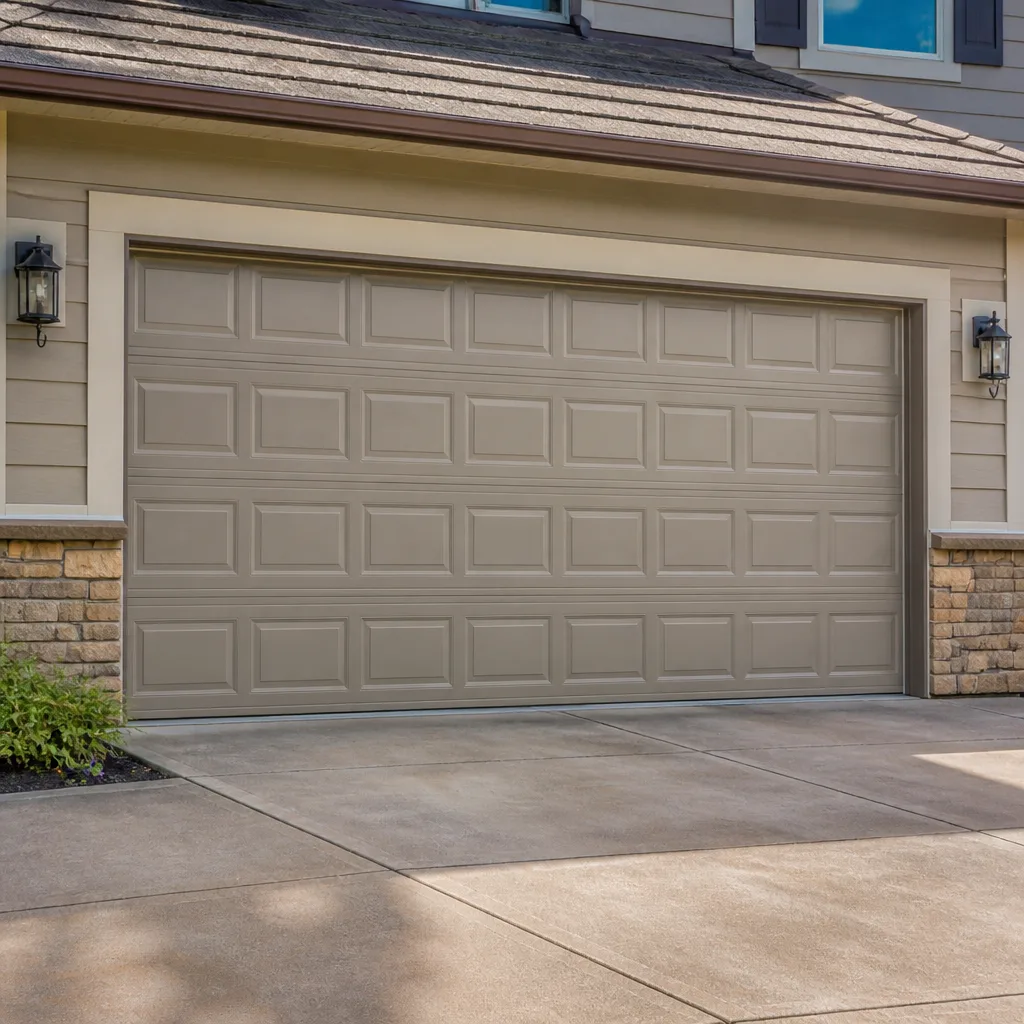 Raised-panel steel
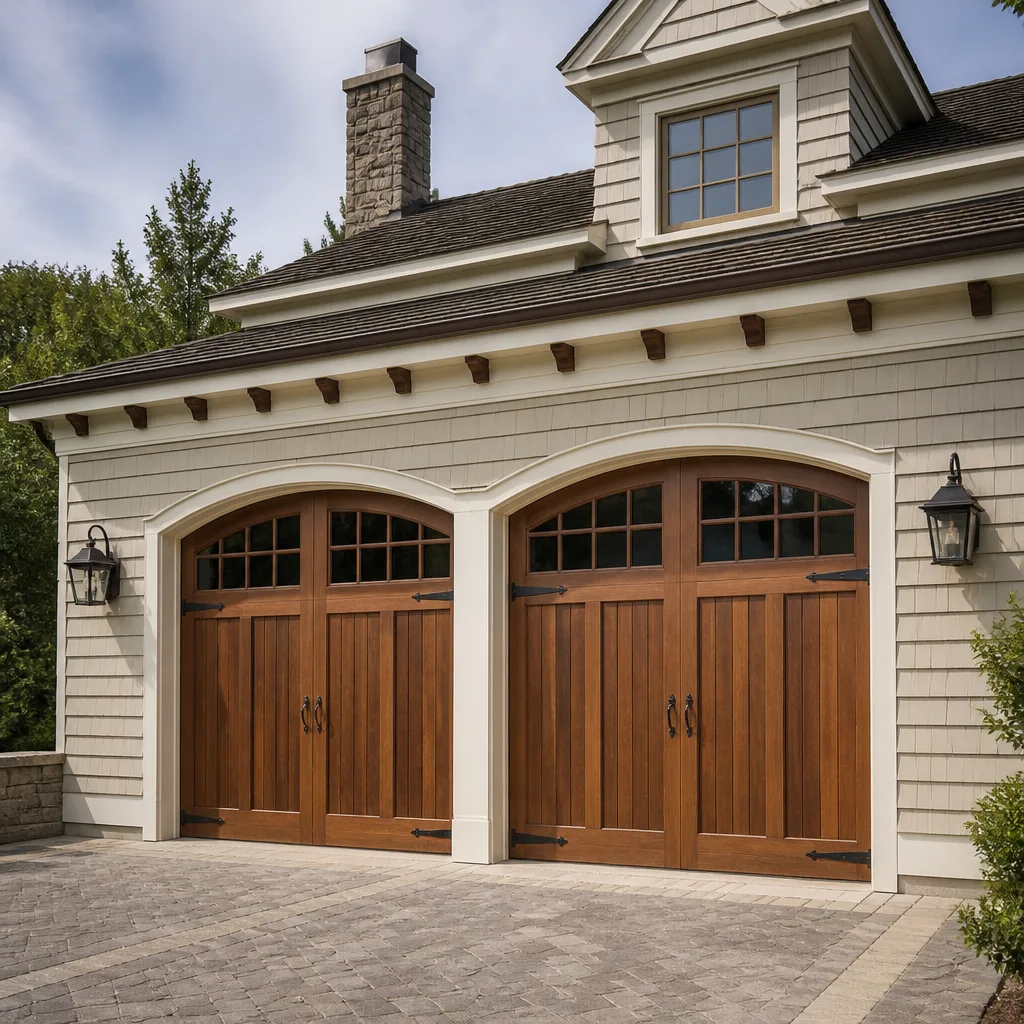 Carriage house
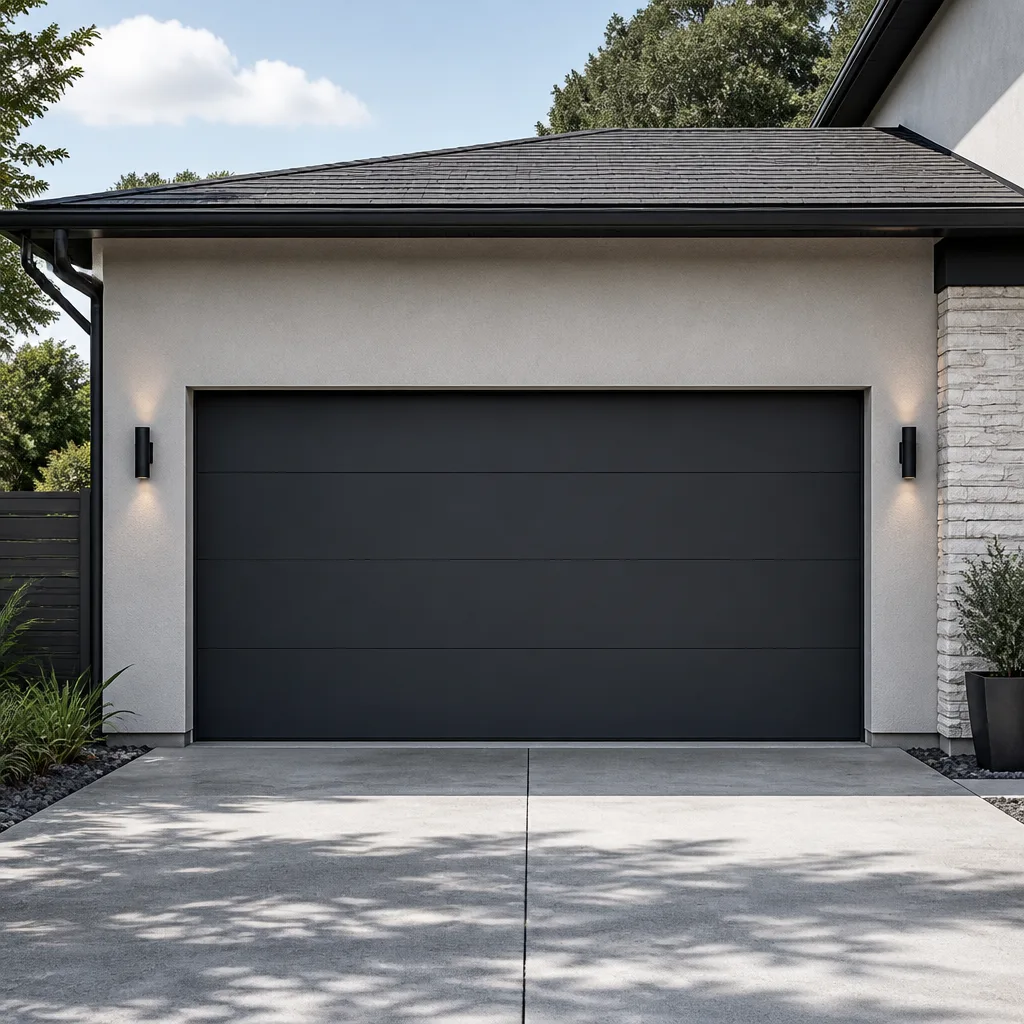 Modern flush
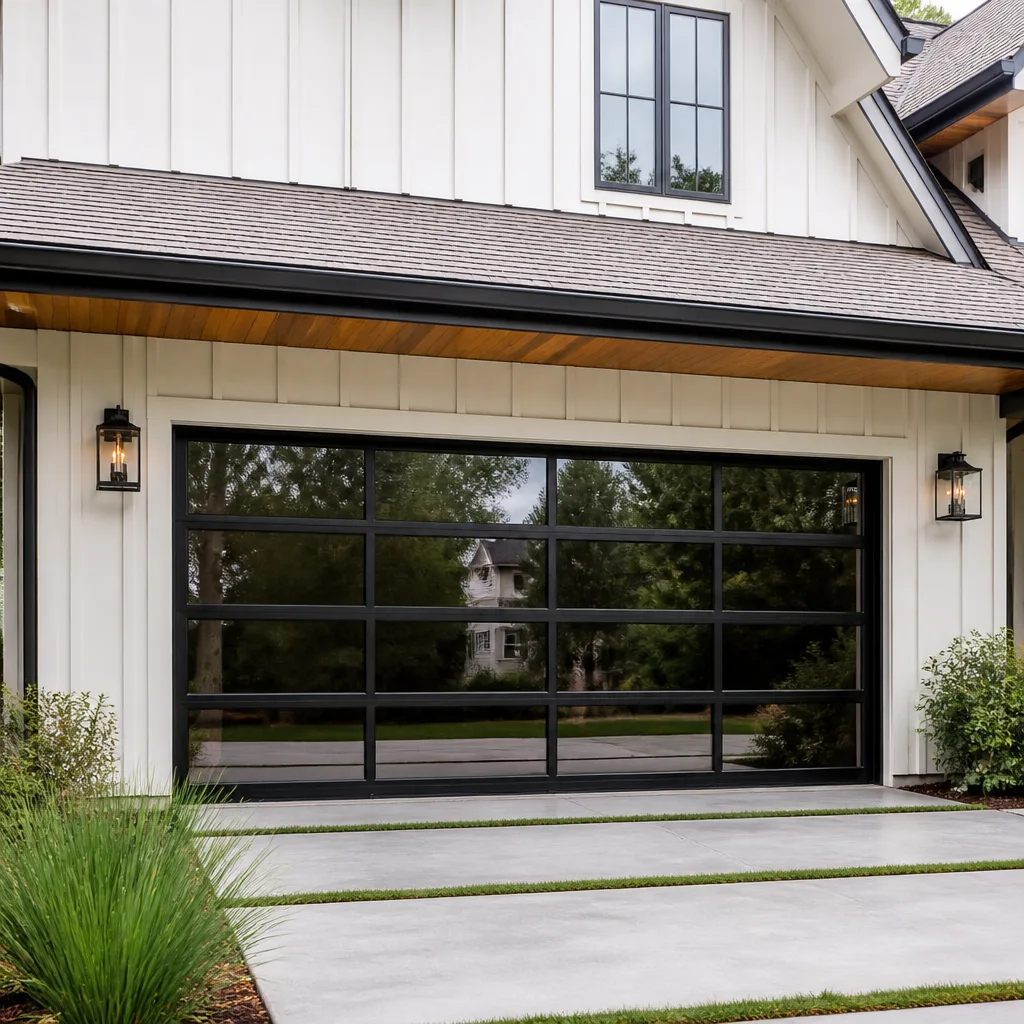 Full-view glass
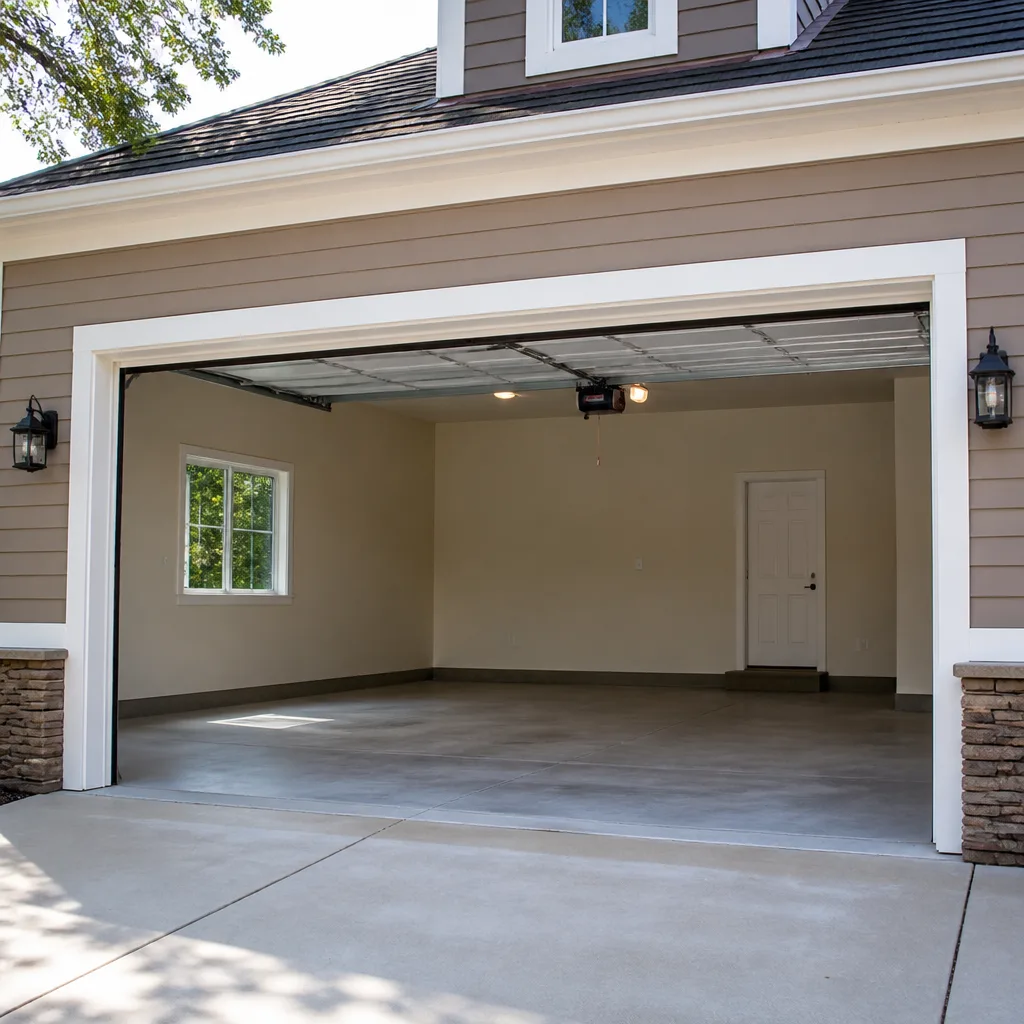 LiftMaster openers
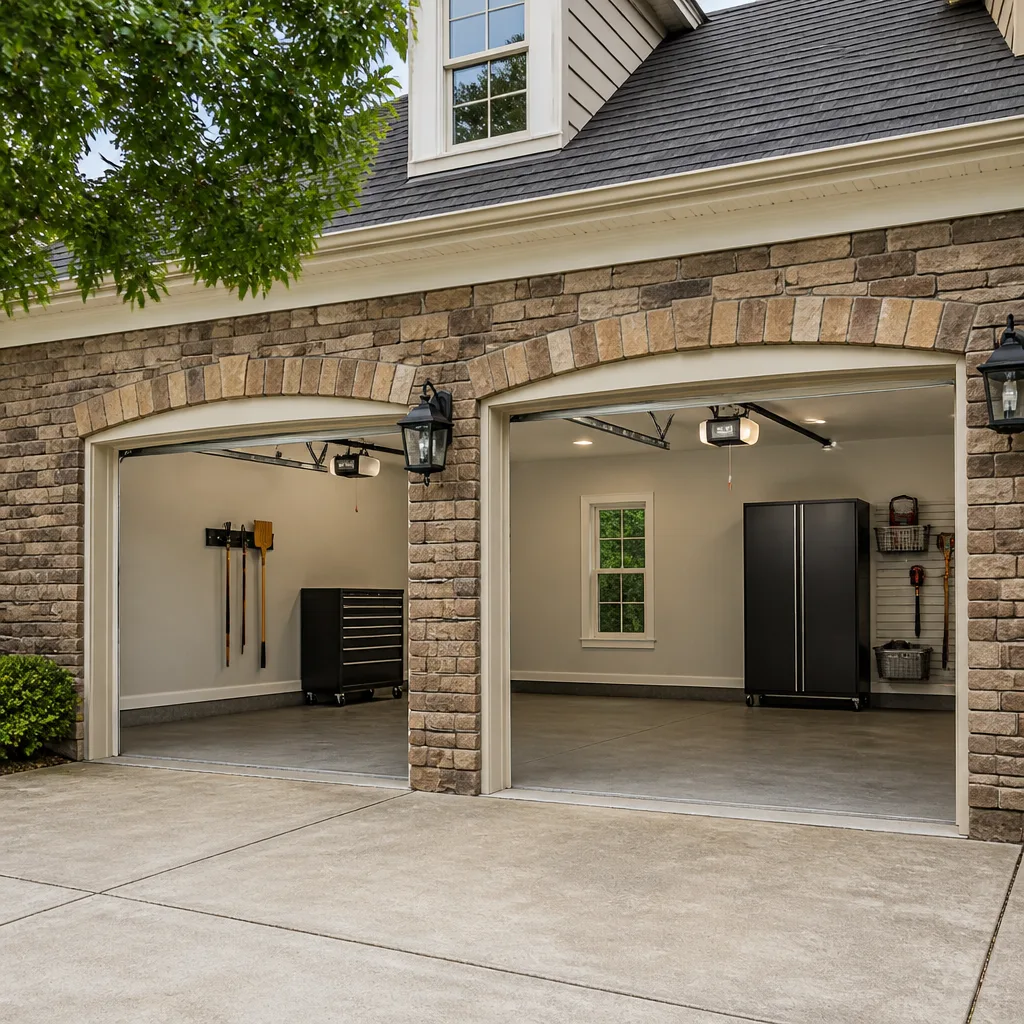 Chamberlain openers
Full 25-point door and opener safety check with every visit - springs, cables, rollers, tracks, and your LiftMaster or Chamberlain opener included
You get a price before we start. It does not change when the pro arrives.
Get your free estimateChoosing the Right Garage Door Brand: A Buyer’s Guide for Aurora
The brand that tops every “best garage door” listicle is sometimes the hardest one to get parts for in the Aurora area. A two-week wait on a proprietary panel in February is a real problem, and brand rankings never account for it. Most buying guides compare color options and curve appeal, then stop. They don’t tell you which manufacturers actually have service and parts reach into the western suburbs, how steel holds up against road salt on a driveway-facing attached garage, or which warranties are easy to claim locally versus which look great until you try. This guide covers what matters for an Aurora homeowner: parts availability, cold-climate performance, opener compatibility, and warranty terms you can actually use.
Quick Answer
The right garage door brand for an Aurora home is usually the one with local parts availability, a steel gauge and finish that survive road-salt exposure, and clean compatibility with the opener you already own or plan to buy. Clopay, Amarr, Wayne Dalton, Raynor, and CHI all have workable service reach into the Aurora market, so the decision often comes down to model line, insulation R-value for our climate, and how quickly a replacement panel can reach your driveway. Brand name alone rarely decides it.
Styles & brands we work with
- Raised-panel steel
- Carriage house
- Modern flush
- Full-view glass
- LiftMaster openers
- Chamberlain openers
Table of Contents
- Which garage door brands actually have service and parts reach in Aurora?
- How do you read R-value for an Aurora climate zone?
- Steel gauge, finish, and Aurora’s road-salt reality
- Which door brands pair cleanly with LiftMaster, Chamberlain, and Genie openers?
- Warranty terms that matter versus warranties that only look good on paper
- A step-by-step way to choose your brand
- Materials compared for Aurora weather
- Common mistakes to avoid
Which garage door brands actually have service and parts reach in Aurora?
The brands you can buy are not always the brands you can service quickly. Across the Aurora market, the manufacturers with the most consistent parts and service reach are Clopay, Amarr, Wayne Dalton, Raynor, and CHI. LiftMaster, Chamberlain, Genie, and Craftsman occupy the opener side of the equation, and all four show up on Aurora driveways often enough that any garage door specialist here needs to know them cold. When you’re comparing door brands, ask a plain question: if a bottom section gets dented or a panel cracks, how long until a replacement arrives?
What service and parts reach really means
A brand can be sold in Aurora and still be slow to repair. The difference is whether local suppliers and distributors keep the sections, hinges, rollers, and track hardware in stock, or whether every replacement part has to be ordered from a regional warehouse. Clopay and Amarr tend to have the broadest distribution into northern Illinois, which usually means faster access to matched sections. Wayne Dalton and Raynor have solid footprints too, though availability can vary by model line more than by brand. CHI is a strong option in certain product categories but has a narrower dealer presence than the big national names.
A practical way to test availability before you buy
- Ask the installer which distributor supplies the brand in this region, not which factory makes it.
- Ask for a typical lead time on a replacement bottom section in that specific model line.
- Ask whether the color and finish are still in production. Discontinued colors are the single biggest cause of slow panel matches.
- Confirm warranty service can be arranged through a local professional rather than only through the manufacturer’s national claims desk.
If a brand can’t answer those four questions with real numbers, it’s a poor fit for an Aurora home no matter how good the door looks in a brochure. When a panel is damaged and you need it resolved, our garage door repair team works with the manufacturer’s tolerances for that specific model rather than forcing a generic replacement part.
How do you read R-value for an Aurora climate zone?
R-value measures how well a door resists heat flow, and in Aurora it matters for two reasons: an attached garage shares a wall with the house, and a cold garage pulls heat through that wall all winter. The numbers themselves are simple. What’s harder is knowing which R-value claim is honest and which is marketing. Some manufacturers quote the R-value of the center of a panel, ignoring the gaps where the panels meet. Others quote a whole-door number that includes the frame and joints. Those two figures can differ substantially on the same door.
What to look for in the spec sheet
- Whole-door R-value, not panel-center R-value. Ask which one the manufacturer is quoting. If they can’t tell you, assume it’s the best-sounding one.
- Insulation type. Polyurethane generally insulates better than polystyrene at the same thickness, and it’s stiffer, which helps on wide doors.
- Thermal breaks. A door with a thermal break between the interior and exterior skins resists condensation better in Aurora’s freeze-thaw cycles.
- Section joint design. Tighter joints mean less air movement, which is where most heat loss actually happens.
What R-value is right for Aurora?
For an attached garage that shares a wall with living space, you’ll feel the difference between an uninsulated door and an insulated one immediately. For a detached garage used mainly for storage, a lower R-value may be a reasonable trade against cost. Aurora’s winters are long enough that stepping up to a well-insulated door is usually money you get back in comfort, not just a spec bump. If your garage doubles as a workspace or houses a water heater or laundry, insulation matters even more. This is one place where climate zone and use pattern should drive the choice more than brand name.
Steel gauge, finish, and Aurora’s road-salt reality
Aurora’s streets get salted through the winter, and the garage that faces the driveway takes the worst of it. Snow, slush, and salt spray get tracked right to the door, and on sunny winter days they thaw and re-wet the bottom section repeatedly. That cycle is what destroys cheap finishes. The brands that hold up here share a common trait: heavier steel and a finish applied to a properly prepared surface, not a thin coat sprayed over bare metal. Steel gauge matters too, though the number alone doesn’t tell the whole story. A 24-gauge door from one manufacturer isn’t necessarily stronger than a 25-gauge door from another, because steel quality, skin bonding, and section design all affect rigidity.
What to check on the steel
- Gauge and section thickness. Ask for the gauge. On a door facing your driveway, a heavier-gauge steel with a bonded back skin resists denting and flexing through Aurora’s cold snaps better than thin two-sided panels.
- Finish system. A factory-applied, baked-on finish with a primer layer outlasts a post-painted surface every time. Look for a finish warranty that names the specific failure mode, such as rust-through from the inside out.
- Bottom section and weather seal. The bottom panel absorbs the most salt spray. A quality bottom seal and a finish that wraps the edges rather than stopping at the face makes a real difference.
- Hardware material. Galvanized or zinc-plated hinges and rollers resist corrosion longer than bare steel in a garage exposed to road salt.
One rule of thumb worth keeping: if you park a salted car in the garage, spending up on finish quality beats spending up on decorative features. Winter in Aurora punishes the surface, not the color. Our technicians know which model lines stand up to this kind of exposure, and they’ll tell you when a higher trim level is worth it and when it isn’t.
Which door brands pair cleanly with LiftMaster, Chamberlain, and Genie openers?
Door and opener are two systems that have to work together, and most buyers don’t think about it until install day. In the Aurora market, LiftMaster, Chamberlain, Genie, and Craftsman are the most common openers on existing garages, and the good news is that most major door brands pair cleanly with all four. The friction shows up in the details: door weight, balance, safety sensor alignment, and whether the opener’s travel and force limits were set for the new door or left at the factory defaults. A brand that meets spec for weight balance is easier to pair with a smart opener than one that runs heavy on one side. If you’re keeping your current opener, our garage door opener repair team can confirm compatibility before you commit to a door.
A quick pairing checklist
- Confirm the door’s weight is within your opener’s rated lift capacity. A heavier insulated door can overwhelm an undersized unit.
- Check that the door’s track and torsion system are compatible with your opener’s mounting and limit settings.
- Verify the safety reversing system will align with the new door’s thickness and travel.
- Ask whether the opener’s manufacturer supports the smart-home integration you plan to use, if any.
- Have the install team set force and travel limits for the specific door, never left at factory defaults.
Smart-home integration notes
LiftMaster and Chamberlain share a lot of the same ecosystem, which makes upgrading between them straightforward. Genie and Craftsman each have their own remote and app conventions. If you’re planning to add smart control later, choose a door brand whose balance and weight are predictable, then choose the opener that fits your app preference. That way the door and the electronics are each selected on their own merits.
Warranty terms that matter versus warranties that only look good on paper
A warranty is only as good as your ability to claim it locally. The terms that matter most for an Aurora homeowner fall into three groups: finish, hardware, and structural. Finish warranties usually cover rust-through or peeling, and they range widely. Hardware warranties cover hinges, rollers, and springs. Structural warranties cover section integrity. The trap is a warranty that looks generous on paper but requires you to ship the failed part back to the factory for inspection, or requires proof of professional installation that you can’t easily produce years later. A strong warranty is one a local professional can help you claim without a paper trail hunt.
Terms worth reading closely
- Who holds the warranty. Some warranties follow the door to the homeowner; others are held by the installer and don’t transfer if you sell the home.
- Exclusions. Most finish warranties exclude damage from road salt spray unless you read the fine print. Aurora’s salted streets make this worth checking.
- Labor versus parts. A long parts warranty with a short labor warranty often means you pay twice when something fails.
- Claim process. Ask exactly how a claim is filed. If the only path is a phone tree or a mail-in form, expect friction.
- Spring coverage. Springs are high-cycle components and often carry shorter warranty terms than the door itself, which is normal. Our garage door spring repair work follows the manufacturer’s cycle ratings so you know what to expect.
The warranty question to ask before signing
Ask this: “If a bottom section starts to rust through in year five, who handles the claim and how long does it take?” If the answer involves multiple handoffs, the warranty is weaker than its length suggests. If a local professional can process the claim and get the part, you’re in good shape. For an Aurora home, that practical question is worth more than the headline term length on the brochure.
A step-by-step way to choose your brand
These steps are ordered deliberately. Most buyers start with brand or style, which is why so many end up with a door that’s slow to service or mismatched to their opener. Start with fit and work backward.
- Measure your opening and confirm your ceiling and headroom. This rules out certain model lines before brand even enters the picture.
- Decide openers first or confirm you’re keeping yours. Door weight and balance need to align with the opener you’ll actually run.
- Ask about local parts reach for the brands you’re considering. Speed of a replacement section should drive the shortlist.
- Pick the insulation level for how you use the garage. Climate alone isn’t enough information; an attached garage workspace needs more than a storage-only detached garage.
- Compare steel gauge and finish on the bottom section specifically. That’s the section that fights Aurora’s road salt.
- Read the warranty for exclusions and claim process. Length matters less than usability.
- Get a written, itemized estimate and compare on the full scope, not on headline price.
Following that order usually keeps the decision grounded in what will actually work in Aurora, not what looks best in a showroom photo. Every step is about what happens after the door is installed, which is when most buyers start caring about brand choices for the first time.
Materials compared for Aurora weather
Steel is the default for Aurora garages because it’s durable, insulated well, and reasonably priced for the performance. But it’s not the only option, and each material has a specific profile that suits a specific kind of home and use case.
Steel
Best all-around choice for most Aurora homes. It insulates well when combined with polyurethane or polystyrene cores, resists denting at heavier gauges, and accepts a durable factory finish. The trade-off is that steel will rust if the finish is compromised and salt gets to bare metal, so finish quality is the deciding factor between model lines.
Aluminum
Lighter and rust-resistant, aluminum is worth a look for a garage with a low header or a modern glass-panel design. It dents more easily than steel at the same weight, and its thermal performance is usually lower unless it’s built with a thermal break. Less common in Aurora’s average residential installs but occasionally a great fit for specific homes.
Wood and wood-composite
Warm look, easy to repair, and popular on some of Aurora’s older homes where a period-appropriate appearance matters. Wood requires more maintenance, especially with the wet-dry cycling of an Aurora winter, and it can warp if the finish is neglected. Wood composite reduces maintenance but still benefits from annual attention.
Fiberglass
Fiberglass tends to be lighter and can work well on garages where weight is a concern. It resists rust, but it can crack under impact and may be harder to color-match when a panel is swapped. Worth considering where rust resistance is the top priority and the opening is straightforward.
Common Mistakes to Avoid
- Choosing purely on brand ranking. A top-ranked brand can still be slow to service in Aurora if its local reach is thin. Check the parts question before the reputation question.
- Ignoring the bottom section specifically. That’s the part that takes Aurora’s road salt. If the bottom section finish is thin, the whole door ages faster than the top.
- Buying a heavier insulated door without checking the opener. A better-insulated door is often heavier, and an undersized opener will struggle to balance it from the first day.
- Trusting a warranty without checking the claim process. A generous warranty you can’t easily claim is worse than a modest warranty that a local professional can process.
- Discounting discontinued colors. Buying a color that’s leaving the catalog feels like a deal until a panel is damaged and needs replacing. Look for colors already in the current catalog.
- Letting cosmetic features drive the shortlist. Decorative hardware is easy to add later. Steel gauge, finish, and insulation aren’t, so choose those first.
- Skipping the estimate in writing. Getting a written estimate that shows the full scope, including opener adjustment, prevents surprises both at install and at the first warranty claim.
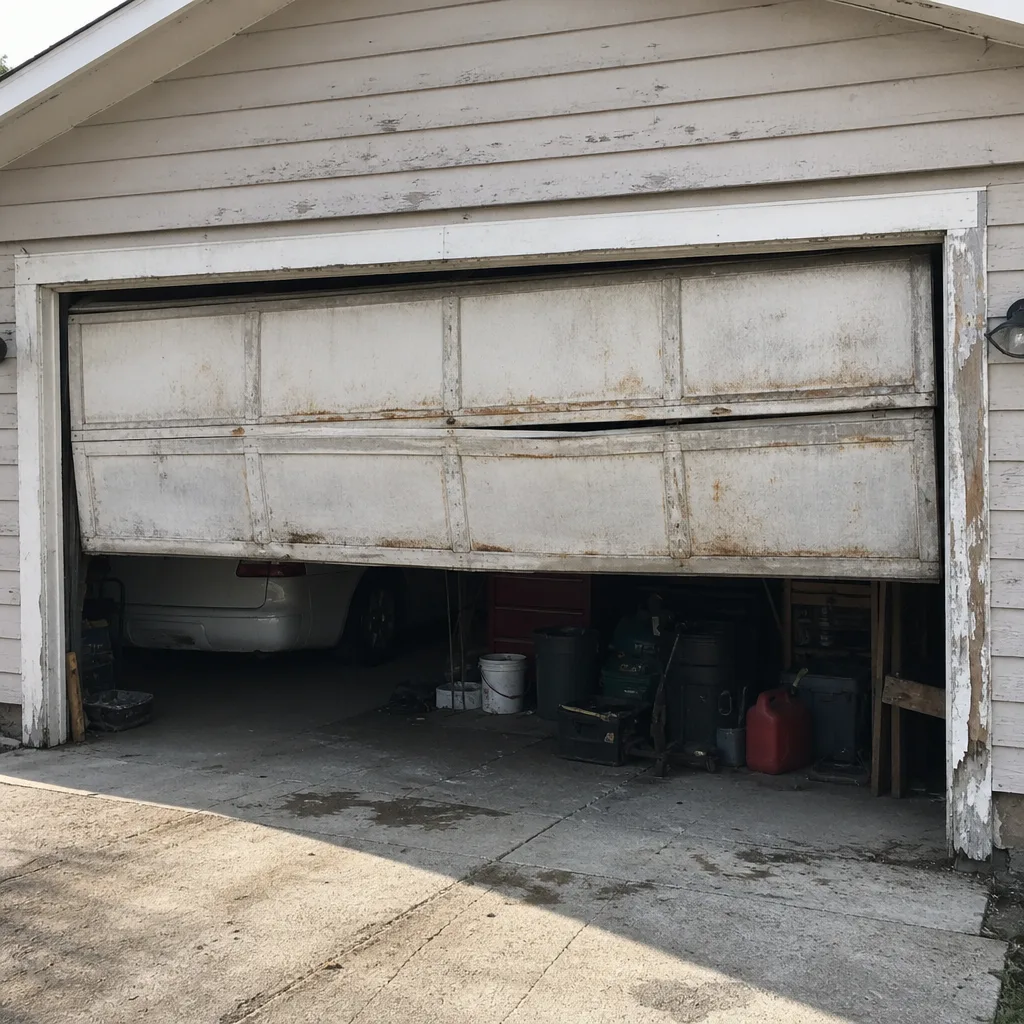
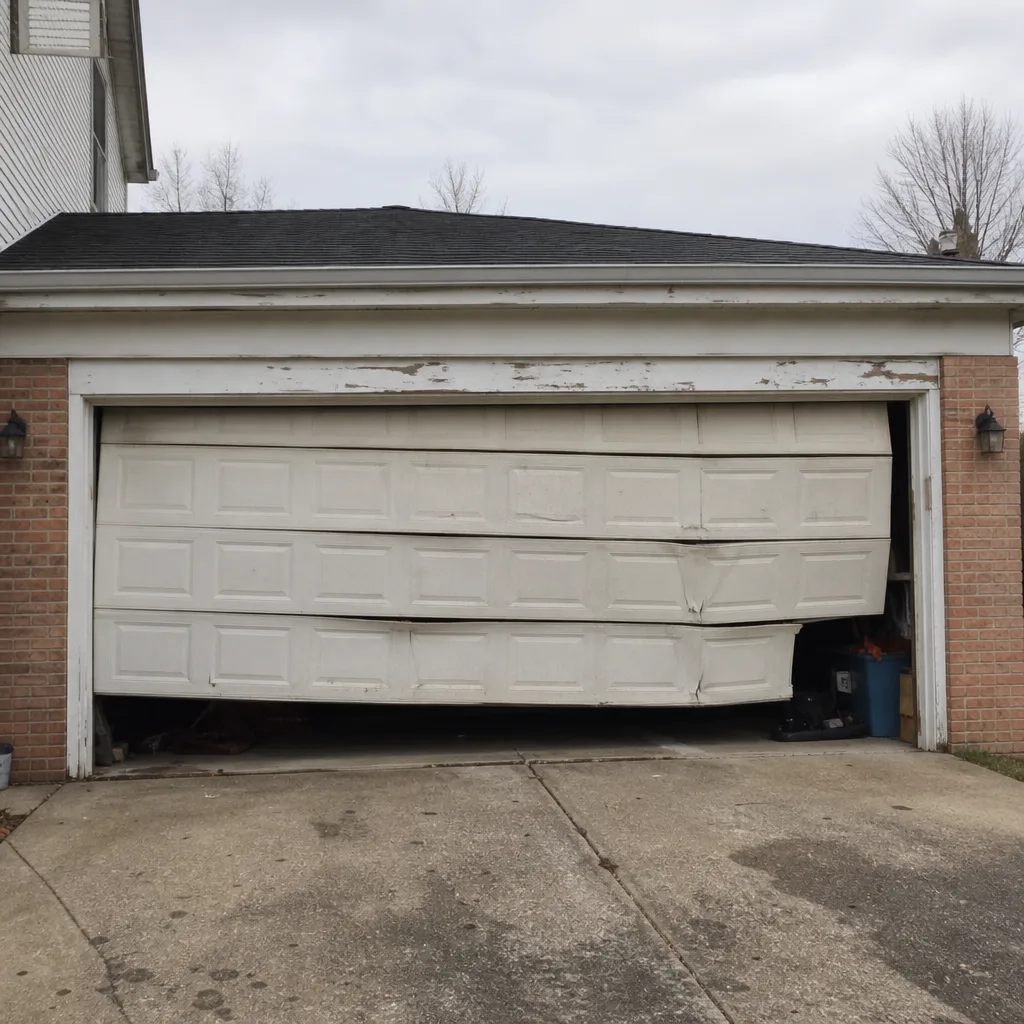
See the difference
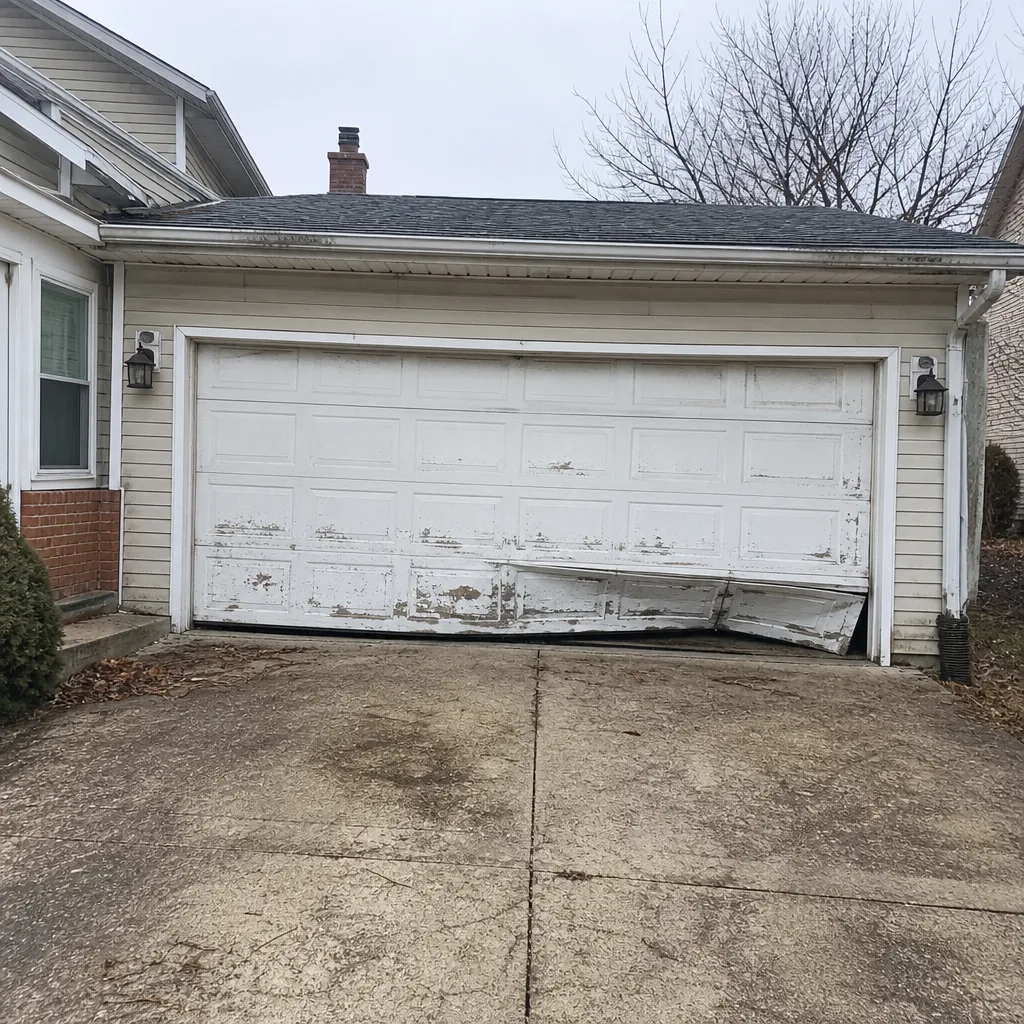 Before
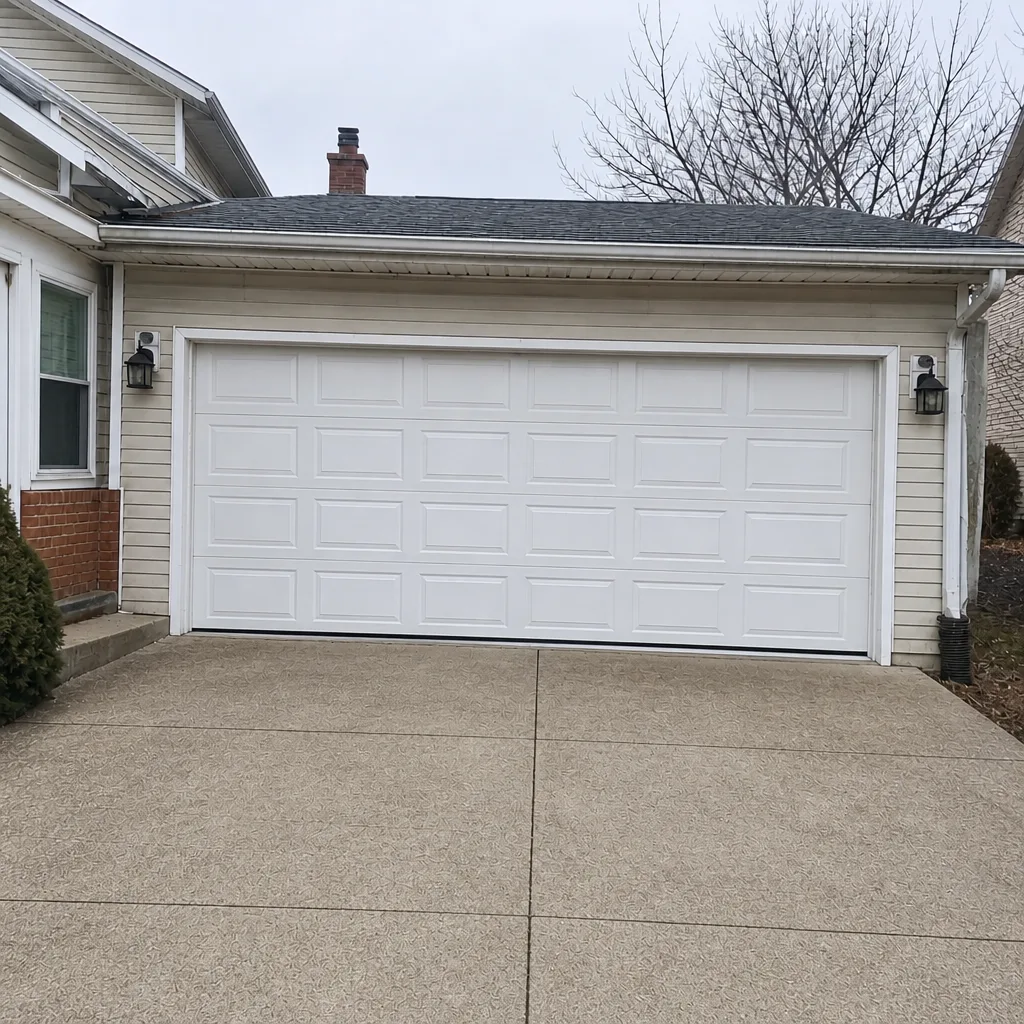 After
 Before
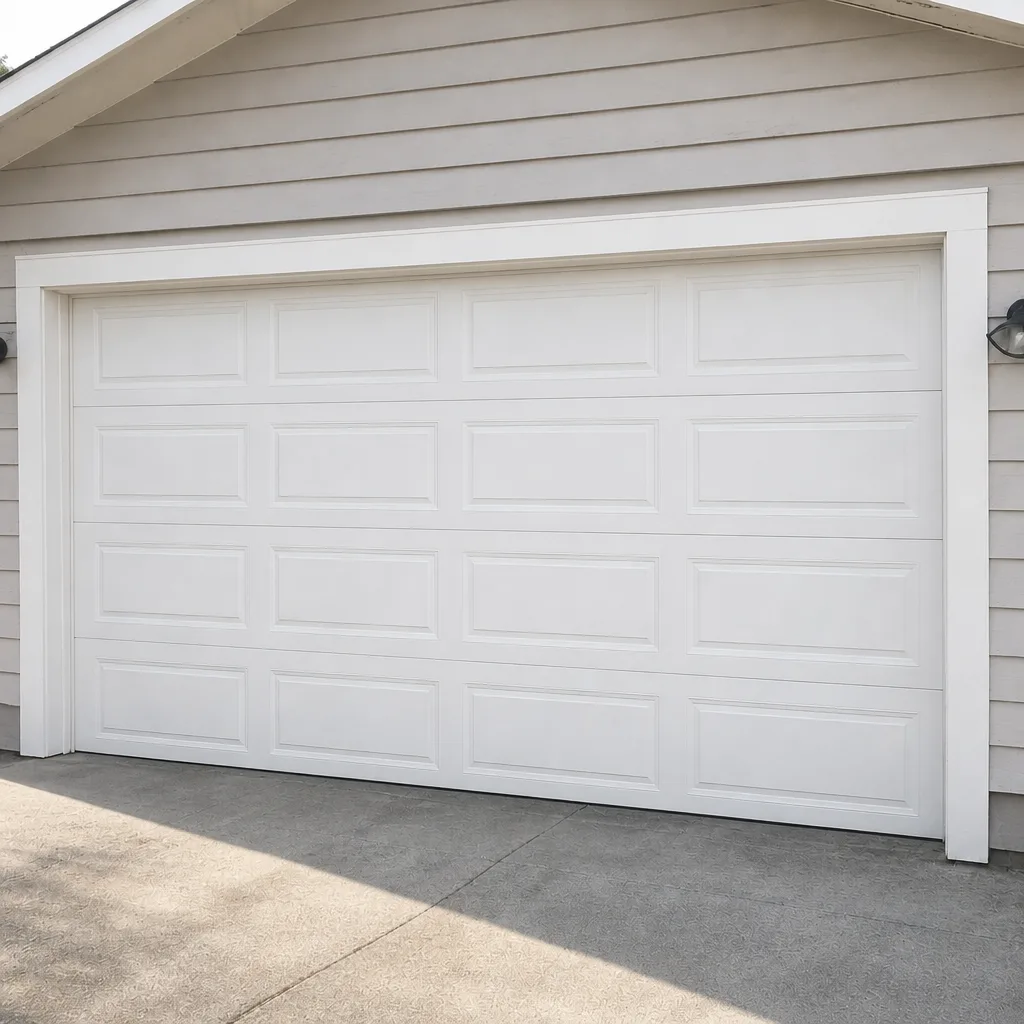 After
 Before
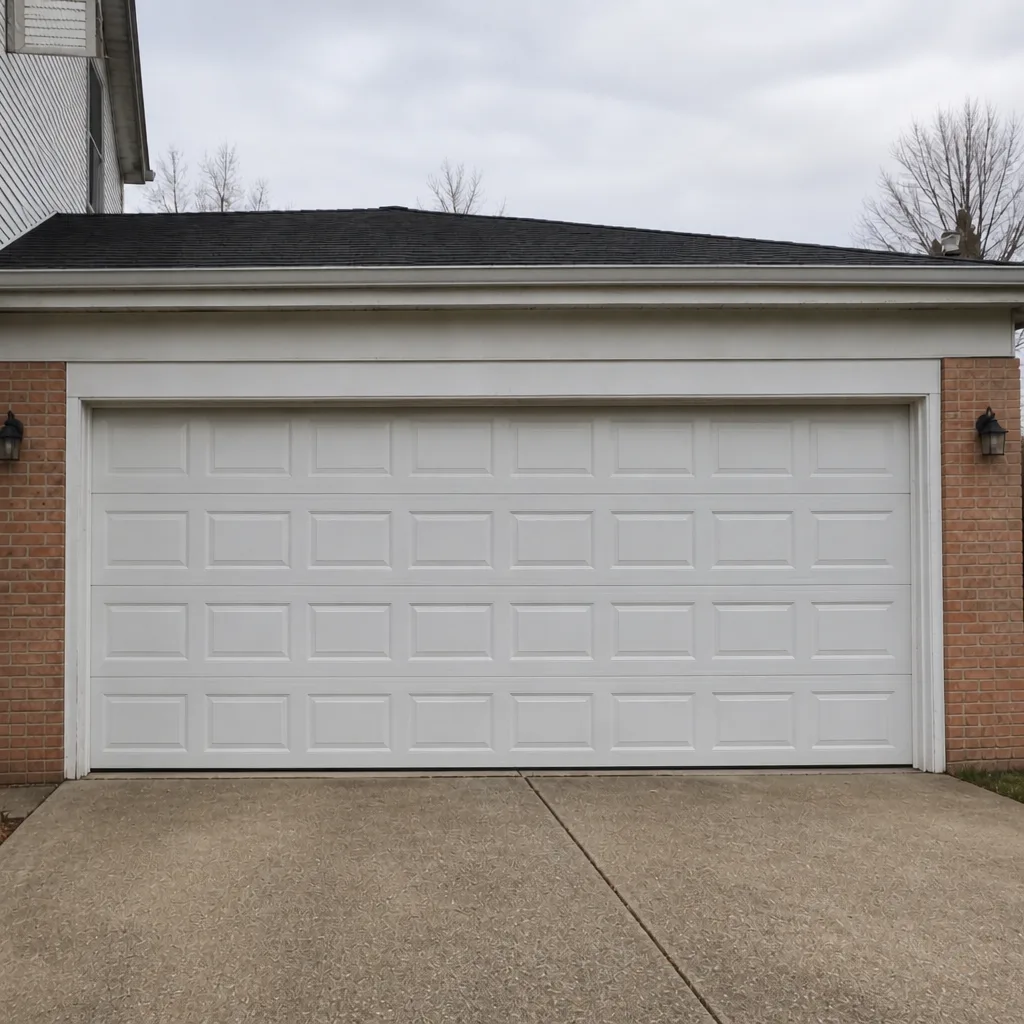 After
When to Call a Professional
Some brand decisions and some installations need a specialist rather than a generalist. Call a professional if you’re replacing a door on a garage with a tight header or unusual ceiling height, if you’re unsure whether your existing opener will handle a heavier insulated door, if the current door is unbalanced or has a broken spring, or if you’re choosing between brands and want straight answers on local parts reach and warranty claim handling. Garage door springs are under high tension and can cause serious injury if handled without training, so spring work belongs with a specialist rather than a do-it-yourself project. Aurora Garage Door Repair Pros offers free estimates in Aurora. Call (866) 947-9649 to talk through your specific door, opener, and brand options.
Frequently Asked Questions
The best brand for most Aurora homes is one with local service reach and a strong finish on the bottom section: Clopay, Amarr, and Wayne Dalton are the most reliable fits for most installations here, with Raynor and CHI as solid alternatives depending on model line. The brand matters less than confirming parts availability, insulation level for your garage’s use, and steel finish quality. Call (866) 947-9649 for an exact quote on your specific opening, and estimates are free.
Start with measuring the opening and confirming your opener’s capacity, then shortlist brands by local parts reach and finish quality before looking at color. Most buyers get better results deciding fit and service before style. Call (866) 947-9649 if you want to walk through the shortlist with a specialist.
Most major door brands, including Clopay, Amarr, Wayne Dalton, Raynor, and CHI, pair cleanly with LiftMaster and Chamberlain openers as long as the door’s weight is within the opener’s rated capacity and the limits are set for the new door. Compatibility is more about weight and balance than brand pairing. Call (866) 947-9649 to confirm your opener will handle the door you’re considering.
Yes if your garage is attached and shares a wall with living space, because an uninsulated door loses heat through that shared wall all winter. For a detached storage garage, insulation is optional and depends on how you use the space. Choose by use pattern, not just by climate zone. Call (866) 947-9649 to talk through what your garage actually needs.
Prices vary with material, insulation level, size, and opener compatibility, so the only reliable number is a written estimate for your specific opening. A professional measure and written quote matter more than any advertised range. Call (866) 947-9649 for a free estimate, and the written price you agree to is the price you pay before any work starts.
Installation timing depends on the door brand, model, and how quickly the manufacturer can deliver the specific size and color, so replacement is scheduled rather than immediate. Repairs to an existing door can often be handled faster. Call (866) 947-9649 to confirm current lead times for the brand you’re considering.
The Bottom Line
For an Aurora homeowner, brand choice should start with questions that don’t appear on any best-of list. Which brands can deliver a replacement bottom section quickly? Which finish survives our road-salted winters? Which model pairs cleanly with the opener you already own? Which warranty can you actually claim without a paper trail hunt? Answer those and you’ll end up with a door that lasts, regardless of which name is on the label. Springs, openers, panels, full installs: one call covers it all. We only do garage doors, which means we do them right, and your specific brand is our specialty. When you’re ready to narrow your shortlist, call (866) 947-9649 for a free estimate from a specialist who works with LiftMaster, Chamberlain, Genie, Craftsman, Clopay, Amarr, Wayne Dalton, and Raynor every day. Aurora Garage Door Repair Pros handles repairs, openers, springs, and full installations across Aurora. Our technicians have up to 9 years of experience.
Written by the team at Aurora Garage Door Repair Pros.