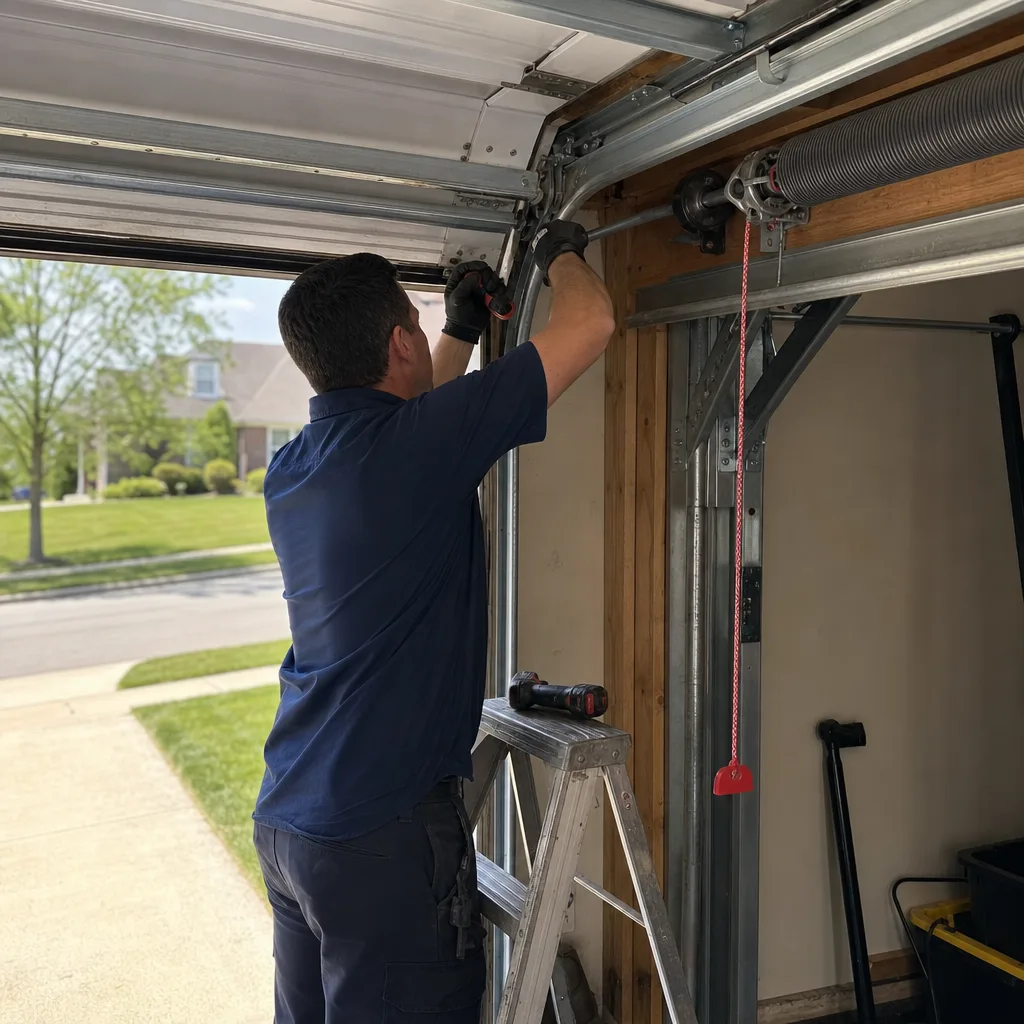
Last updated November 23, 2026
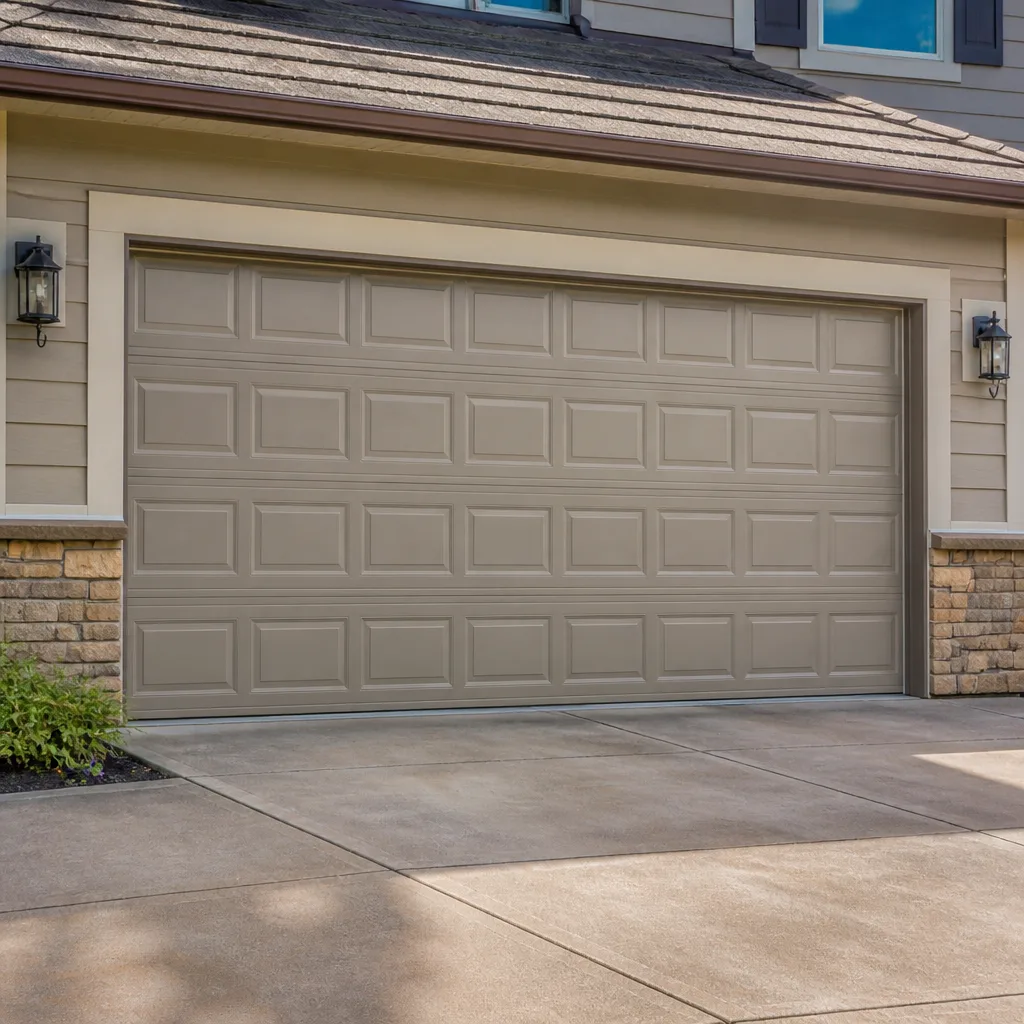 Raised-panel steel
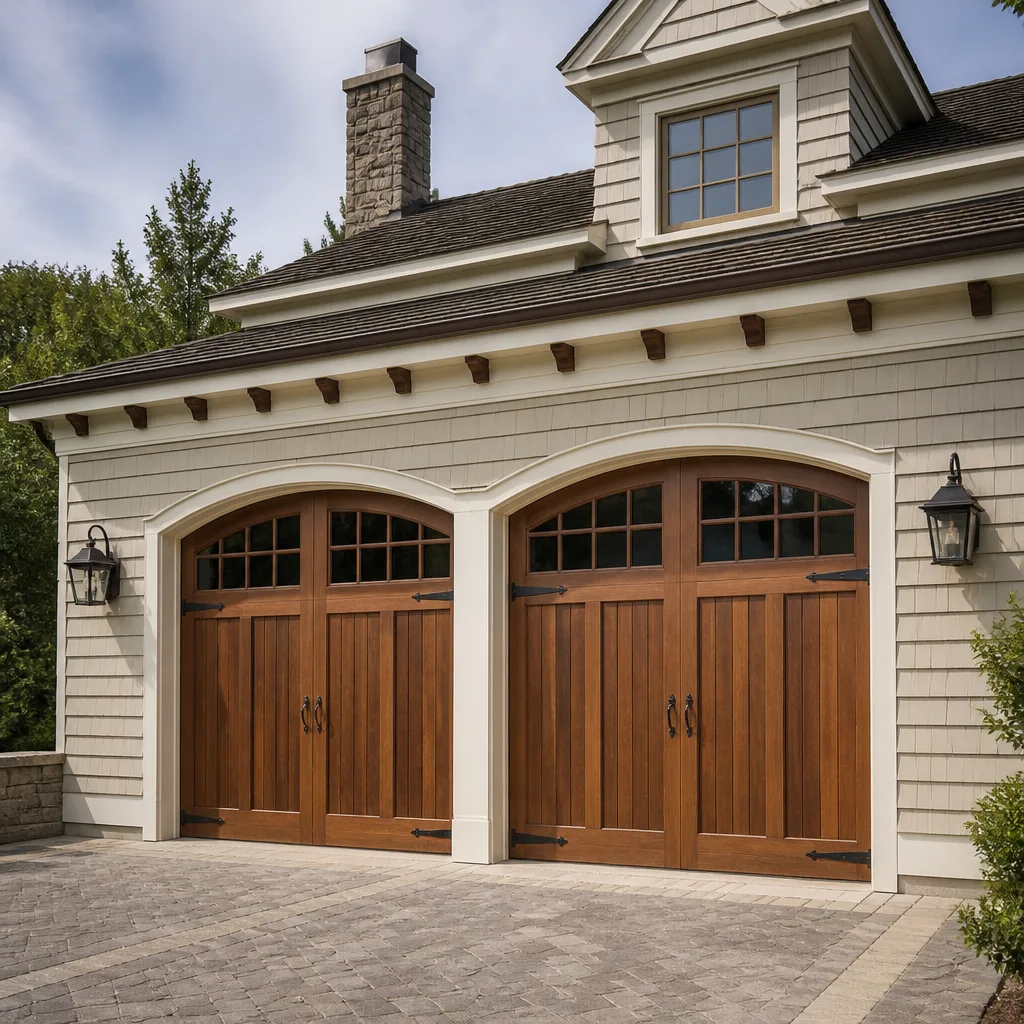 Carriage house
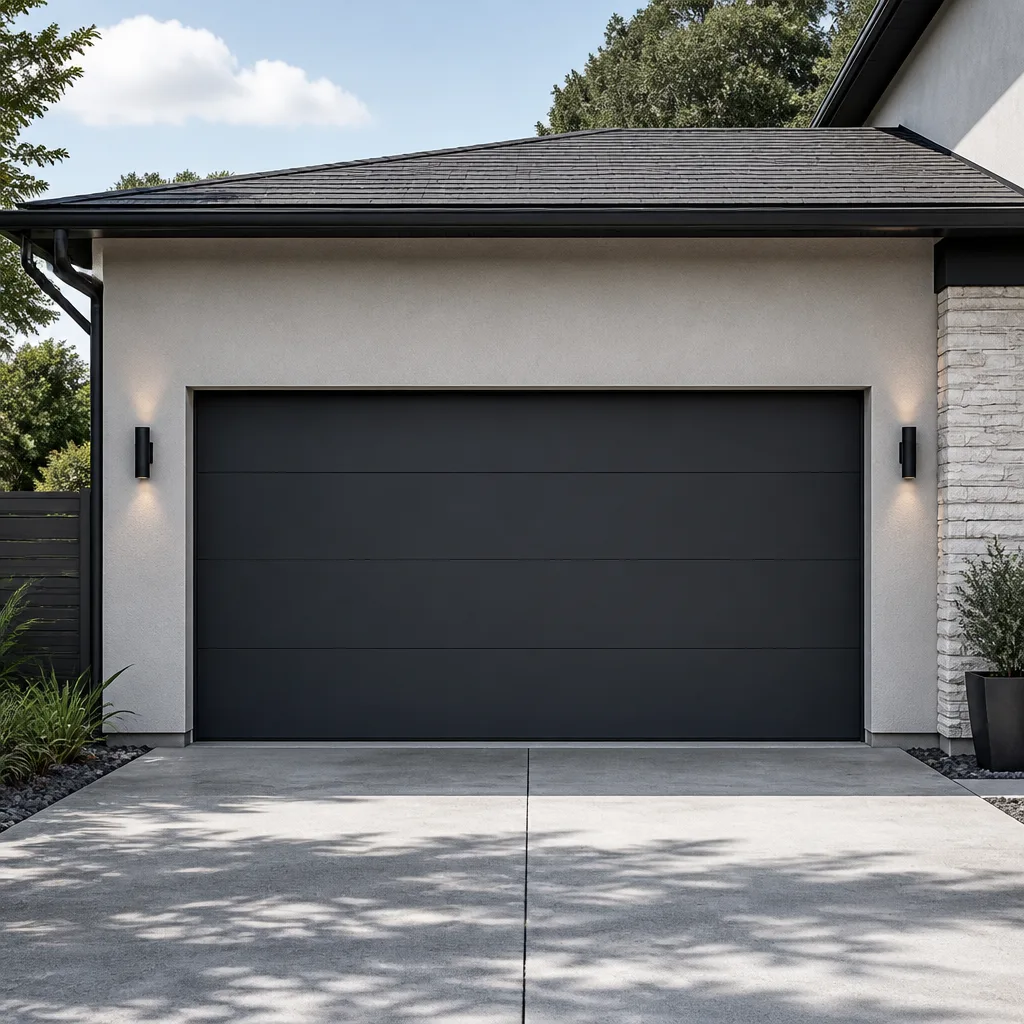 Modern flush
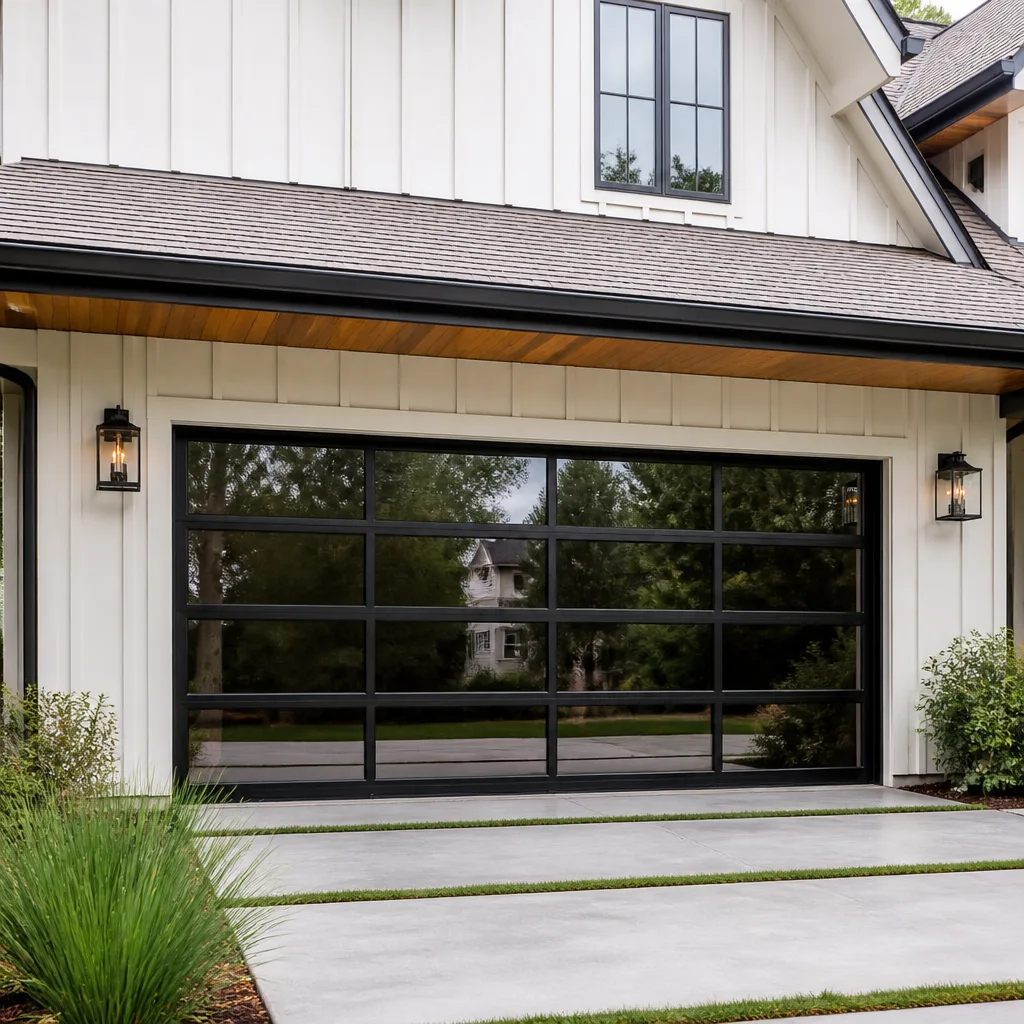 Full-view glass
 LiftMaster openers
 Chamberlain openers
Full 25-point door and opener safety check with every visit - springs, cables, rollers, tracks, and your LiftMaster or Chamberlain opener included
You get a price before we start. It does not change when the pro arrives.
Get your free estimateGarage Door Warning Signs: An Aurora Homeowner’s Reference Guide
A garage door that hesitates for half a second before reversing isn’t “sensitive.” It’s a door telling you the spring tension is off. And in Aurora winters, that half-second gets longer until the opener burns out or the spring breaks mid-cycle. Most warning sign guides describe failures you can’t miss – a door stuck at an angle, a snapped cable, a car trapped inside. This guide is about the signals that come first. The intermittent grind, the uneven gap at the floor, the reversal that only happens on cold mornings. In our experience across Aurora, these early clues are the ones homeowners rationalize away until something dangerous lets go. We’ll show you which sounds mean spring wear versus roller wear versus track misalignment, which visual cues predict a break before it happens, and which signs are watch-and-wait versus same-day. By the end you’ll know exactly what your door is telling you.
Quick Answer
The warning signs that matter most in Aurora are intermittent, not constant: a door that reverses before touching the floor, a grinding or popping sound that only appears on cold mornings, a bottom gap that’s uneven from one side to the other, and a torsion spring with visible gaps in its coils or rust bleeding at the ends. Any of these means the door needs a professional look before it fails. Treat a door that hesitates, reverses on its own, or hangs crooked as a same-day call, not a someday call.
Styles & brands we work with
- Raised-panel steel
- Carriage house
- Modern flush
- Full-view glass
- LiftMaster openers
- Chamberlain openers
Table of Contents
- What the Sounds Are Telling You
- Reading Your Torsion Springs Before They Break
- Why an Uneven Bottom Gap Is Structural
- Opener Behavior Changes and What Causes Them
- Watch-and-Wait vs. Same-Day: Sorting the Signs
- How Aurora Winters Accelerate Wear
- A Simple Monthly Inspection You Can Do
- What Diagnosis and Repair Typically Cost in Aurora
What the Sounds Are Telling You
Sound is the earliest diagnostic tool a garage door gives you, and the one homeowners dismiss fastest. The trick is that each worn component makes a different noise. If you can separate them, you know roughly what a technician will find before anyone touches the door.
Spring wear
A torsion spring under load makes a dull, low popping or creaking sound when it cycles – almost like a heavy metal groan. It usually appears as the door starts to move and fades as it finishes. A single loud snap followed by a slack, nonfunctional door means the spring has already broken. The popping beforehand is the warning.
Roller wear
Worn rollers produce a rhythmic rumble or squeal that repeats with the door’s travel – you’ll hear a tick, tick, tick timed to the hinges passing the track. It’s steady and high-pitched, louder near the top and bottom of the cycle, and it often gets quieter in warm weather because the rollers aren’t as stiff.
Track misalignment
A track that’s bent or out of alignment makes a scraping or binding noise, and it usually comes with visible movement: the door shudders in the same spot every time or the panel edge rubs the track on one side. You’ll often hear a bang when the door reaches the bend. That bang is the roller slamming through the obstruction.
Opener wear
Grinding from the unit overhead, or a motor that runs but doesn’t move the door, points to the opener’s internal gearing or drive system rather than the door. Chain-drive and belt-drive units sound different, and knowing your brand – LiftMaster and Genie in particular – narrows the diagnosis considerably. Brand-specific garage door opener repair is where most of these cases end up.
If you can match your door’s sound to one of these descriptions, you’ve already done the first step of diagnosis. Getting it to a specialist early is what keeps a small repair from becoming a spring failure.
Reading Your Torsion Springs Before They Break
Torsion springs fail predictably if you know what to look for. The spring is the horizontal coil mounted above the door on the shaft. It’s also the highest-risk component on the entire system, storing enough energy to do serious damage when it releases – which is why we never recommend touching one yourself. A trained technician reads a spring the way a mechanic reads a worn tire. Here’s what they check.
Visual cues that predict failure
- Visible gaps in the coils. A spring with a stretched gap between coils has lost some of its tension and is closer to breaking than a coil that sits evenly wound from end to end.
- Rust streaks at the ends. Rust bleeds from the anchor points where the spring’s metal fatigues. Orange staining near either end means the steel is thinning.
- A bent or twisted spring cone. The metal cone that holds the spring to the shaft should be straight. A warped cone points to overload or uneven tension.
- Stretched or loose lift cables. Slack cables on one or both sides usually mean uneven spring tension is allowing the door to sag on that side.
- A door that “walks up” unevenly. If you stand back and the door rises higher on one side, the spring on the low side is weaker.
Springs on a typical Aurora door are rated in cycles – the number of open-close movements before the spring is designed to give out. A door used four times a day burns through that rating faster than a door used twice. The visual cues above matter because they show you the spring’s remaining life before the cycle count runs out.
Why this is a technician’s job, not a homeowner’s
A torsion spring under full load is a dangerous piece of hardware. The tension is enormous, and an unloaded spring can release violently. Never attempt to test, adjust, or remove one. What you can do is look, listen, and call. Our garage door spring repair work is done by technicians who have up to 9 years of experience with the exact tension settings each door requires.
Why an Uneven Bottom Gap Is Structural
When the bottom of your door doesn’t sit evenly with the floor, most homeowners reach for a weatherstripping fix. That’s almost always the wrong instinct. An asymmetrical gap – larger on one side than the other – signals that the door is out of balance, not that the seal is worn. The weatherstripping is doing its job; the door frame around it is the problem.
What an uneven gap actually means
- One spring is weaker than the other. On a two-spring door, the weaker spring lets its side sag lower, tilting the door and opening a wedge-shaped gap at the floor.
- The track on one side is out of alignment. Bent or shifted vertical track drags one side of the door down and away from the floor.
- The door is off its hinges. A broken or worn hinge on one side lets that corner drop, which shows as a gap that runs wider at one edge.
- The cables are out of synch. Uneven tension between the two lift cables pulls one side of the door higher than the other.
Each of these is a balance problem. A door that isn’t balanced puts added load on the opener, the hinges, and the springs, and it wears all of them faster. A gap that used to be even and is now uneven is also the fastest way to spot a balance problem before it becomes a failure.
How to check without overdoing it
- Close the door fully and stand in front of it.
- Look at the bottom edge from left to right where it meets the floor. A gap that’s the same width on both sides is a seal issue. A gap that’s wider on one side is structural.
- With the door closed and the opener disengaged, look at the space between the door and each vertical track. It should be even on both sides. A visibly wider gap on one side means a track or alignment problem.
- Never try to correct an unbalanced door yourself – adjusting one side can overload the other spring or drop the door. Note what you see and call a technician.
In Aurora, this check matters most in late fall. Doors that sat fine through the summer often reveal an uneven gap once the cold sets in and the springs stiffen. Catch it then and you avoid the mid-January failure.
Opener Behavior Changes and What Causes Them
Your opener is the component that reacts first to any door problem, because it’s the one pushing against the resistance. A change in the way your opener behaves is often the earliest clue the door itself is struggling – and it’s easy to miss, because the opener is overhead and out of sight.
Hesitation before reversing
A door that pauses a beat before reversing when it meets an obstruction, or reverses at random mid-travel, is the classic sign that spring tension has drifted and the opener is compensating. The safety reverse should be immediate and consistent. Any delay means the balance is off, and it wears the opener’s internal gearing every cycle.
Short reverses
A door that closes a foot then reverses on its own is usually reacting to a misaligned safety sensor, or to a force setting that’s been triggered by extra resistance in the tracks. The door is telling you something in the travel path is creating drag.
Grinding or groaning from the unit
If the noise comes from the motor housing rather than the door itself, the cause is inside the opener. Stripped gears, a worn drive chain, or a failing capacitor all produce that distinct metal-on-metal grind. Genie and LiftMaster units have different internal layouts, and knowing the model tells a technician what to expect before opening the housing.
Opener runs but the door doesn’t move
When the motor hums but the door stays put, the motor is fine and the connection between motor and door has failed. The most common causes are a broken spring (the opener can’t lift the door alone), a snapped cable, or the emergency release having been pulled and not reset. This is the one where the opener is often wrongly blamed – it’s doing what it can, but the door’s weight has become too much for it.
Remotes and app control stop working
If the wall button works but the remotes and smart-home app don’t, the issue is usually the receiver, the remote’s battery, or the programming itself. Modern LiftMaster and Chamberlain systems pair with smart-home platforms, and a re-pairing fault can look like a dead opener when the opener’s fine. This is a diagnostic problem, not a replacement problem – worth a look from someone familiar with the specific system, in our experience.
Watch-and-Wait vs. Same-Day: Sorting the Signs
Not every warning sign is a crisis. Some are “note it and keep an eye on it,” and some are “don’t use the door until it’s been checked.” Getting this distinction right is what separates a cheap repair from a dangerous one. Here’s how we sort them in Aurora.
Watch-and-wait signs
- A slow, rhythmic squeak that responds to lubrication and doesn’t affect operation.
- A remotes-only issue where the wall button still works.
- A single worn roller that ticks on every cycle but doesn’t affect the door’s balance or travel.
- Faded or stiff weatherstripping that doesn’t leave an uneven gap.
These don’t mean the door is about to fail, but they’re still worth a professional look at your next scheduled service.
Same-day signs
- Any reversal or hesitation before the door reaches the floor. This is a safety issue.
- A door that hangs visibly crooked or has an uneven bottom gap.
- A snapping or popping sound from the springs.
- A door that comes off its tracks, or a leaf that catches on a bent track.
- A door that drops faster than normal or free-falls on the last few inches.
- Any suspicion of a broken spring or cable, even if the door still moves.
Same-day doesn’t mean we’ll send someone out at 2am. It means the door is telling you something serious enough that using it normally until a scheduled appointment isn’t safe. Our emergency garage door repair exists for exactly these situations – a door that won’t close, a door that’s jammed, a door that’s come off its tracks and can’t be left open. When the door won’t move, we do.
How Aurora Winters Accelerate Wear
Garage doors in Aurora live through a real winter. Sub-zero snaps, ice that builds in the door’s base, and freeze-thaw cycles through the hinge points all put more load on every spring, cable, and roller than the same door in a mild climate would see. That changes what a normal warning sign means here.
What cold does to each component
- Springs. Steel contracts and stiffens in cold, so the spring has to work harder to lift the same weight. A spring with visual cues in October is far more likely to break by February.
- Cables. Cables stretch under cold load and can develop ice incursion at their anchor points. A cable that looks slightly slack is one freeze cycle from snapping.
- Rollers. Rollers stiffen and their bearings lose their grease, which is why a door that’s quiet in summer grinds through the winter. The rhythmic tick we described earlier is louder in January and February.
- Seals and frames. Ice under the door holds it slightly open on the last inch and makes the opener work against a frozen seal. This wears the opener’s force settings and can trip the reverse sensor.
What to do before winter hits in Aurora
- Have the door checked once before the first hard freeze – September or October.
- Confirm the balance: with the opener disengaged, the door should lift easily halfway and hold there on its own.
- Note any sound that only appears on cold mornings. A door that grinds in January but not June is showing a component that’s near its limit.
- Clear the bottom seal and track of any debris before the first hard freeze, so the door can close fully against the floor without ice buildup.
Every one of these small steps reduces the load on a system that’s already working hard in an Aurora winter. They also make the difference between a spring that survives to spring and one that snaps the first week it gets cold.
A Simple Monthly Inspection You Can Do
You don’t need tools or training to catch the early warning signs. You need about ten minutes once a month, and the discipline to notice what’s changed.
Step-by-step
- Watch the door travel. Close and open it slowly and watch the bottom edge from the side. Look for hesitation, jerks, or one side rising higher than the other.
- Listen. Separate the sound: does it come from the door panels, the tracks, or the unit overhead? Use the sound descriptions earlier in this guide to categorize it.
- Check the balance. With the opener disengaged, lift the door to the halfway point and let go. It should hold roughly in place. If it falls, or rises on its own, the spring tension is off.
- Look at the bottom gap. Close the door and compare the gap on both sides. Uneven means structural, not a seal problem.
- Check the springs for visible cues. Look for gaps between coils, rust streaks at the ends, and a straight spring cone. Don’t touch – just look.
- Test the reverse. Place an object on the floor and close the door. It should reverse immediately. Any delay is a sign the balance or force settings are off.
- Check the remotes and wall button. If one works and the other doesn’t, note it – it’s a control problem, not a door problem.
That’s the whole inspection. If any of these steps show something wrong, write down what you saw and where. A technician can tell a lot from a homeowner’s notes. We’ve long said it: an early call is a cheap call, and a late one is an emergency. When in doubt, a free estimate costs nothing.
What a professional inspection adds
A trained technician brings two things you can’t do at home: a look at the load on every component under tension, and brand-specific knowledge. Clopay and Amarr doors, for example, have different hinge and track tolerances from a Wayne Dalton. Knowing your door’s make and model lets a technician apply the right settings from the start. That’s why our technicians are trained to work with the specific components each of these manufacturers uses.
What Diagnosis and Repair Typically Cost in Aurora
Most Aurora homeowners want to know two things before they call: what’s wrong, and what it’ll cost to fix. Here are typical ranges for the most common repairs. These are estimates, not quotes – the price you’re given on a written estimate is the price you pay. Calls for a diagnostic visit are free, and the price is agreed before any work begins.
| Service | Typical Estimated Range | Notes |
|---|---|---|
| Diagnostic / service call | Free estimate | Upfront price quoted and agreed before work starts |
| Single torsion spring replacement | $180-$340 per spring | For one spring. Matched pairs are replaced together, so a pair is about double |
| Roller and hinge replacement | $100-$250 | Common after winter grinding |
| Track alignment / straightening | $100-$200 | Corrects an uneven bottom gap and binding |
| Opener repair | $150-$350 | Brand-specific; Genie, LiftMaster and others |
| Opener replacement | $300-$650 | Depends on drive type and smart-home features |
| Cable replacement | $150-$300 | Often paired with spring work |
The range reflects what a typical repair in Aurora’s market costs. Once you have a written estimate from us, that’s the price – no surprises after the fact. For a full set of prices on every service, see our guide to garage door repair in Aurora. If you’d rather ask directly, call and we’ll walk through it with you.
Worth knowing: the reason a matched pair of springs costs about twice as much as one is that both are usually replaced at once. If one spring is showing visual cues, the other is generally the same age and under the same load, so replacing them together prevents a second visit. It also keeps the door balanced, which protects your opener.
Common Mistakes to Avoid
- Treating an uneven gap as a weatherstripping problem. The seal is doing its job; the door’s balance is not. Replacing weatherstripping on an unbalanced door hides the symptom and leaves the real problem to grow.
- Assuming a hesitating door is “sensitive.” A door that pauses before reversing has a tension problem. The pause will get longer in the cold, and the load it puts on the opener will eventually burn out the gearing.
- Blaming the opener when the door won’t move. If the motor hums but the door doesn’t lift, the opener is fine. Nine times out of ten a broken spring or snapped cable is the cause.
- Trying to adjust a torsion spring or cable yourself. These are under immense tension and can release with enough force to cause serious injury. Never do more than look.
- Waiting through a full Aurora winter on a spring that’s already creaking. Cold stiffens the steel and loads the spring every cycle. A creak in October is a break by February if you leave it.
- Replacing the whole door when the problem is a roller or a hinge. A specialist diagnosis often finds a $100-$250 fix where the homeowner expected a full replacement. Get a look before committing to a new door.
- Ignoring a single scrape in the same spot on every cycle. A binding track can bend the door panel or snap a hinge. Catch it early and it’s a straightening job; ignore it and it’s a panel or door replacement.
See the difference
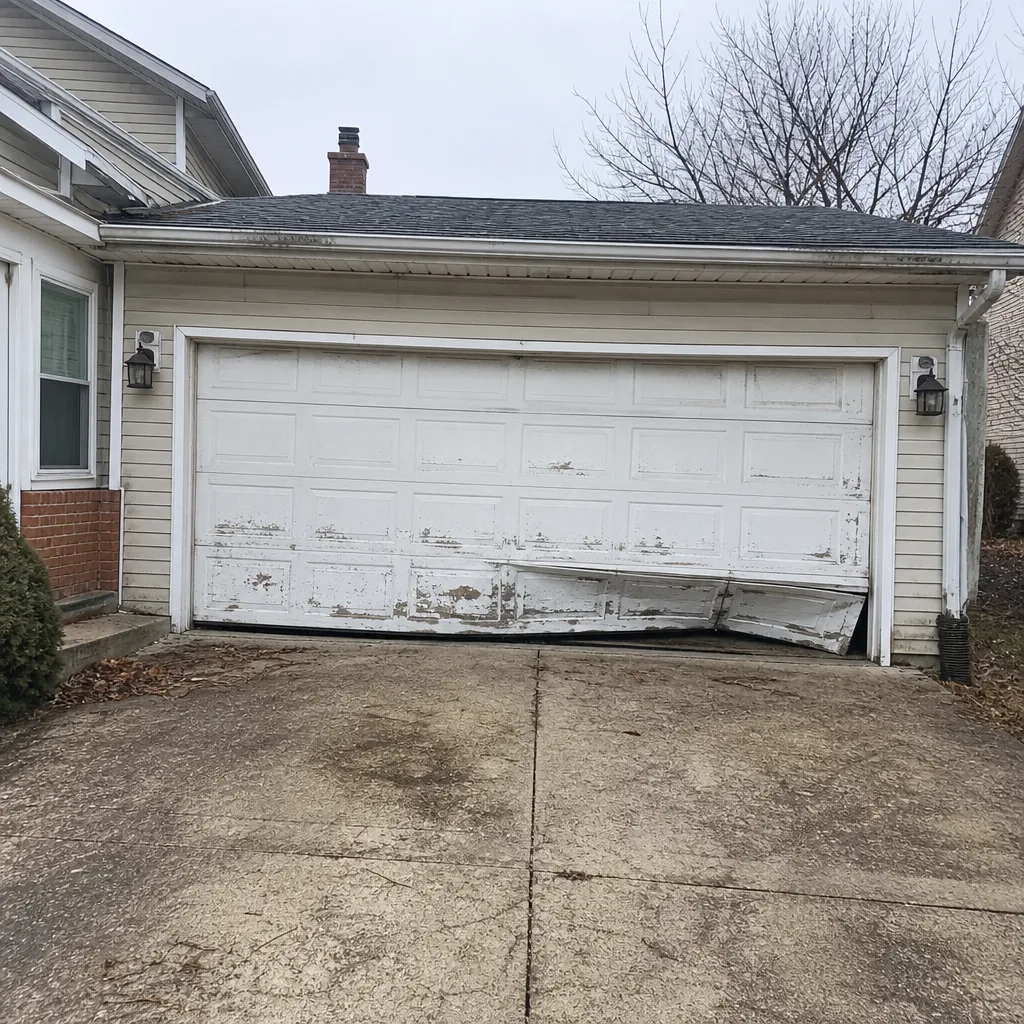 Before
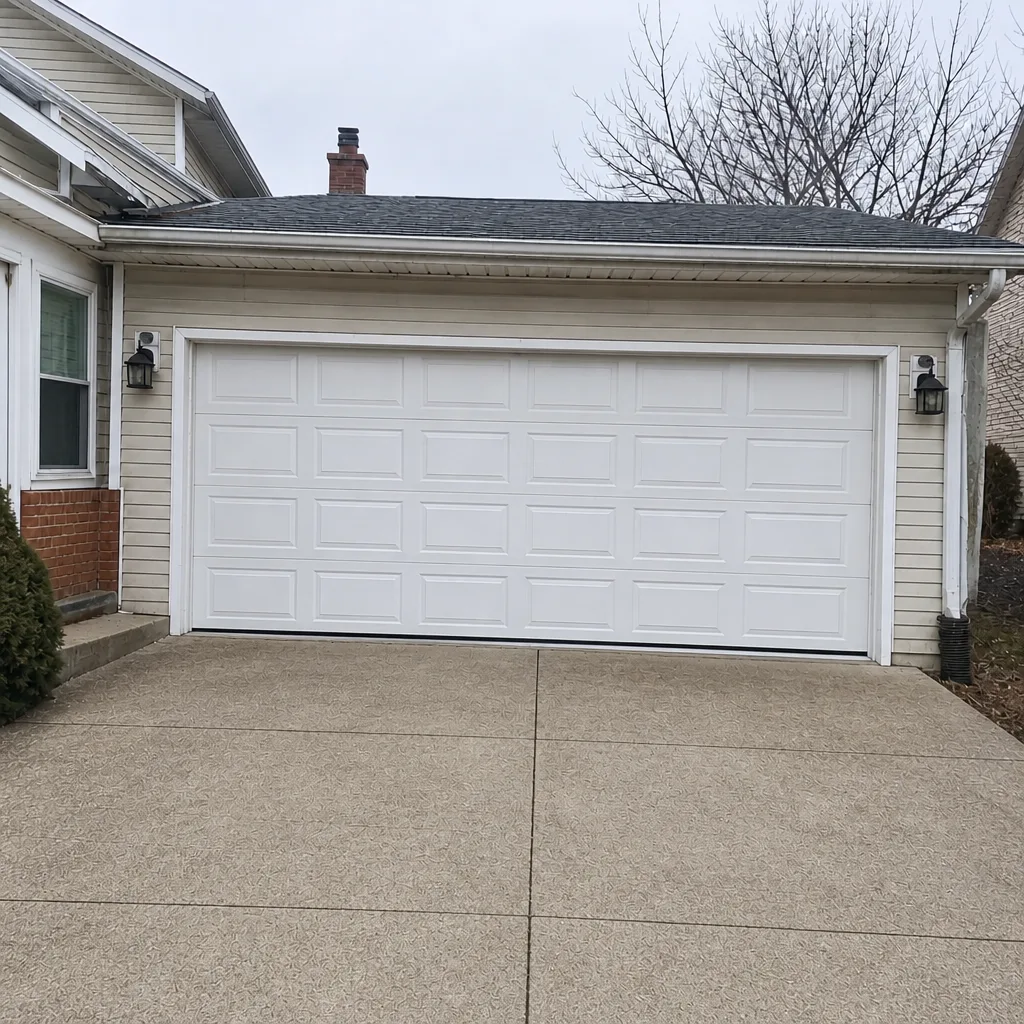 After
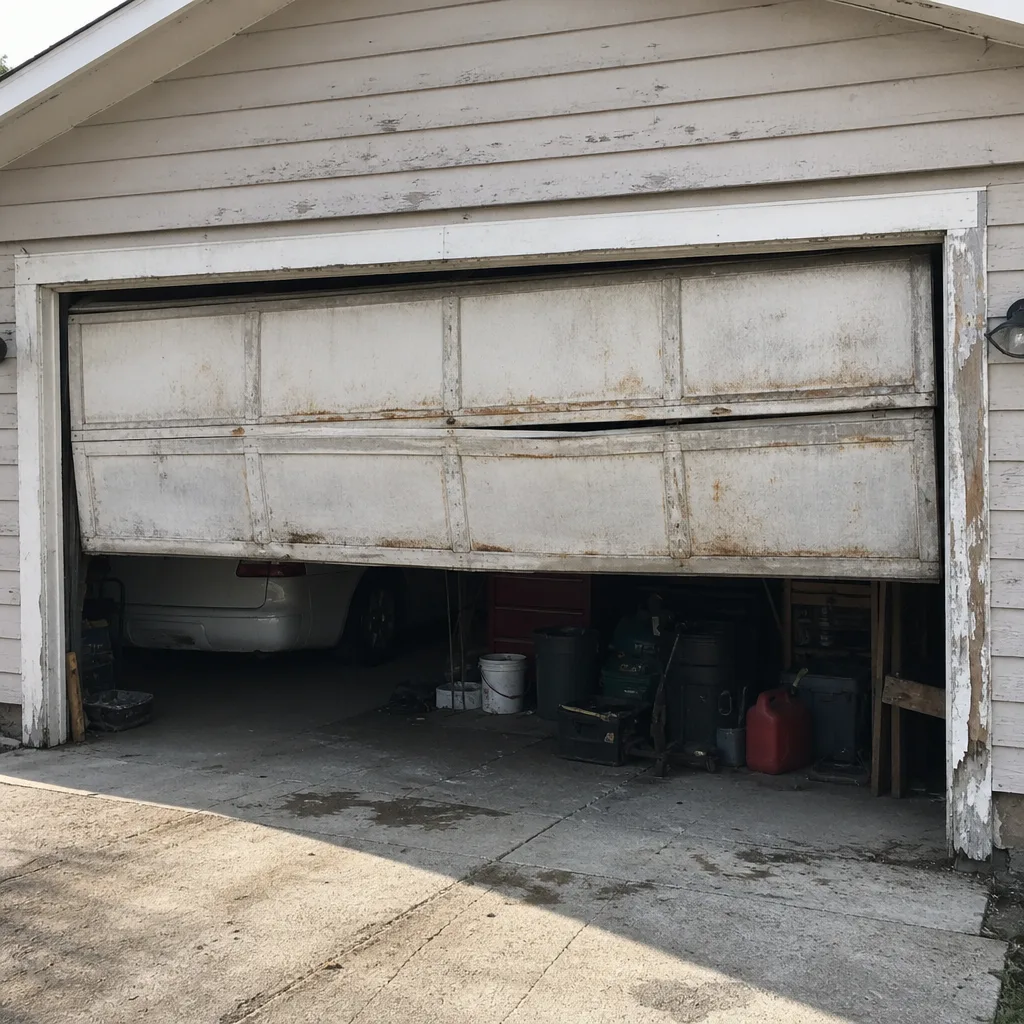 Before
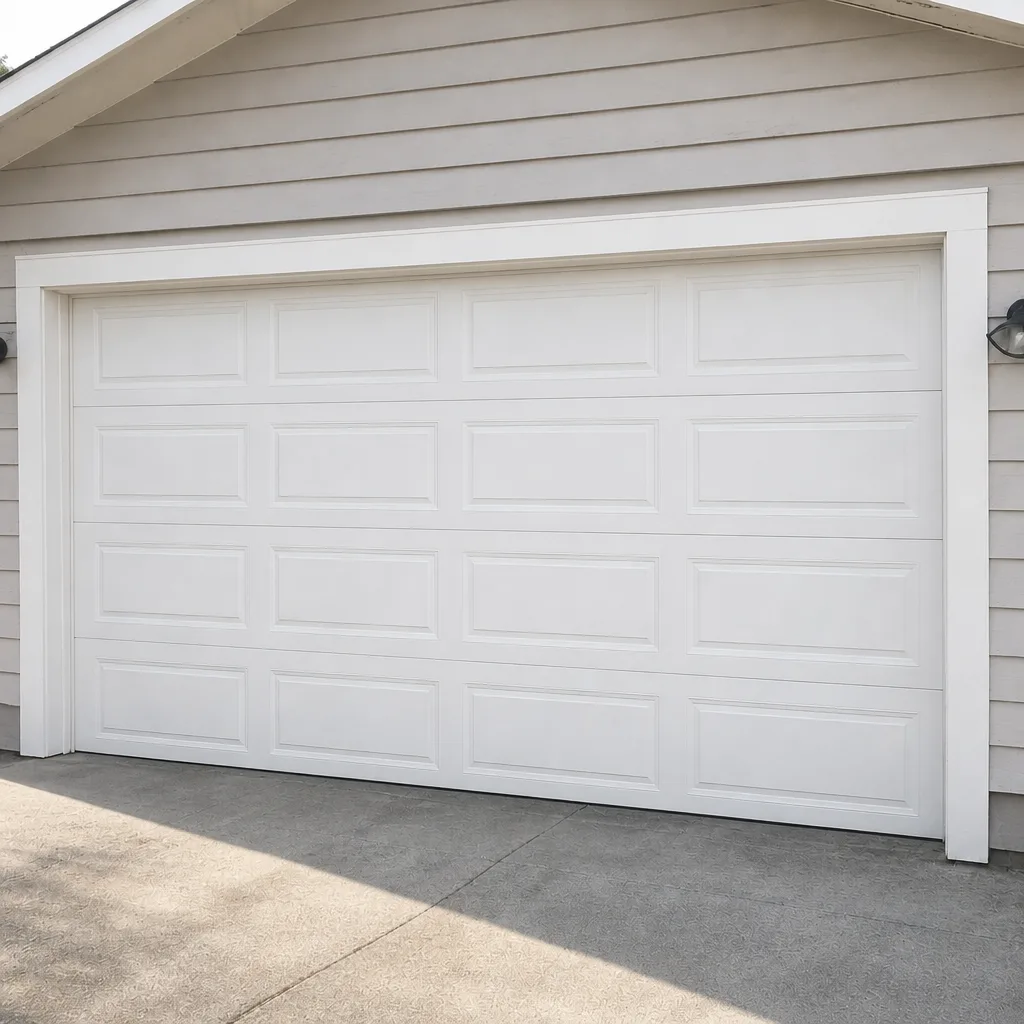 After
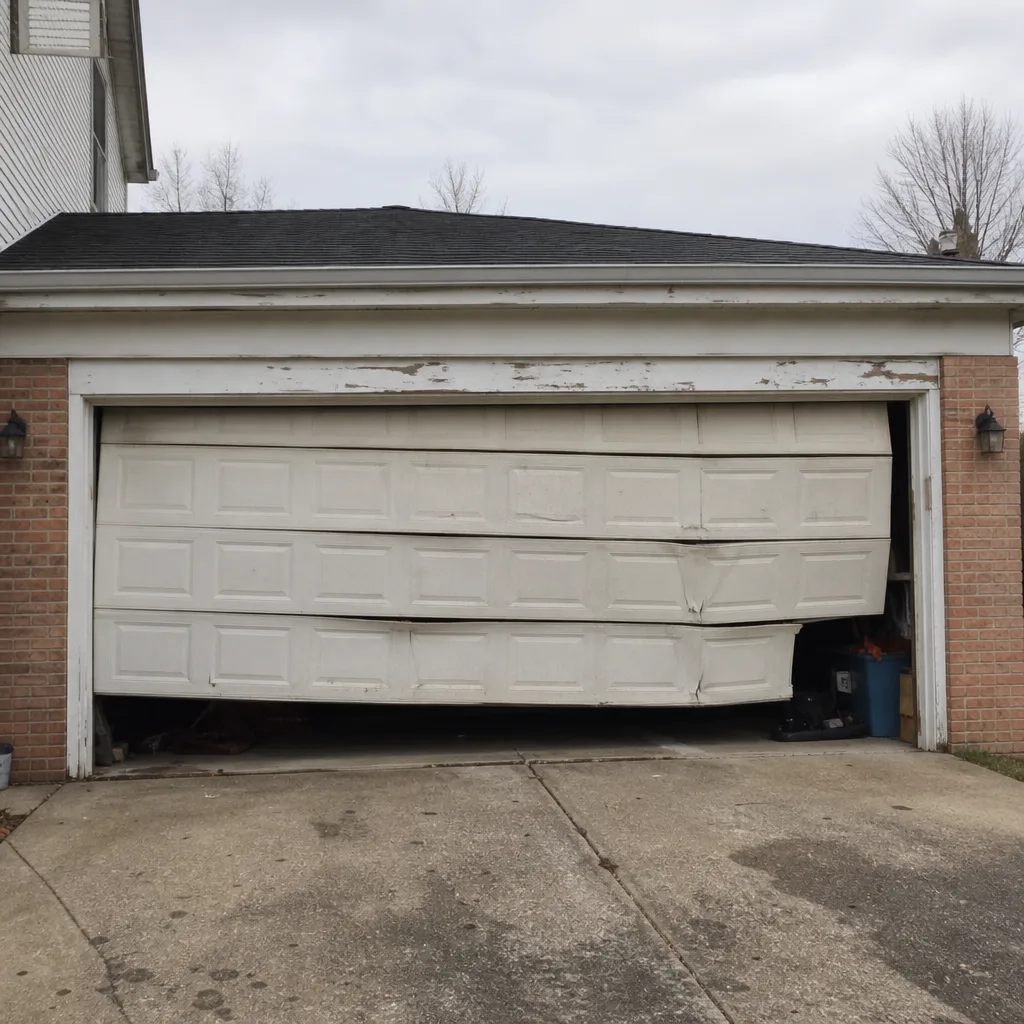 Before
 After
When to Call a Professional
Call a professional when the warning sign involves any spring, cable, or balance issue – these are the components with enough stored energy to hurt someone, and they’re never a home adjustment. Call if the door hesitates, reverses on its own, hangs crooked, or has an uneven bottom gap. Call if you hear a popping or snapping from the springs, or if the door comes off the tracks. And call before winter, if you’ve noticed any intermittent noise that only shows up on cold mornings. Those are exactly the cases our emergency garage door repair is built for. Aurora Garage Door Repair Pros offers free estimates in Aurora – call (866) 947-9649.
Frequently Asked Questions
The earliest sign is usually a dull popping or creaking sound when the door cycles, often followed by a visible gap between spring coils or rust streaks at the spring’s ends. These cues mean the spring is losing tension before it actually breaks, which is why they’re worth acting on. Call (866) 947-9649 for an exact quote – estimates are free.
Yes. A door that reverses before it reaches the floor, or hesitates before reversing, has a spring tension or force-setting problem, and using it normally puts added load on the opener. It’s a same-day issue because the next failure could be a snapped spring. Call (866) 947-9649 for an exact quote – estimates are free.
Usually both should be replaced together, because a matched pair is the same age and under the same load, so replacing one leaves the other close to failing too. A single spring replacement is the option if the second was recently replaced – an honest assessment of both is part of any proper diagnosis. Call (866) 947-9649 for an exact quote – estimates are free.
Most emergency fixes in Aurora fall in the ranges listed in the cost section, with spring work at $180-$340 per spring and common repairs under $350. The written estimate you’re given sets the final price, and the diagnostic visit is a free estimate. Call (866) 947-9649 for an exact quote – estimates are free.
No. The written estimate is the price. If we quote you a repair, we agree it with you before any work starts, and the figure on that estimate is what you’ll pay. Call (866) 947-9649 for an exact quote – estimates are free.
The local professional we connect you with is licensed and insured as the state requires for the work they perform. We only send technicians who are trained to service spring, opener, and door systems correctly, and our team has up to 9 years of experience across the major brands. Call (866) 947-9649 for an exact quote – estimates are free.
Yes, we offer same-day emergency garage door service for doors that won’t open or close, come off their tracks, or leave a gap nobody wants overnight. A door that won’t move is exactly what our emergency service exists for. Call (866) 947-9649 for an exact quote – estimates are free.
Yes. We service a wide range of major brands including Clopay, Amarr, Wayne Dalton, Genie, LiftMaster, Chamberlain, Craftsman, and Raynor, so brand-specific parts and diagnostics are handled directly. Knowing your door’s make and model means the right tension, parts, and settings from the start. Call (866) 947-9649 for an exact quote – estimates are free.
The Bottom Line
The warning signs that matter most are the ones you can’t easily see: the half-second delay, the sound that only appears on cold mornings, the uneven gap that used to be level. These are the clues a failing spring or misaligned door gives you before it fails hard. If you take nothing else from this guide, know which signs are watch-and-wait and which are same-day – a hesitation, an uneven gap, a popping sound, a door that hangs crooked, or any suspicion of spring or cable damage belong in the same-day category. In Aurora, doing that monthly ten-minute inspection is what keeps a small repair from becoming an emergency. Our technicians have up to 9 years of experience across all the major brands, and we only do garage doors – which means we do them right. If something feels off with your door, call.
We’ve kept this guide focused on what actually shows up in Aurora homes: the winter-driven spring failures, the opener versus door confusion, the slow uneven gap that hides a balance problem. We work with LiftMaster, Genie, Clopay, Amarr, Wayne Dalton, Chamberlain, Craftsman, and Raynor components, and we’d rather diagnose the right problem than sell you the wrong fix. For any sign that worries you, get a specialist’s eyes on it before it gets worse. If you’re unsure what you’re hearing or seeing, our team is happy to talk it through and give you an upfront written price before any work starts.
Call (866) 947-9649 for a free estimate. We’ll help you understand your door, find the exact cause, and get it back in service today – whether that’s a spring, an opener, a panel, or a full installation. Springs, openers, panels, full installs – one call covers it all. Your specific brand, our specialty. We’re ready when you are. When the door won’t move, we do.
Written by the team at Aurora Garage Door Repair Pros.