Last updated November 23, 2026
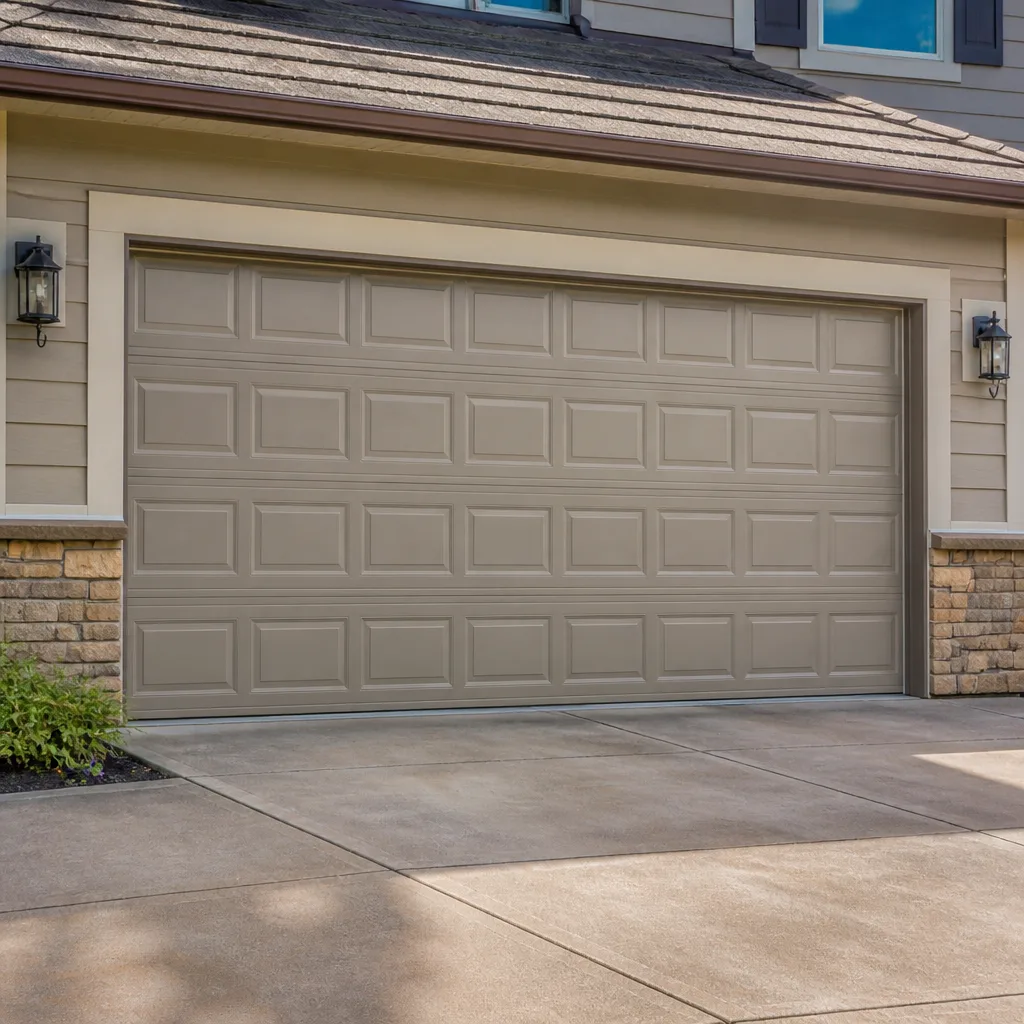 Raised-panel steel
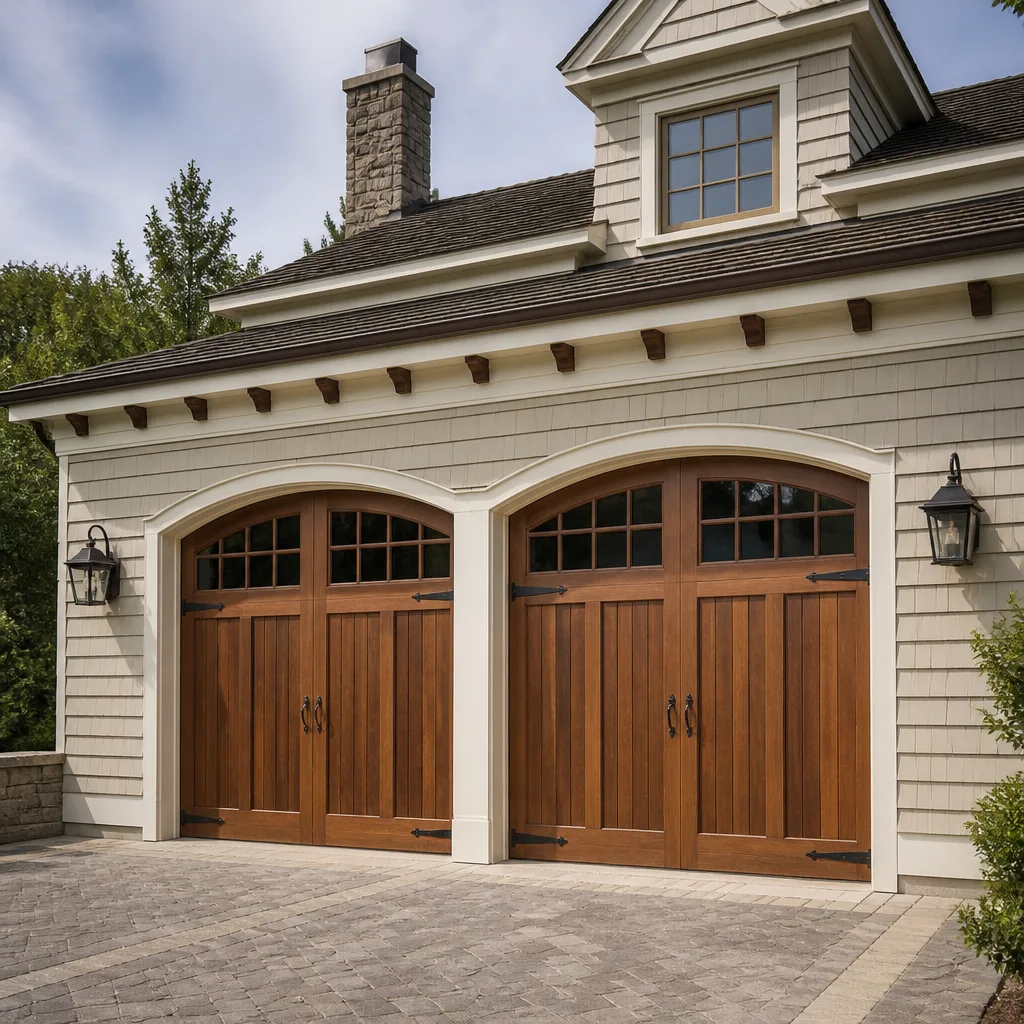 Carriage house
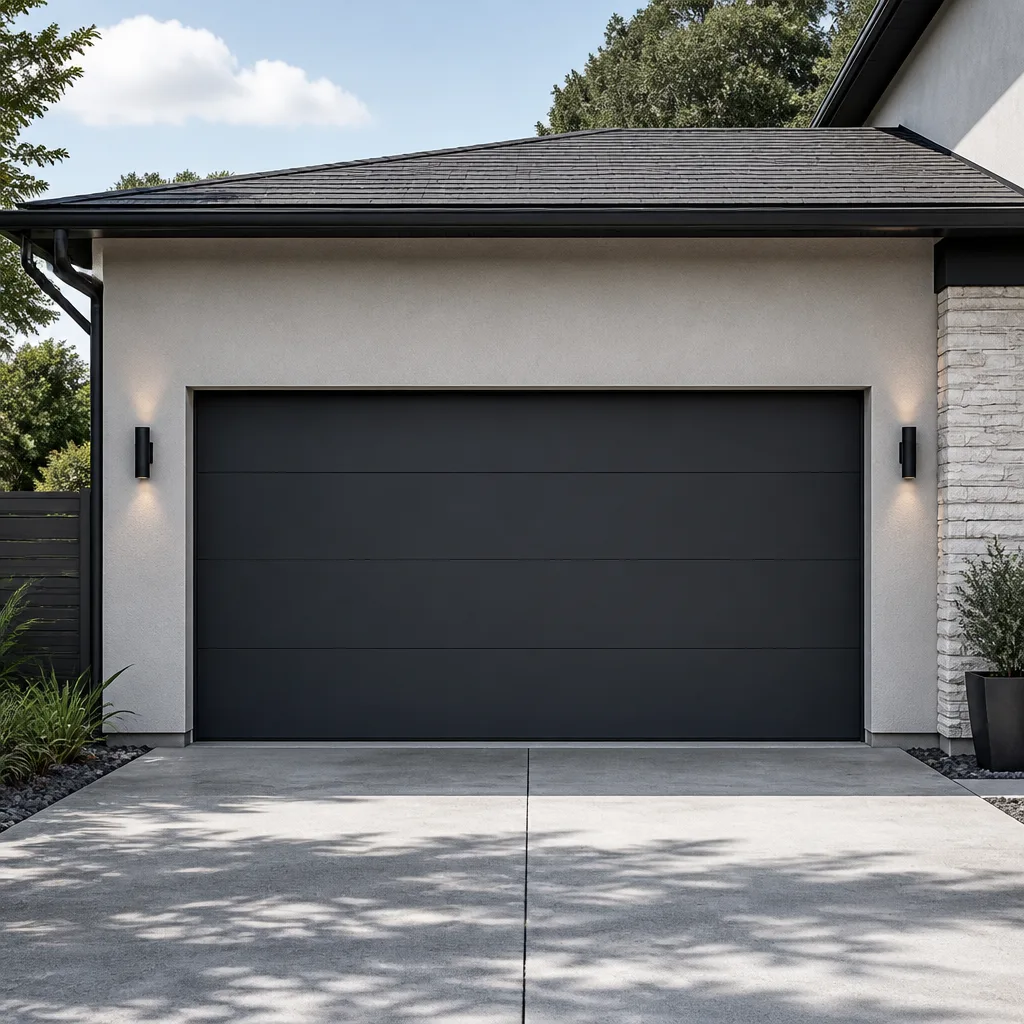 Modern flush
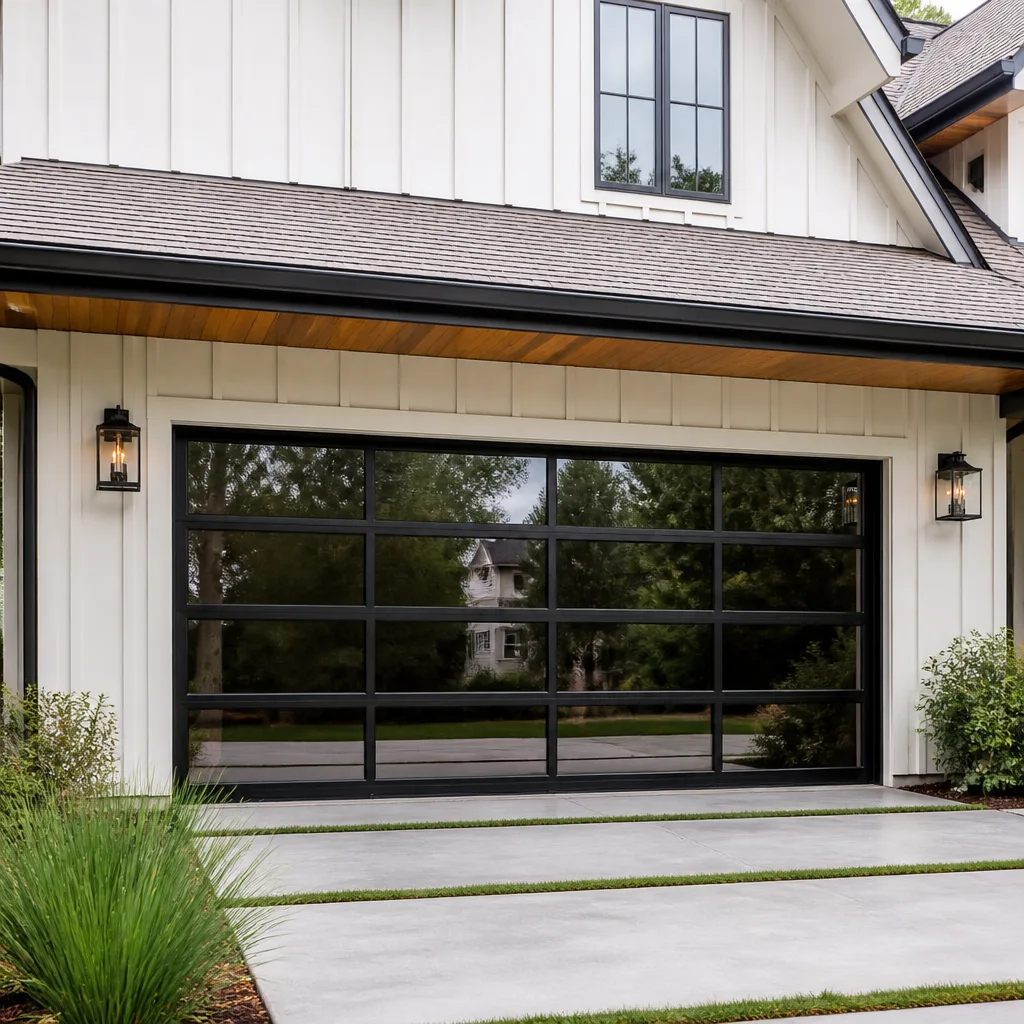 Full-view glass
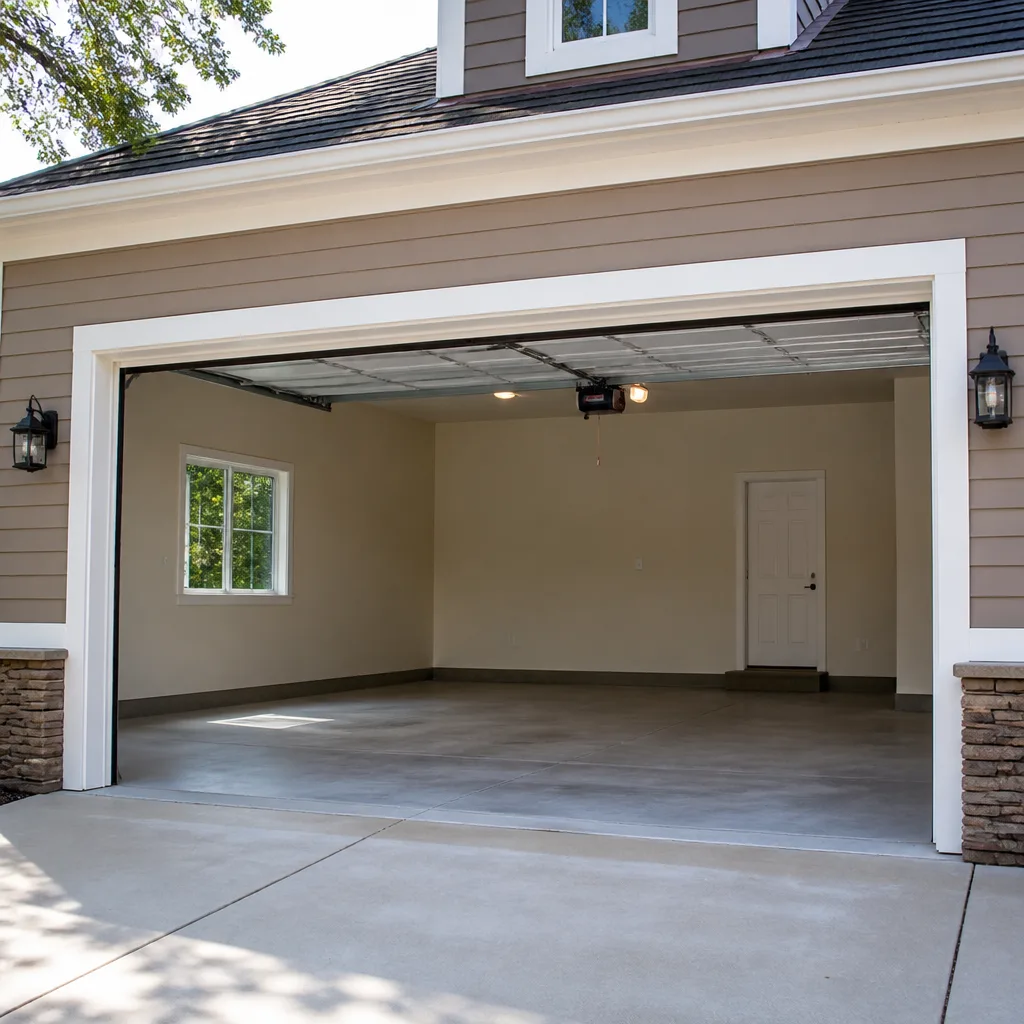 LiftMaster openers
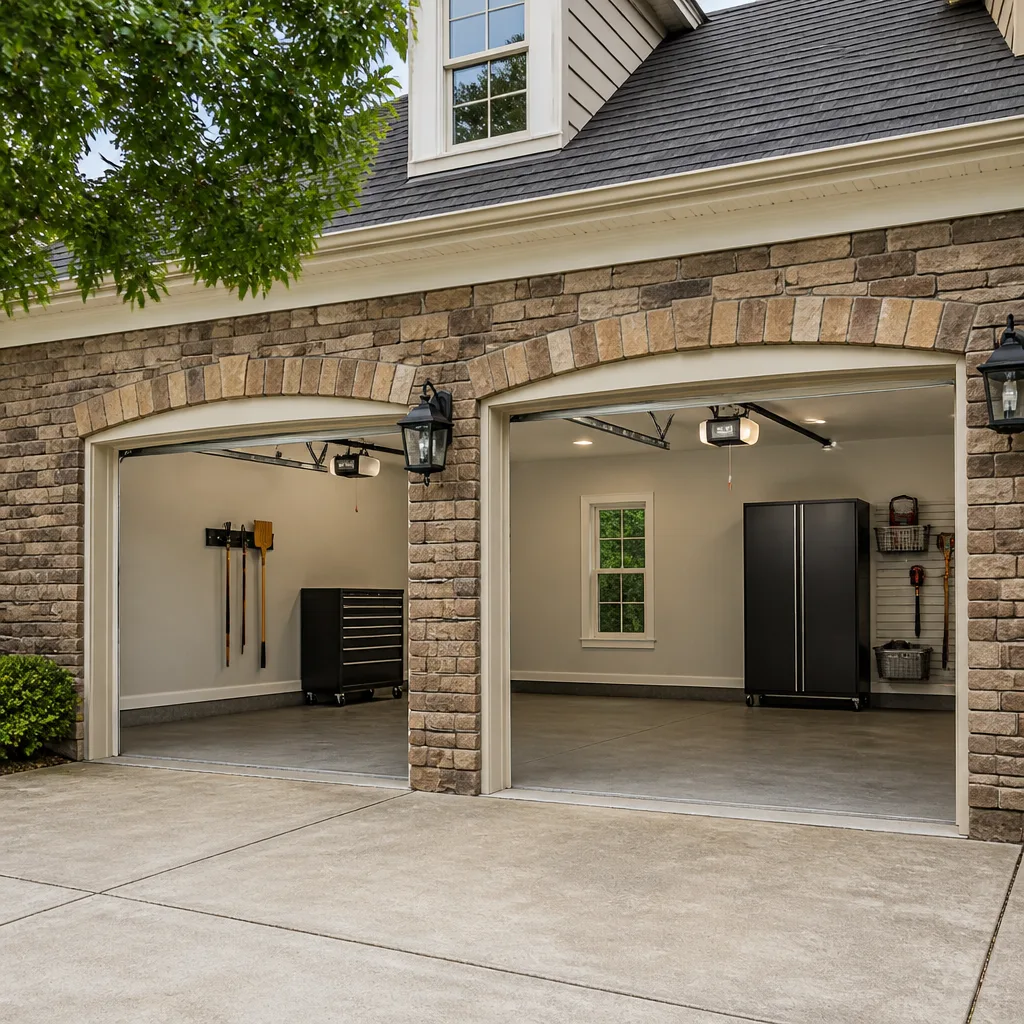 Chamberlain openers
Full 25-point door and opener safety check with every visit - springs, cables, rollers, tracks, and your LiftMaster or Chamberlain opener included
You get a price before we start. It does not change when the pro arrives.
Get your free estimateHow to Hire a Garage Door Contractor in Aurora: A Step-by-Step Guide
Search for garage door repair in Aurora and the results page will mislead you before you ever pick up the phone. Plenty of the companies listed at the top aren’t in Aurora at all. Some are lead-generation sites that sell your phone number to whichever contractor pays the most, and some are general handymen who took one door job last spring and added it to their ad. The company that actually shows up matters, because a torsion spring under load is unforgiving hardware. This guide gives you a repeatable process for telling a real garage door specialist from a middleman or a generalist, what Illinois licensing does and doesn’t cover on this work, the exact questions that separate them, and how to read a quote so the price you agree to is the price on the invoice. It’s written for Aurora homeowners who’d rather spend twenty minutes vetting than a frustrating afternoon untangling a bad hire.
Quick Answer
To hire a garage door contractor in Aurora, make sure the company performs garage door work as its primary trade, confirm it carries general liability insurance (and, for employees, workers’ compensation), ask who actually performs the work, and get a written quote that itemizes parts and labor before anything starts. Avoid results that are lead-generation sites or general handymen adding doors to a long service list, and never approve spring, cable or opener work based on a phone estimate alone. A legitimate specialist will answer brand-specific questions, explain the failure, and put the agreed price in writing.
Styles & brands we work with
- Raised-panel steel
- Carriage house
- Modern flush
- Full-view glass
- LiftMaster openers
- Chamberlain openers
Table of Contents
- 1. How to Read a Google Results Page for “Garage Door Repair Aurora”
- 2. What Illinois Licensing Actually Covers for Garage Door Work
- 3. The Questions That Separate a Specialist From a Generalist
- 4. How to Read a Quote: Parts, Labor and the 90-Day Spring Problem
- 5. How to Verify Insurance for a Door Job on an Attached Garage
- 6. Why Spring and Cable Work Needs a Trained Specialist
- 7. What Aurora Weather Does to Your Door (and What That Means for Hiring)
- 8. Repair or Replace? Questions to Ask Before You Commit
How to Read a Google Results Page for “Garage Door Repair Aurora”
Before you call anyone, look at what you’re actually looking at. The search results for garage door work in Aurora are a mix of three very different things, and they’re designed to look similar. Learning to sort them takes about two minutes and saves you the worst part of the process: talking to a call center that has no intention of sending anyone.
The three types of results you’ll see:
- Lead-generation sites. These pages look like a local garage door company but exist to collect your information and sell it to contractors bidding for the job. They often have a generic 800 number, a form promising a callback, and no address tied to anyone who turns a wrench. The tell: you call, a dispatcher answers without knowing your door, and you get transferred or promised a call back “shortly.”
- Out-of-area companies. Some listings are legitimate companies headquartered well outside Aurora. They may still do good work, but a long drive to your house affects scheduling, and it’s worth knowing up front whether you’re hiring a company with a local service presence or a distant one that routes crews around.
- Actual local specialists. These companies do garage doors as their trade. Their site talks about torsion versus extension springs, opener drive types, and specific brands. That specificity is the signal. A company fluent enough to name LiftMaster, Clopay or Amarr in real technical context usually works on them.
Look at the “About” and service pages of each result. A genuine garage door specialist has pages devoted to springs, openers, panels and installation, because that’s the whole business. A general handyman lists doors alongside drywall, decks and gutter cleaning. And a lead-generation site has almost no real content at all, just a form and a promise. In our experience, the pages with the most technical detail are almost always the ones written by people who do the work. If a site can’t tell you the difference between a standard-lift and a high-lift door, it probably can’t fix yours.
One more filtering trick: check whether the business appears in the map pack with a real, verifiable address and whether the same business name shows up on independent review platforms outside Google. Middlemen rarely have both.
What Illinois Licensing Actually Covers for Garage Door Work
Here’s the part homeowners find surprising: garage door installation and repair are not covered by a single statewide trade license the way electrical or plumbing work is. Illinois does regulate the electrical side, so anything involving new wiring for an opener can fall under electrical contractor rules, and some municipalities require permits for structural modifications or full replacement work. But the door itself, the springs, cables, tracks and panels, has no state-specific license that guarantees competence. That gap is exactly why the vetting is on you.
What this means practically for a hire in Aurora:
- Don’t treat “licensed” as a green light. Ask what the license covers. An electrical license covers wiring; it doesn’t make someone a spring specialist. A general contractor’s license covers project management, not the mechanical work of balancing a door.
- Ask whether your job requires a permit. A full replacement or any change to the structural opening may require one in Aurora. The right answer isn’t a guess. It’s “let me confirm with the city’s building department.” A specialist who does this work regularly knows which jobs need what.
- General liability insurance is the coverage that matters. Since there’s no trade license guaranteeing quality, insurance and proof of workmanship are your real protections. More on that below.
Because the state doesn’t license the trade itself, any company claiming a “garage door license” is either referring to a business license (which almost everyone has) or something worth asking about directly. The legitimate answer is a plain one: this trade is unlicensed at the state level, so competence is proven through references, brand knowledge, insurance, and written workmanship agreements, not a piece of paper. We’d rather tell you that up front than let you assume a credential means more than it does.
The Questions That Separate a Specialist From a Generalist
The phone call is where you separate a garage door company from a handyman with an extra ad. Ask these questions and listen for specific answers. A specialist answers in the language of the trade. A generalist gives you a generic price and offers to “take a look.”
Questions to ask before booking:
- “What’s the primary trade of your business?” The answer should be garage doors. Not “home repair,” not “handyman services,” not “remodeling.” A specialist does one thing.
- “Which door and opener brands do you work on?” A real specialist names specific brands and can explain brand-specific differences. Look for fluency with LiftMaster, Chamberlain, Genie, Clopay, Amarr, Wayne Dalton, Craftsman and Raynor. If they can’t tell you what’s different about a Genie versus a Chamberlain opener, they aren’t doing brand-specific diagnostics.
- “Who will actually do the work?” You want a technician employed by the company you called, not a subcontractor routed in from a dispatch network. If the answer is vague, that’s your answer.
- “Can you tell me what’s wrong before you arrive?” A specialist will walk you through symptoms (does the door go up a few inches and stop? is the opener running but the door not moving?) to narrow the problem. A generalist just books a visit.
- “What does your quote include?” You want to hear “parts, labor, and a written estimate before any work starts.” If it’s “we’ll figure it out when we see it,” keep looking.
- “Do you carry general liability insurance, and can you send proof?” Everyone says yes. The specialist sends the certificate.
The generalist usually stumbles on questions two and four. That’s the tell. In our experience, the companies that lose interest at “which brands” are the ones least equipped to correctly diagnose a spring versus a cable versus an opener problem. A general handyman can hang a door and replace a roller. Balancing a torsion spring, setting cable tension correctly, and programming a modern smart opener are different tasks with different tools.
How to Read a Quote: Parts, Labor and the 90-Day Spring Problem
The vaguest phrase in the garage door industry is “parts and labor included.” It sounds reassuring and means almost nothing on its own. When a spring snaps again in three months, or a door comes out of balance, what matters is which parts, what grade, and what the workmanship terms are. A quote isn’t protection unless you can read it.
What a good written quote contains:
- The specific part being replaced. Not “spring repair” but “one torsion spring, [size and wire gauge]” or “one LiftMaster opener, model [X].” If the quote can’t identify the part, you can’t verify what was installed.
- Whether it’s one spring or a matched pair. A garage door typically has one spring or a matched pair, and they wear together. If one is replaced, the other is usually at the end of its life too. A pair costs roughly twice one spring. A quote that replaces one and doesn’t discuss the second is either incomplete or creating a return visit.
- Labor stated as its own line. Bundling everything into one number makes it impossible to compare quotes or judge whether a “cheap” price means cheap hardware.
- Workmanship terms in writing. How long is the work guaranteed, and what happens if the same part fails inside that window? Get the answer in writing. The 90-day spring problem is almost always a quote problem: an undersized or mismatched spring installed to fit the job in a hurry.
- A stated total that matches the estimate. The written estimate sets the final price. If the technician finds something genuinely different once the door is open, they should stop and explain before touching anything, not add it silently to the invoice.
The best quotes read like a short clinical description of your door. The worst quotes are a single number and a broad promise. If you want to see what detailed spring and opener quotes typically look like itemized, our pages on garage door spring repair and garage door opener repair break down the components in plain language.
How to Verify Insurance for a Door Job on an Attached Garage
Insurance is the quiet safety net most homeowners skip. Ask any contractor “are you insured?” and you’ll get a yes before you finish the sentence. Verification means seeing the certificate of insurance, not hearing a claim. For a door job on an attached garage, three coverages actually matter, and one of them is often left off.
The coverages worth confirming:
- General liability. This is the one that covers property damage, such as a dropped door section, a damaged opener or a damaged vehicle. Ask for the certificate of insurance and check that it names the company and is current.
- Workers’ compensation. This matters if the technician is an employee of the company. If someone is injured on your property and the company doesn’t carry workers’ comp, the injury can, in some cases, become your problem. Ask specifically. A company using employees should carry it.
- Commercial auto, if applicable. Minor, but a company with its own vehicle should be covered for the work trip.
Attached garages raise the stakes because the door is part of the structure of your home. A garage door that comes off its tracks is heavy and dangerous, and a door that’s left unbalanced or a torsion bar that fails can damage the opening and the home behind it. This is why the certificate of insurance matters more than the “are you insured” checkbox. In practice, the honest answer from a good company is a certificate within minutes. The answer from a lead-generation site is a phone number for a “partner.”
One local note: when a company connects you with an independent technician, as we do, that technician should be licensed and insured as their state requires. Ask for the certificate from the professional actually performing the work. The coverage belongs to whoever is on the property.
Why Spring and Cable Work Needs a Trained Specialist
Garage door springs and cables are the highest-risk components on the system, and that’s not a sales line. A torsion spring holds the weight of the door in tension. If it’s released improperly or an undersized one is installed, the stored energy can cause serious injury in an instant. This is the one area where “I’ll do it myself” or “I’ll call a handyman” can have real consequences.
What trained technicians do differently:
- They measure and match. Springs are sized to the door’s weight, height and track configuration. The correct wire gauge and inside diameter matter. A spring guessed at or pulled from a generic box will fail early and may unbalance the door while doing it.
- They use proper winding bars and procedures. Setting tension requires controlled tools and steps. The YouTube spring swap is where injuries happen.
- They check the whole system, not just the broken part. A snapped spring usually points to wear elsewhere: cables, drums, rollers and hinges that need attention. A specialist diagnoses the system so the next failure isn’t already loaded.
- They know when a cable or track has to be replaced rather than adjusted. Cables under tension can cause deep cuts and worse. A generalist often doesn’t have the tools or training to safely re-tension one.
We say this plainly because it’s the part of the job where cutting corners reaches for homeowners. If you’re considering whether a spring or cable job is a DIY project, it isn’t. Our garage door repair pages explain the diagnostics behind a door that won’t balance, but we’d still urge you to have a specialist do the physical work. Give us the symptoms and we diagnose the cause.
What Aurora Weather Does to Your Door (and What That Means for Hiring)
Hiring a specialist means understanding the local conditions your door lives through. Aurora’s weather is not gentle on a garage door, and it’s the reason generalist quotes often underestimate the job while specialist quotes account for it. The freeze-thaw cycle is the main culprit. Water that gets into seams and around metal hardware at night expands when it freezes and contracts during daytime thaws. That cycle moves the hardware slightly again and again, which over a season loosens brackets, works rollers out of alignment and stresses hinges.
That means a few things when you’re choosing a contractor in Aurora:
- Diagnosis should account for the season. A door that sticks in January may need a different fix than one that sticks in July. A specialist who knows local conditions will ask about the timing.
- Lubrication and alignment checkups go a long way. The companies worth hiring will recommend maintenance that fits local weather rather than a generic “clean and inspect.”
- Winter timing matters. A spring that goes in a cold snap turns a routine repair into a rush. That’s exactly the situation where having already vetted a specialist pays off. Before you need emergency service is the best time to confirm who you’d call.
Climate history in Aurora also tells you something about the housing stock. Doors and openers in this area see real seasonal swings, which is why a spring that’s tracked the same door for years can fail without warning and why knowing the brand of your opener matters when replacement time comes. It’s a detail generalist hiring misses and a specialist builds into the conversation.
Repair or Replace? Questions to Ask Before You Commit
A reputable specialist should be willing to tell you when repair stops making sense. That’s different from a contractor who leads with replacement because it’s a bigger job. The honest middle ground is asking the right questions and making the company answer them with specifics.
Questions to ask when deciding repair versus replacement:
- How old is the door and how many components have failed? A single spring failure on an otherwise sound door is a repair. Multiple failures across panels, cables and opener on a door past its service life push toward replacement.
- Is the hardware reusable? If the door’s structure is sound and only the mechanicals have worn, a new opener or new spring set can keep the door going. If the panels are separating or the tracks are badly bent, replacement often makes more sense than patching.
- Do you work with our door’s brand? If your door is a Clopay or Amarr, the specialist should recognize it, explain the original hardware, and service it with brand-matched parts rather than converting it to fit whatever’s available.
- What’s the warranty difference? A new door typically has a manufacturer’s warranty on the panel and hardware. A repair warranty should be stated in writing. Compare them like-for-like.
When replacement is the right call, get the measure done properly and a written price for the specific door, model and opener. Our installation-related services are handled the same way: measure, order the correct door, schedule the install, and confirm the quote before any work starts. Never let a company talk you into a full replacement on the basis of a phone description. A specialist wants to see the door first.
Common Mistakes to Avoid
- Calling the top search result without checking who it is. Lead-generation sites buy those rankings. Check whether the business has a verifiable local presence and whether the page has real technical content before you dial. Two minutes of sorting saves you an afternoon of runaround.
- Accepting a phone quote for a spring. A spring price depends on the door’s exact size and weight. A phone estimate is a guess. Get the on-site assessment and written price before the spring is touched.
- Treating “parts and labor” as enough detail. Vague quotes are how the 90-day spring failure happens. Ask for the specific part, the spring size, and the workmanship terms in writing.
- Assuming a license protects you. Illinois doesn’t license this trade at the state level, so competence rests on insurance, references and brand fluency, not a credential.
- Skipping the insurance certificate. “We’re insured” is not verification. Ask for the certificate, especially for work on an attached garage.
- Hiring a generalist because they answer first. A handyman with a sandwich board can answer a call. The question is whether that person has done a torsion spring conversion and knows the door’s brand tolerances. If not, you’re the guinea pig on your own garage.
- Ignoring the brand question. If your opener is a Chamberlain or your door is a Raynor and the company can’t identify it, they may fit generic parts that don’t match. Brand-specific knowledge is a hiring requirement, not a bonus.
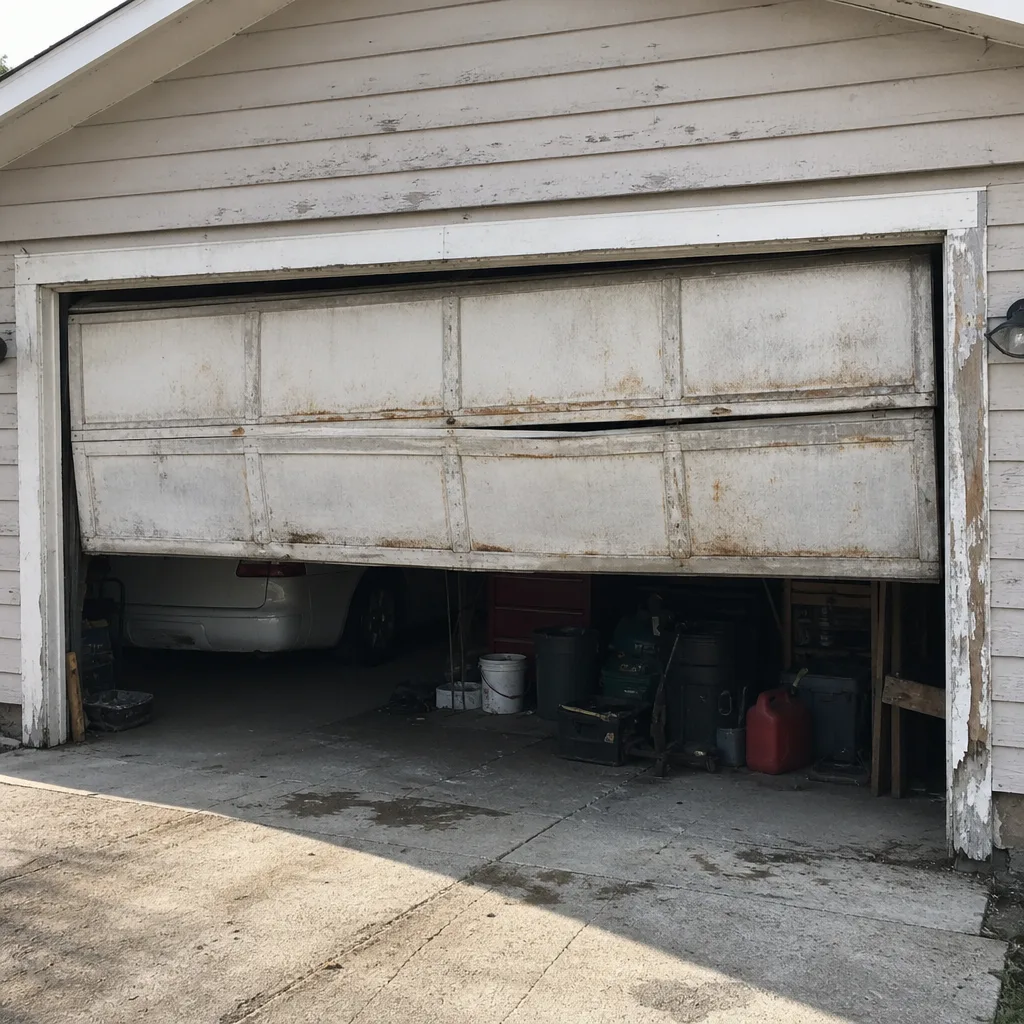
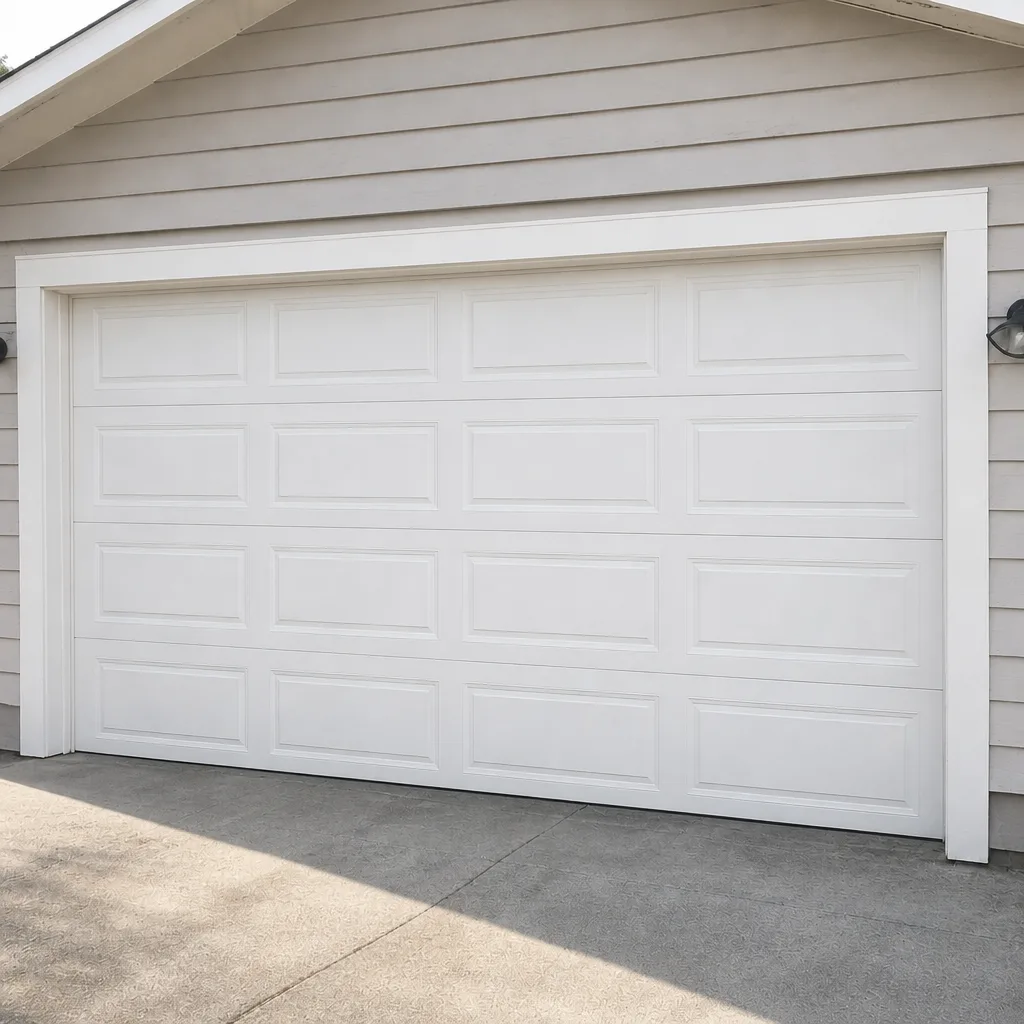
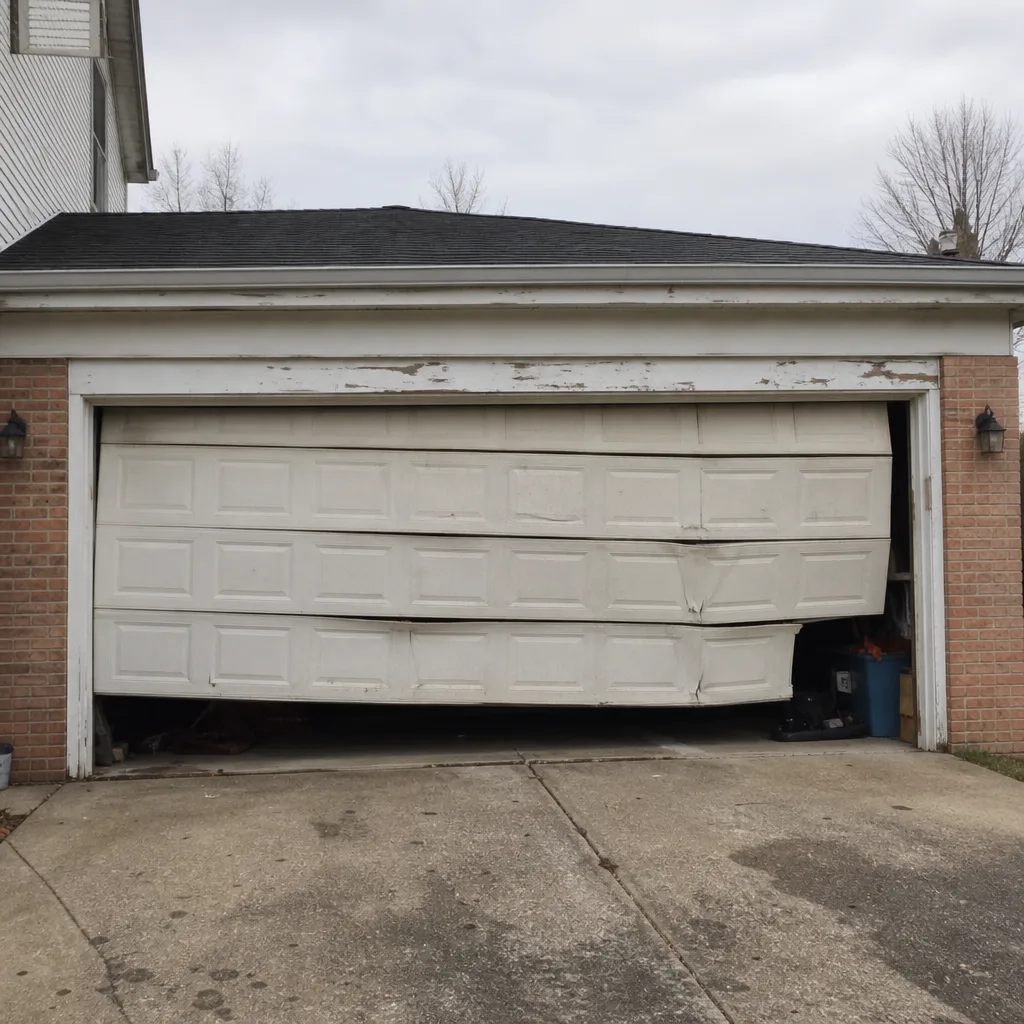
See the difference
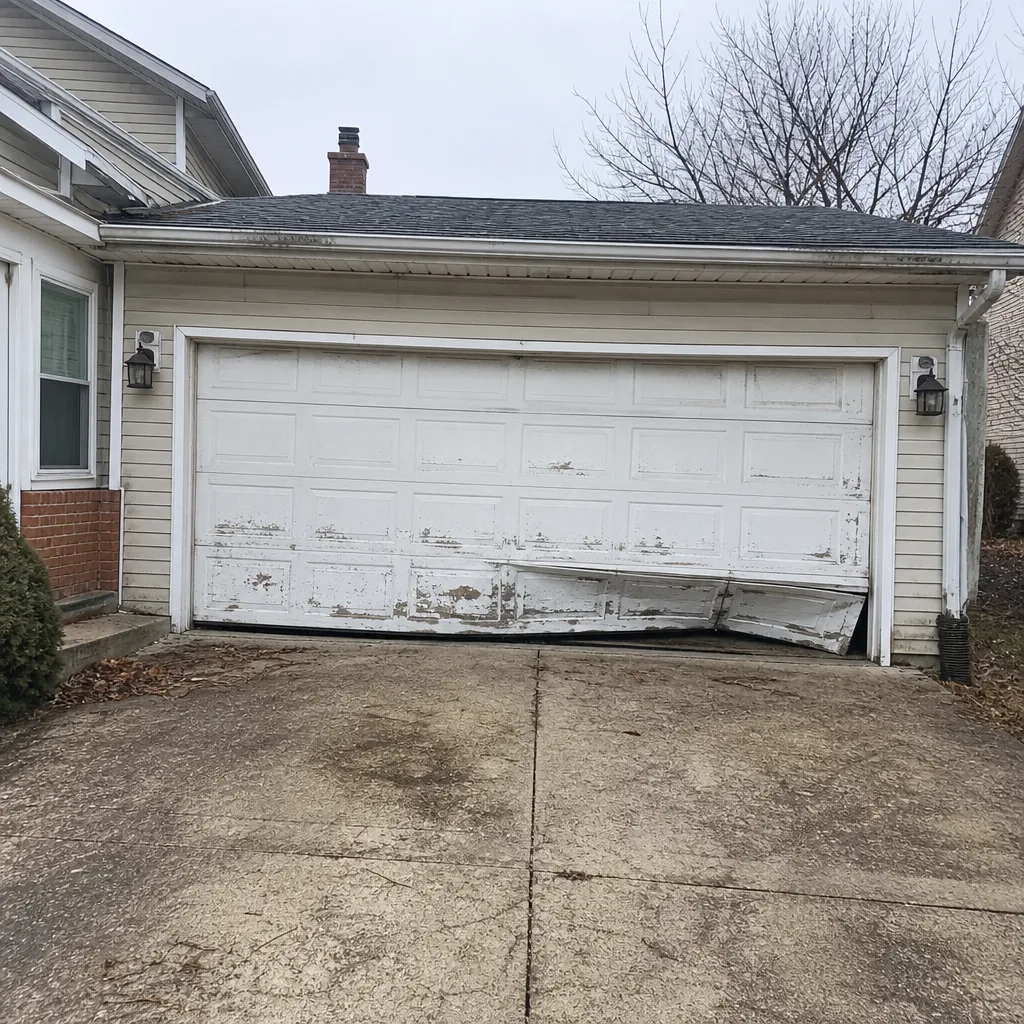 Before
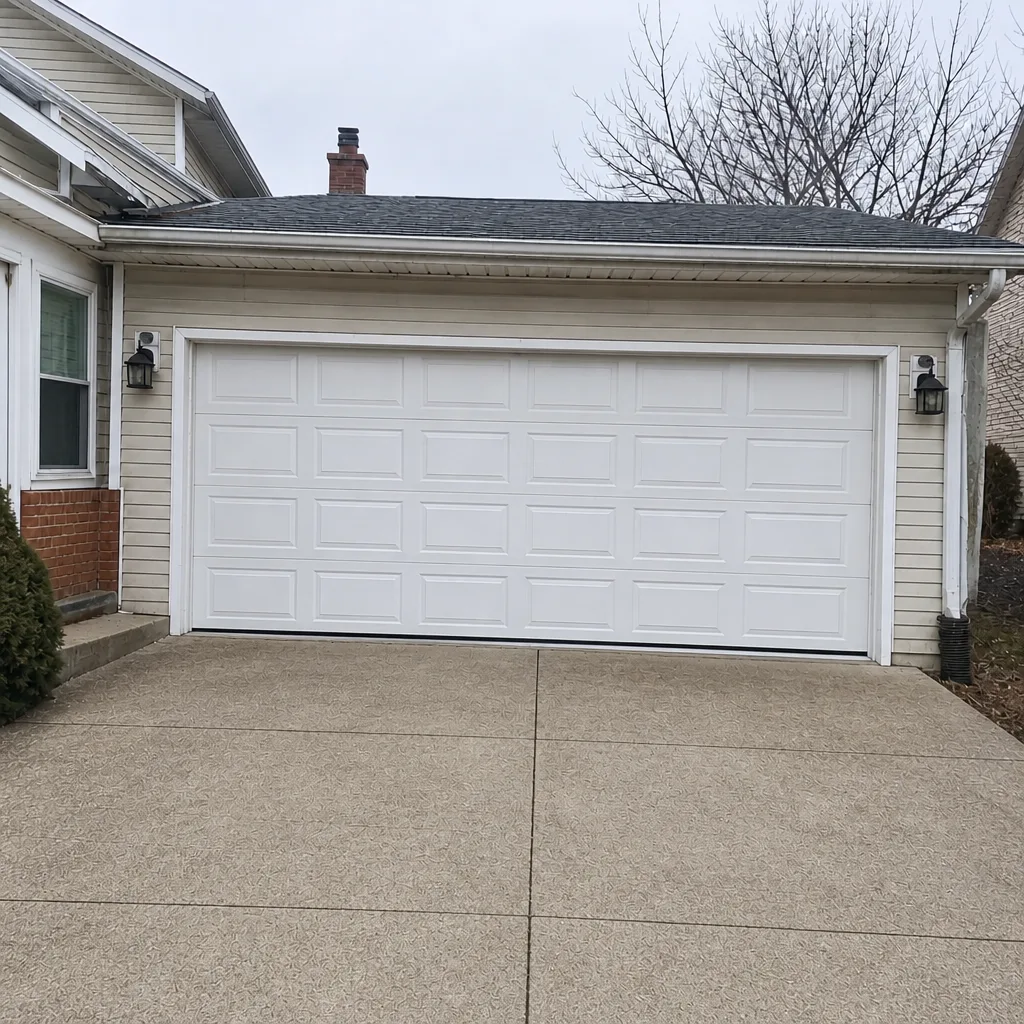 After
 Before
 After
 Before
 After
When to Call a Professional
Some jobs are fine to leave to a specialist and a scheduled visit, but emergency or safety-critical symptoms need a call right away: a door that won’t open or close at all, a snapped or dangling spring, a door hanging off its tracks, a cable that’s visibly loose, a door that came down hard, or an opener that runs but doesn’t move the door. Any of these is a sign to stop operating the door and bring in someone trained for it. A door off its track is a physical hazard, and a broken spring takes the door’s counterbalance with it, which makes it unpredictable. For urgent situations, emergency garage door service is what a specialist does, and it’s not something to schedule for a scheduled appointment next week. Aurora Garage Door Repair Pros offers free estimates in Aurora, and our technicians have up to 9 years of experience. Call (866) 947-9649.
Frequently Asked Questions
Check for a verifiable business presence and real technical content. Lead-generation sites usually have a generic 800 number, a contact form with no address tied to a physical business, and almost no technical detail. Genuine specialists have pages devoted to springs, openers, panels and installation, and they name the brands they work on. Look at the site’s substance, not its ranking. A real specialist can answer brand-specific questions on a phone call; a middleman transfers you.
Illinois does not have a single statewide license specific to garage door installation and repair. Electrical work related to opener wiring is regulated, and some Aurora jobs may need a permit through the city’s building department, but the door’s springs, cables and tracks have no state-specific trade license. Because of that gap, verify general liability insurance, workers’ compensation and workmanship terms instead of relying on a license. Call (866) 947-9649 if you want a straight answer on what a specific job requires – estimates are free.
A written quote should identify the specific part being replaced, state whether it’s one spring or a matched pair, list labor as its own line, and spell out the workmanship terms. It should also state the total price and confirm it will be the price on the invoice. The estimate sets the final price. If the technician discovers something different once the door is open, they should stop and explain it before proceeding.
It usually means the quote was too vague to protect you. A spring failure within months typically points to an undersized or mismatched spring, or a worn second spring that wasn’t replaced at the same time. Ask for the specific spring size and the workmanship guarantee in writing before you approve the job. The clearer the quote, the less room for a repeat failure.
Licensing depends on the trade. Garage doors aren’t state-licensed in Illinois, so ask a contractor what their license actually covers and confirm general liability insurance and, for employees, workers’ compensation. When a company connects you with an independent local professional, the professional should be licensed and insured as their state requires. You can request the certificate before work begins. Call (866) 947-9649 for a free estimate and the paperwork you need.
Repair and emergency work is often handled same day when a door won’t open or close, because access and security can’t wait. Installation and replacement are different. Those jobs are measured, ordered and scheduled, so don’t expect them to happen in one visit. For the urgent cases, call and tell us what the door is doing. Estimates are free, and a technician can diagnose the cause before any work starts.
The Bottom Line
Hiring well in Aurora comes down to a short, repeatable checklist. Sort the search results into lead-generation sites, out-of-area companies and real specialists, then vet the specialists. Confirm the trade, ask brand-specific questions, verify insurance with a certificate, and insist on a written quote that itemizes parts and labor with stated workmanship terms. Treat spring and cable work as the safety-critical job it is. The goal isn’t the cheapest number you can find. It’s the price you agree to in writing, set by someone who knows your door’s brand and the local weather it lives through. Do that and the “cheap quote, expensive comeback” loop disappears.
If you want a specialist to look at your door, we’re ready. Aurora Garage Door Repair Pros works on garage doors only, from springs and cables to openers and full installs, and our technicians have up to 9 years of experience with LiftMaster, Chamberlain, Genie, Clopay, Amarr, Wayne Dalton, Craftsman and Raynor. We give free estimates, quote the price before any work starts, and handle emergency calls when a door won’t move. Reach Aurora Garage Door Repair Pros and call (866) 947-9649 for a free estimate. You’ll know exactly what’s wrong, what it costs, and when it’s back in service.
Written by the team at Aurora Garage Door Repair Pros.