Last updated November 23, 2026
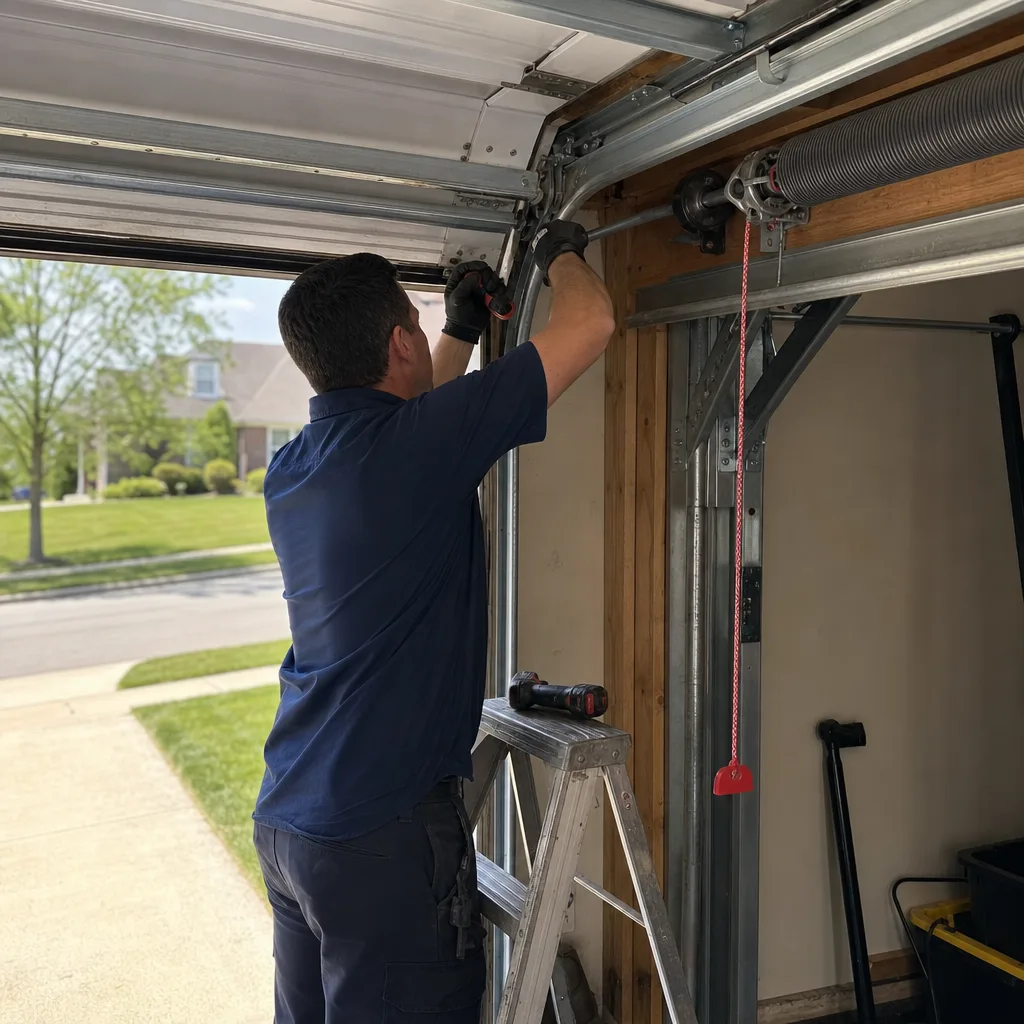
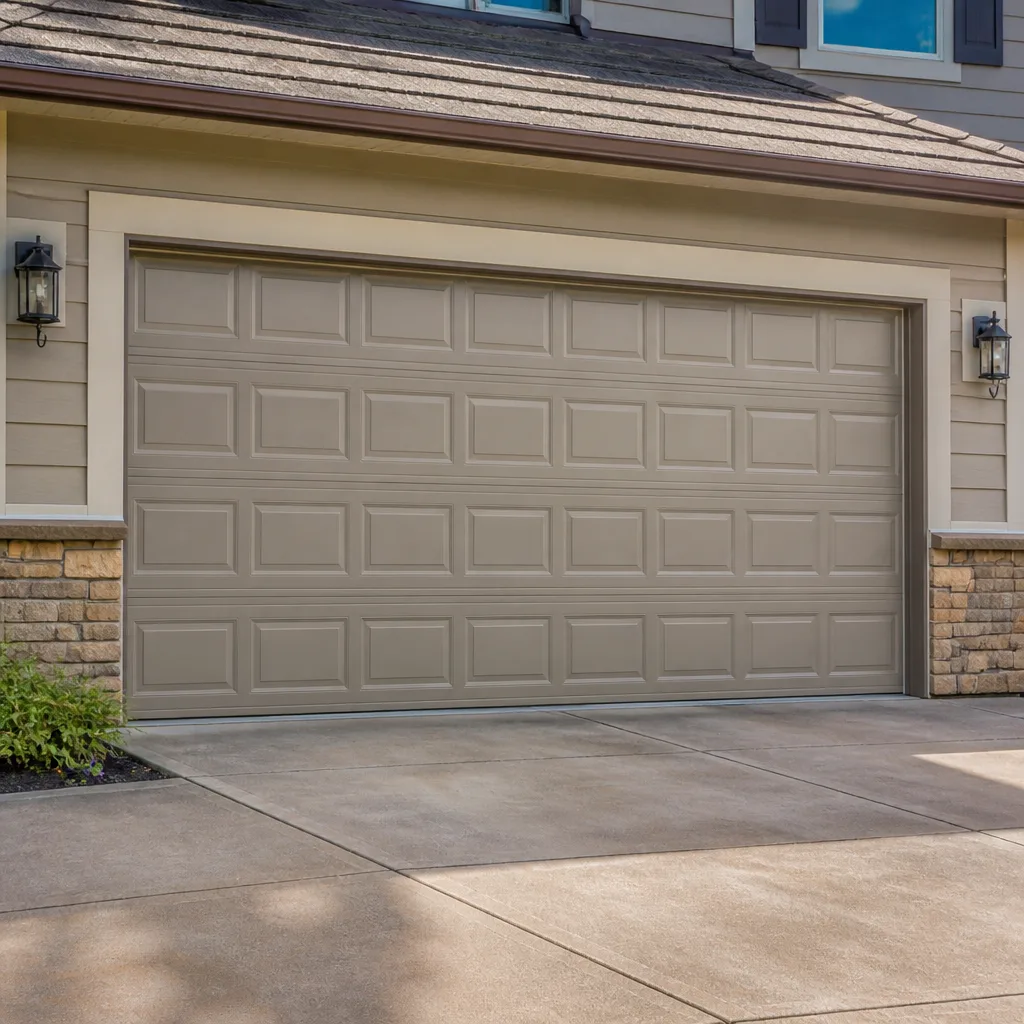 Raised-panel steel
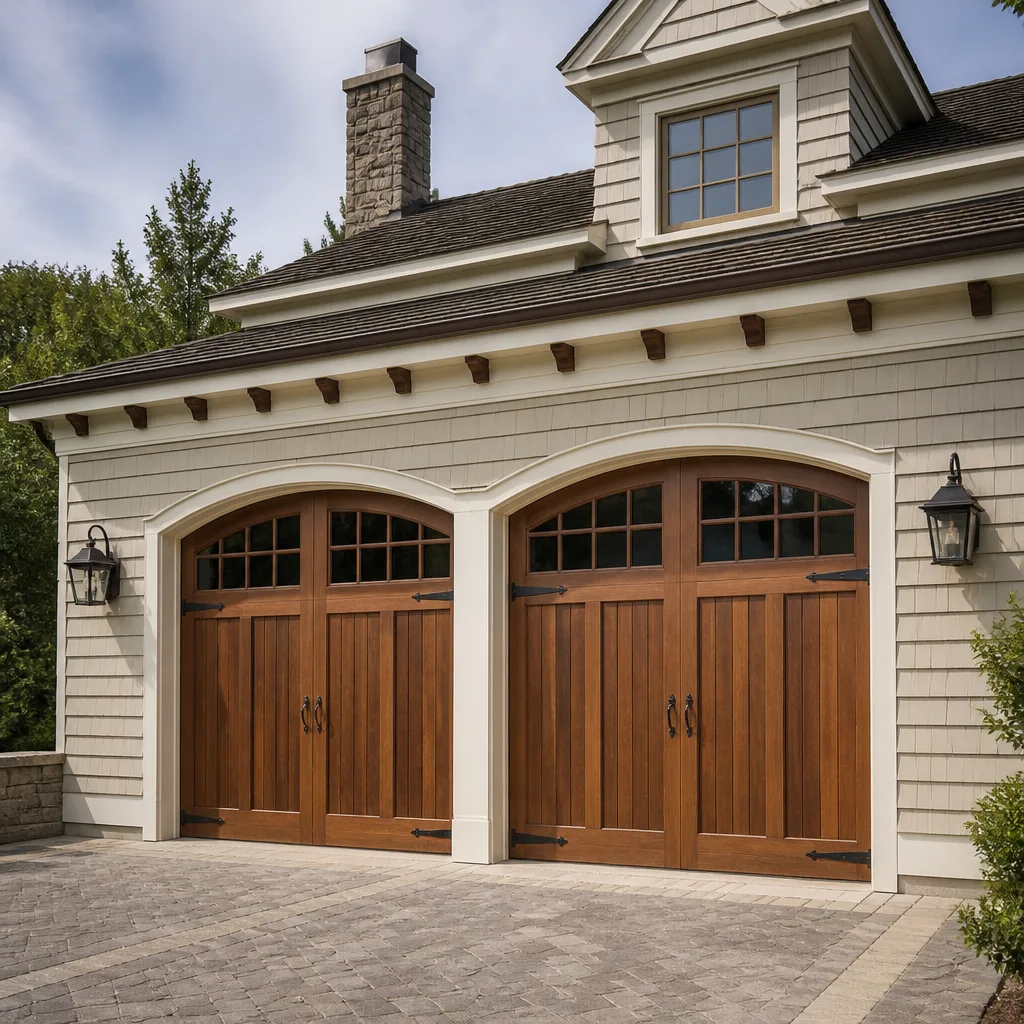 Carriage house
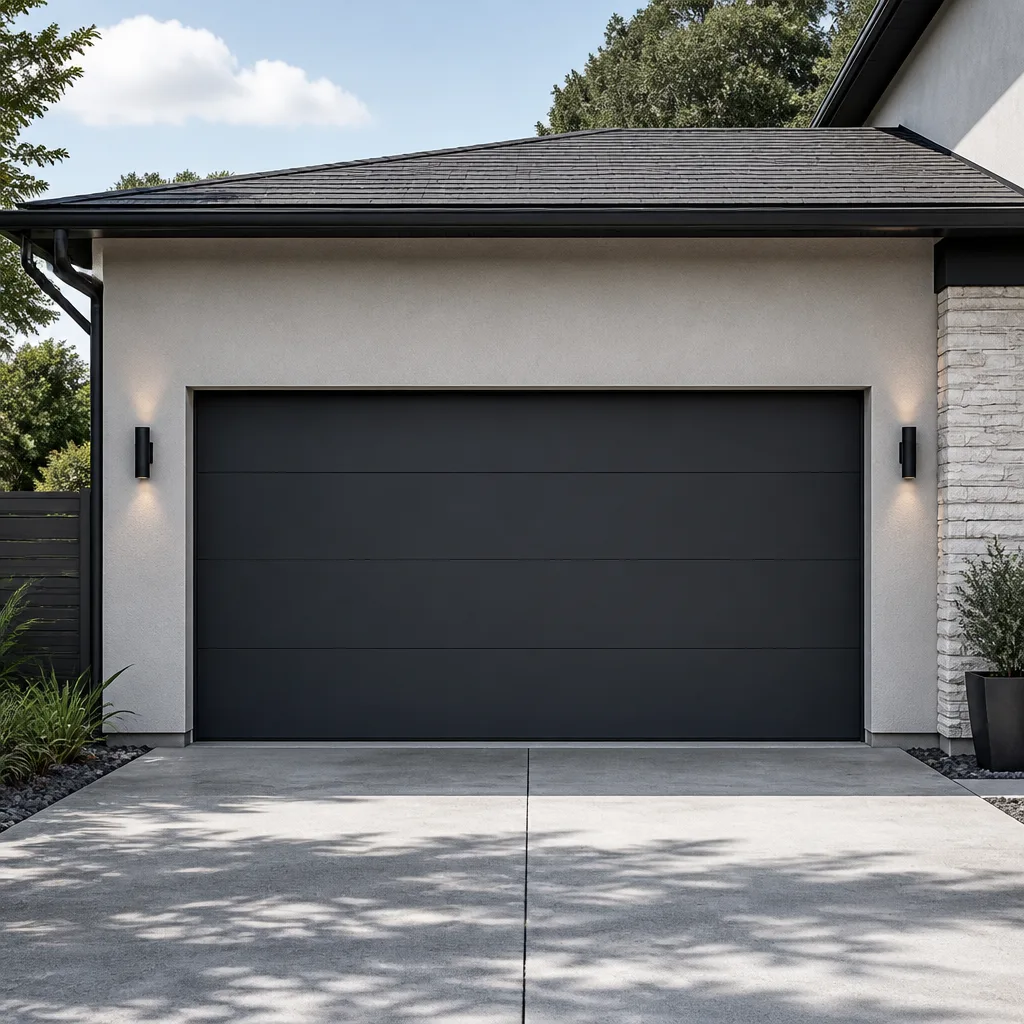 Modern flush
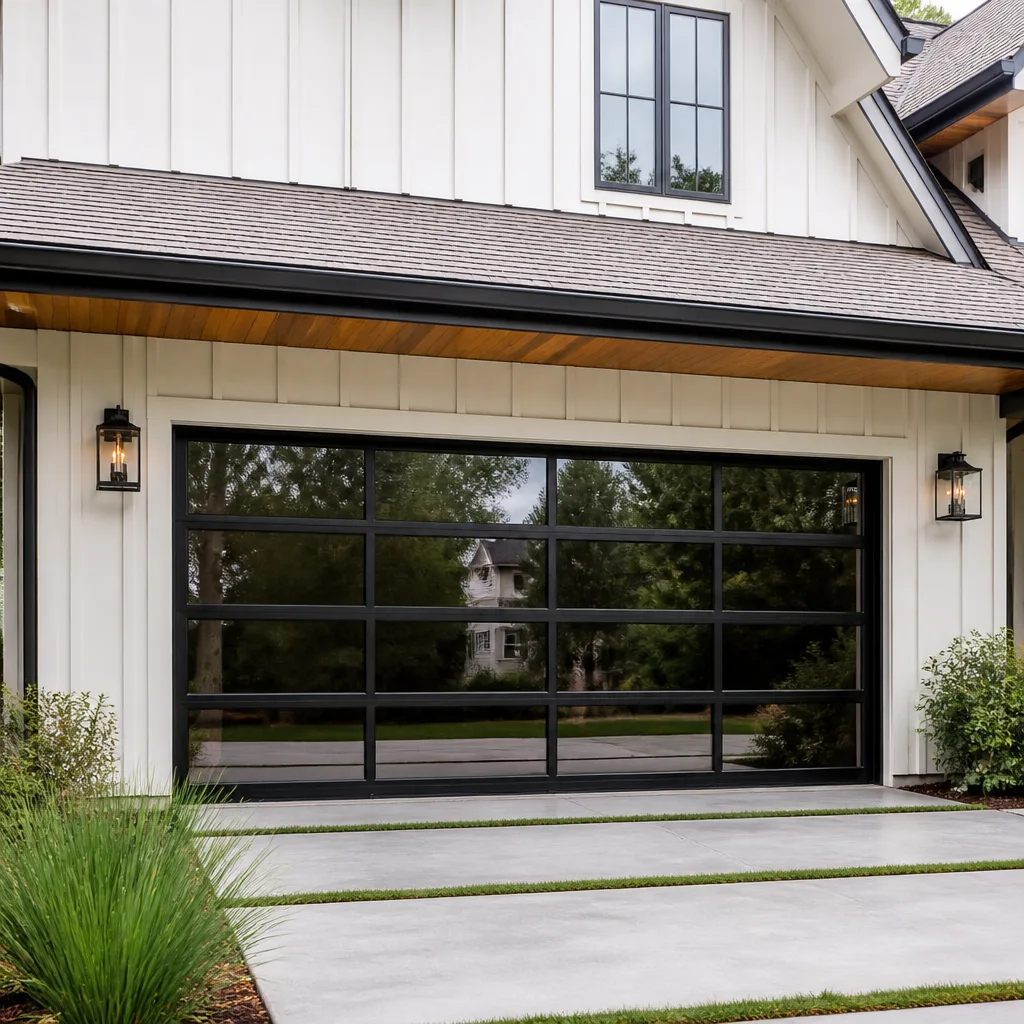 Full-view glass
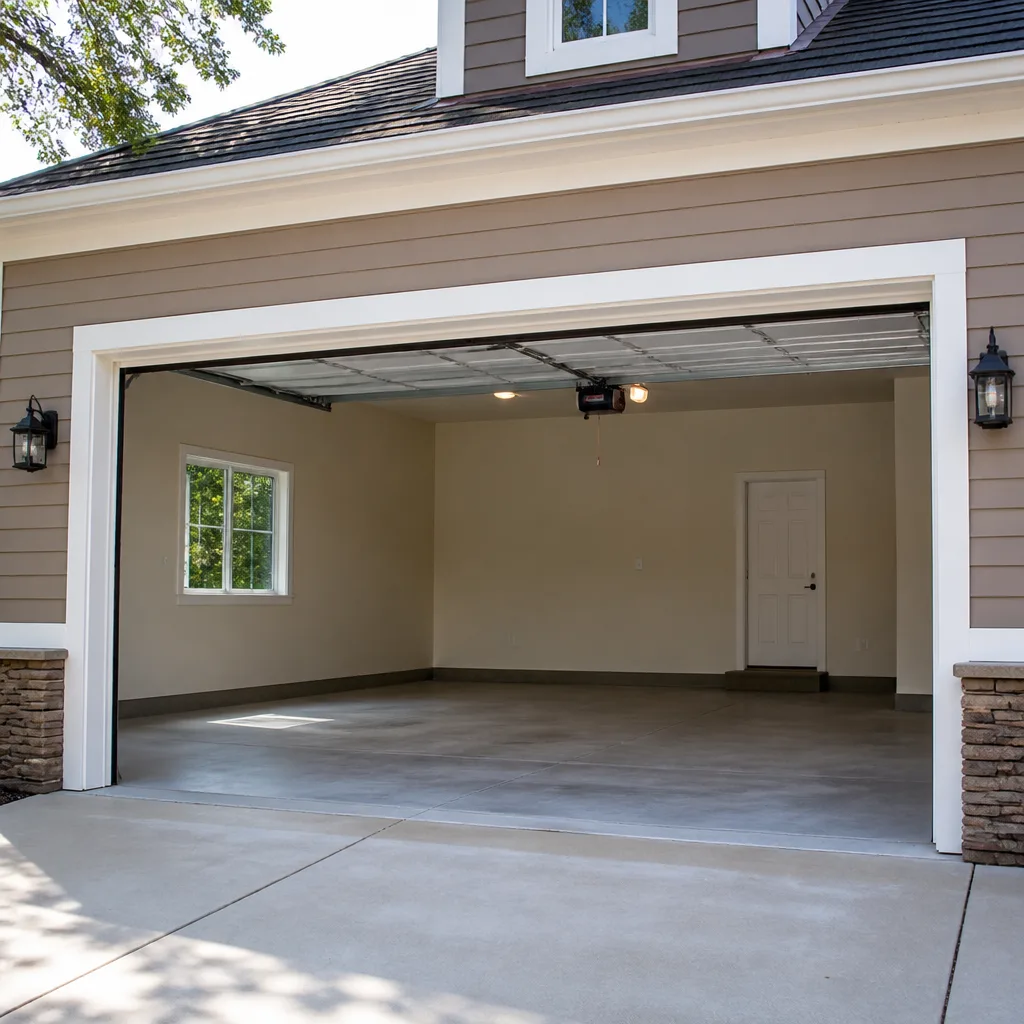 LiftMaster openers
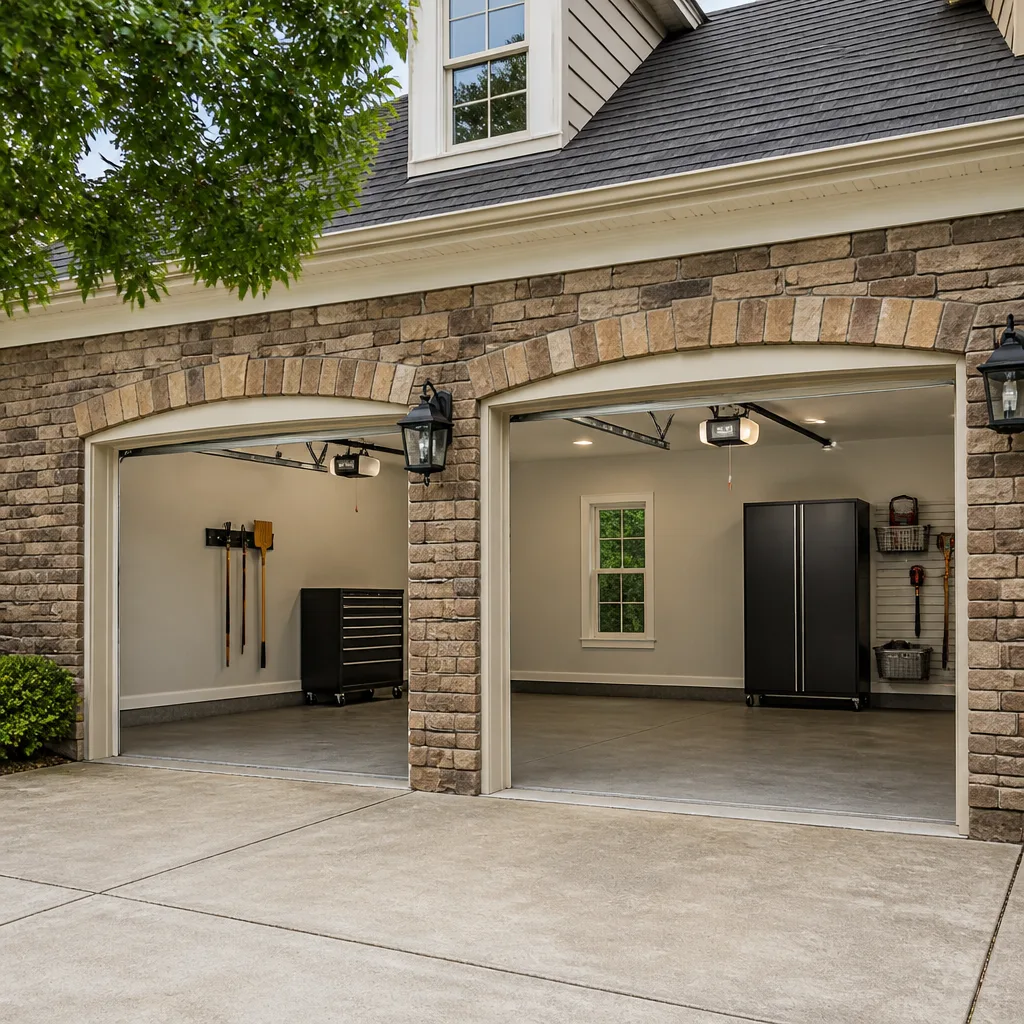 Chamberlain openers
Full 25-point door and opener safety check with every visit - springs, cables, rollers, tracks, and your LiftMaster or Chamberlain opener included
You get a price before we start. It does not change when the pro arrives.
Get your free estimateThe Complete Guide to Garage Doors in Aurora
Most garage door guides are written for a fictional average American city, and that’s the problem. Aurora gets roughly 38 inches of snow per year and sits in a freeze-thaw cycle that cracks torsion spring steel faster than homeowners expect. A door that was fine in October can sound wrong by February. So a guide built for a mild, steady climate misses the variables that actually drive repair calls here: steel that expands and contracts dozens of times a season, tracks that heave with the frost, and housing stock spanning three distinct eras of construction. This guide covers how Aurora’s climate, neighborhoods, and permit rules shape every garage door decision, from a snapped spring to a full replacement.
Quick Answer
Garage doors in Aurora need maintenance and repair tuned to a hard freeze-thaw climate, not a national average. Torsion springs, the highest-risk component of any door, wear faster here because of repeated thermal cycling, and replacement doors or openers must be sized to the specific home rather than picked off a shelf. Repair and spring work can often be handled quickly, while a full replacement involves measuring, ordering, and scheduling the install.
Styles & brands we work with
- Raised-panel steel
- Carriage house
- Modern flush
- Full-view glass
- LiftMaster openers
- Chamberlain openers
Table of Contents
- How Aurora’s Climate Affects Your Garage Door
- Torsion vs. Extension Springs: What the Freeze-Thaw Cycle Does to Each
- Garage Door Styles That Match Aurora’s Housing Eras
- Permits for Repair vs. Replacement in Aurora and Kane County
- Brand Availability and Service Coverage in the Aurora Metro
- How to Evaluate a Garage Door Contractor in Aurora
- A Seasonal Maintenance Routine for Aurora Homes
- Repair or Replace? A Decision Framework
How Aurora’s Climate Affects Your Garage Door
Aurora sits far enough inland that its garage doors live through genuine seasonal swings: hot, humid summers and cold winters with repeated freeze-thaw cycles. That cycle is the quiet force behind a lot of the problems we see. Metal expands in the warmth and contracts in the cold, and every one of those transitions works a torsion spring, a cable, or a hinge a little closer to failure. The roughly 38 inches of snow Aurora receives each year adds weight and moisture to the equation, especially when snow piles against the bottom seal and freezes into the door’s path.
Here’s what that means in practice:
- Torsion springs. Steel that cycles between warm and cold repeatedly loses tension and can develop hairline cracks. A spring that’s near the end of its life in a mild climate often gives out sooner here.
- Tracks and alignment. Ground heave from frost can shift a track slightly out of plumb, which makes the door drag and strain the opener.
- Bottom seals. A worn seal lets cold air and moisture in, and frozen slush can bind the door at the floor.
- Hardware and lubrication. Cold stiffens grease, so a door that ran smoothly in summer can grind in January without proper lubrication.
- Opener strain. A heavier, stiffer door in winter puts more load on the opener motor, which shortens its life if the door isn’t balanced.
The single best defense against all of this is balance. A properly balanced door moves with little effort by hand, and when it’s balanced, every component – springs, cables, opener, tracks – carries less strain. That’s the through-line of this entire guide. Aurora homes ask a lot of their garage doors, and balance is what keeps them answering.
Torsion vs. Extension Springs: What the Freeze-Thaw Cycle Does to Each
Two spring systems do the heavy lifting on a garage door, and they age very differently in a climate like Aurora’s. Torsion springs mount on a shaft above the door and twist to counterbalance its weight. Extension springs run along the sides and stretch. Both store the energy that makes a heavy door feel light, and both are the most dangerous parts of the system to touch.
Under freeze-thaw cycling, the two systems fail in different ways:
- Torsion springs tend to lose tension gradually and then crack or snap. Because they’re wound tight on a shaft, a failure is sudden and stores a lot of energy.
- Extension springs stretch along their length and can fatigue at the ends where they attach. They’re also the type that historically lacked a safety containment cable, which matters for older Aurora homes.
This is a safety point we won’t soften: torsion springs and the cables under tension are not a DIY job. A spring under load can cause serious injury in an instant, and the correct replacement requires matching the wire gauge, inside diameter, and length to the door’s exact weight. Our technicians handle spring work as a specialty, with the highest-risk component done by people who do it every day. If you suspect a spring is failing, keep the door closed and treat it as urgent.
If you’ve got a snapped spring, that’s an emergency you don’t want to sit on. For the full breakdown of what’s involved, see our guide to garage door spring repair.
Garage Door Styles That Match Aurora’s Housing Eras
Aurora’s housing stock isn’t uniform, and the right door for a 1950s ranch is a different animal from the right door for a 2000s subdivision home. Walking through the eras helps you choose a replacement that fits the house rather than fighting it.
1950s Ranch Homes
Mid-century ranches in Aurora typically have low rooflines and wide, single-car or small double-car openings. A raised-panel steel door in a simple design, often in a single color, matches the clean lines of these homes. Short-panel and flush styles also work well where the garage sits close to the living space.
1980s Colonials
The colonials that went up in Aurora’s growth years often pair a prominent two-car garage with a formal facade. Carriage-house style doors – with decorative hardware and window inserts – suit these homes and add curb presence. Paneled steel in a neutral tone is the practical choice, and it holds up to the temperature swings better than wood.
2000s Suburban Homes
Newer Aurora subdivisions tend toward larger garages and coordinated streetscapes. Insulated steel doors in modern panel patterns, often with windows across the top, are the standard here. Insulation matters more in these homes because the garage sometimes shares a wall with living space, and a well-insulated door moderates both temperature and noise.
Whatever era your home falls into, the door should match the opening size precisely and be balanced for its weight. A door that’s the wrong size or weight for the opening stresses the opener and the springs from day one.
Permits for Repair vs. Replacement in Aurora and Kane County
This is where generic national guides fall flat. Permit rules depend on where your home sits, and Aurora is split between the city itself and unincorporated Kane County. The distinction matters when you replace a door versus when you repair one.
In broad terms:
- Repair – fixing a spring, cable, roller, or opener – generally doesn’t require a permit. It’s maintenance of an existing assembly.
- Full replacement of a garage door, or structural changes to the opening, is more likely to require a permit, and rules can differ between homes inside Aurora city limits and those in unincorporated Kane County.
We won’t hand you a code section or a fee schedule, because those details can change and they depend on your exact address. The reliable move is to call the City of Aurora’s building department, or Kane County if you’re outside the city, and ask directly whether your replacement needs a permit and what the inspection process looks like. A contractor who operates in Aurora regularly will already know how to proceed here, and a good one will tell you plainly rather than guess.
One practical note: if you’re replacing a door in a historic or older neighborhood, ask about any design or setback considerations before you order. Getting the permit question settled first saves you from ordering a door that has to be swapped out.
Brand Availability and Service Coverage in the Aurora Metro
The national averages you read online don’t reflect what’s actually installed in Aurora garages. In our experience, the hardware in local homes skews toward a handful of brands, and knowing those brands deeply matters more than claiming familiarity with dozens.
The reliable names in the Aurora market include LiftMaster and Chamberlain openers, which share a lot of interchangeable parts and smart-home features, plus Genie and Raynor systems. On the door side, Clopay, Amarr, and Wayne Dalton are common, and Craftsman openers still turn up in older homes. Being factory-familiar with these brands means our technicians recognize the tolerances and components of each rather than substituting a generic approach.
- Openers. LiftMaster, Chamberlain, Genie, and Craftsman dominate, and each has its own diagnostics, programming, and remote-matching procedures.
- Doors. Clopay, Amarr, Wayne Dalton, and Raynor cover most of what we see, from builder-grade panels to insulated models.
- Smart-home systems. Newer LiftMaster and Chamberlain units tie into smartphone apps and home automation, and programming those correctly is part of the job.
If your opener is failing, brand-matched diagnostics save time. Our garage door opener repair covers the major drive and smart-home systems so the fix is done right the first time.
How to Evaluate a Garage Door Contractor in Aurora
Because this is a real place with real rules, choosing a contractor in Aurora is different from choosing one in a city-neutral search result. Start with licensing. Illinois doesn’t license garage door contractors under a single statewide trade license the way some states do, so you’ll want to confirm a contractor is operating as a properly registered business, carries liability insurance, and can show it. Don’t take a verbal yes – ask for the certificate.
Then work through the practical checks:
- Confirm the specialty. A garage door specialist does garage doors, not a bit of everything. Ask what share of their work is doors.
- Ask about brand familiarity. A contractor who knows the brands actually installed in Aurora homes will diagnose faster and won’t guess at parts.
- Get a written estimate. The price should be quoted and agreed before any work starts, and it should itemize the parts and labor.
- Check insurance. Ask for proof of liability insurance and confirm it’s current.
- Ask who does the work. You want the person fixing your spring to be the one who specializes in it, not a generalist filling a slot.
- Ask about emergency response. Since a failed door can leave a home open, ask upfront whether they handle urgent calls.
For a closer look at what repair work involves and how to prepare for it, our guide to garage door repair walks through the common failures. And if you want to understand the full scope of what a dedicated specialist offers in Aurora, the team at Aurora Garage Door Repair Pros lays it out plainly.
A Seasonal Maintenance Routine for Aurora Homes
A little attention each season goes a long way in a freeze-thaw climate, and most of it is safe to do yourself. The goal is to catch the small problems before they become spring failures or opener burnouts.
- Test the balance. With the door closed, pull the release cord to disconnect the opener, then lift the door halfway by hand. A balanced door stays put. If it drops or rises on its own, the springs need attention.
- Lubricate the moving parts. Apply a garage-door-rated lubricant to hinges, rollers, and the spring shaft – never motor oil or grease that stiffens in the cold.
- Inspect the weather seal. Before winter, check the bottom seal and side seals for cracks. A worn seal lets cold air and moisture in and can freeze the door to the floor.
- Clear snow and ice from the door path. Keep the threshold clear so the door doesn’t bind or strain against frozen buildup.
- Watch the springs. Look for gaps, rust, or a sagging door. Torsion springs that have lost tension often show it as a door that’s suddenly hard to lift.
- Test the safety reverse. Place an object in the door’s path and confirm the door reverses. If it doesn’t, the opener needs service.
- Listen for changes. Grinding, squealing, or a door that jerks on the way up are early warnings worth acting on.
None of this replaces a professional inspection of the springs and cables, which are the parts you should never adjust yourself.
Repair or Replace? A Decision Framework
The question every Aurora homeowner eventually asks is whether to fix the door or replace it. The honest answer depends on age, condition, and how many systems are failing at once. Here’s how we think it through.
- Replace if the door is old, the panels are damaged or rusted through, and the springs and opener are also near the end of their life. At that point you’re paying for multiple fixes on a door that’s on its way out.
- Repair if the door itself is sound and the problem is isolated – a single spring, a worn roller, a dead opener. A well-built door can outlast several sets of springs.
- Repair or replace the opener separately. Openers age on their own timeline. A good door with a failing opener often just needs opener repair, not a new door.
- Consider insulation. If your garage shares a wall with living space, an insulated replacement door can be worth it for comfort and noise even if the old door still works.
Replacement is measured, ordered, and scheduled – it’s not a same-day job, and it shouldn’t be sold as one. That’s why it’s worth getting a free measure and a written price so you can compare it honestly against repair. Our guide to garage door repair helps you weigh the smaller fixes first.
Common Mistakes to Avoid
- Ignoring a door that’s suddenly hard to lift. In Aurora’s freeze-thaw climate, a stiff door often means a spring has lost tension. Waiting strains the opener and can lead to a sudden failure.
- Boosting a failing spring with a quick fix. Winding or “re-tensioning” a worn torsion spring yourself is dangerous and usually short-lived. Springs are matched to the door’s weight and should be replaced, not patched.
- Replacing a door without checking the permit rules. Aurora city homes and unincorporated Kane County homes may have different requirements. A five-minute call to the building department saves headaches later.
- Choosing a general handyman for spring work. Springs are the highest-risk part of the system. A specialist who does this daily is the right call, not a generalist.
- Mismatching the door to the home’s era. A modern flush panel on a 1950s ranch, or a heavy carriage door on a small opening, creates a balance and weight problem from day one.
- Using the wrong lubricant in cold weather. Grease that stiffens below freezing makes the door drag and overloads the opener. Use a product rated for garage doors.
- Skipping the balance test. Most homeowners never disconnect the opener and lift the door by hand. That one check catches most problems early.
See the difference
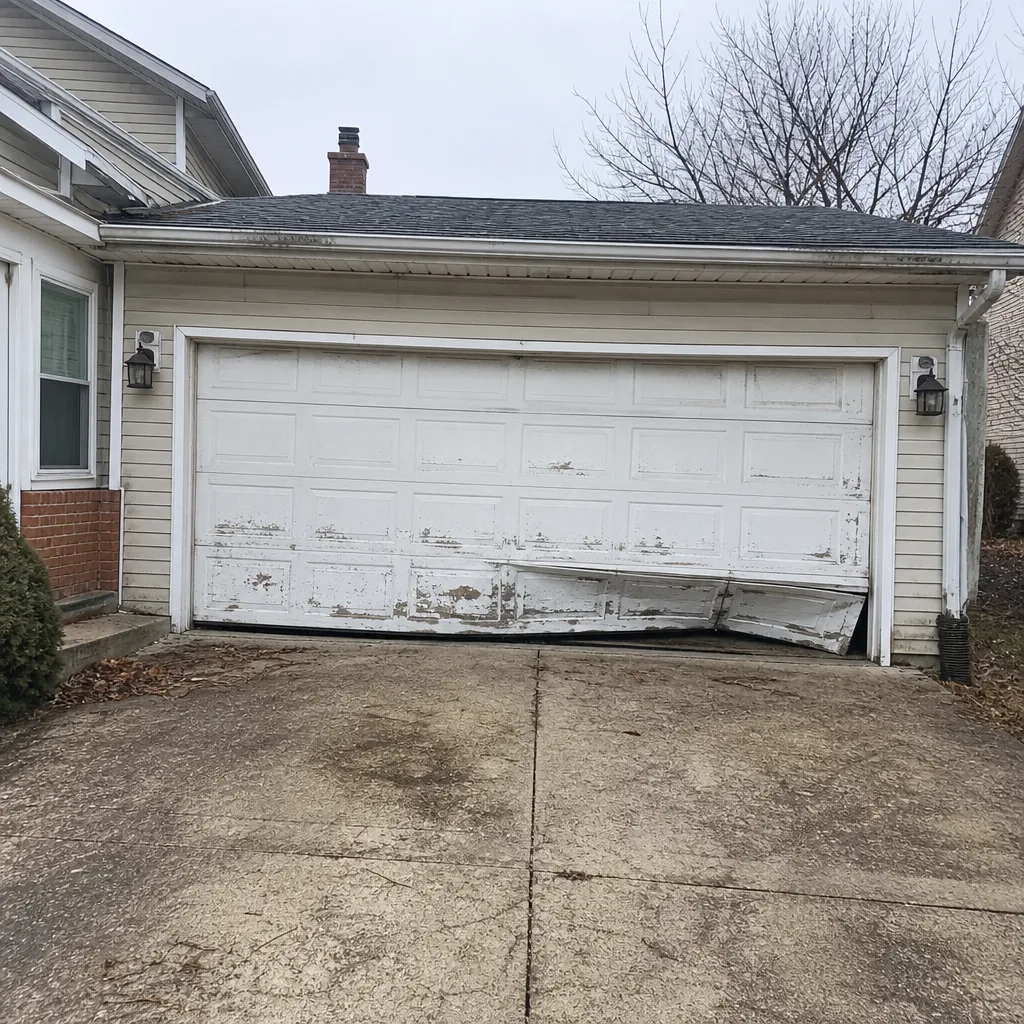 Before
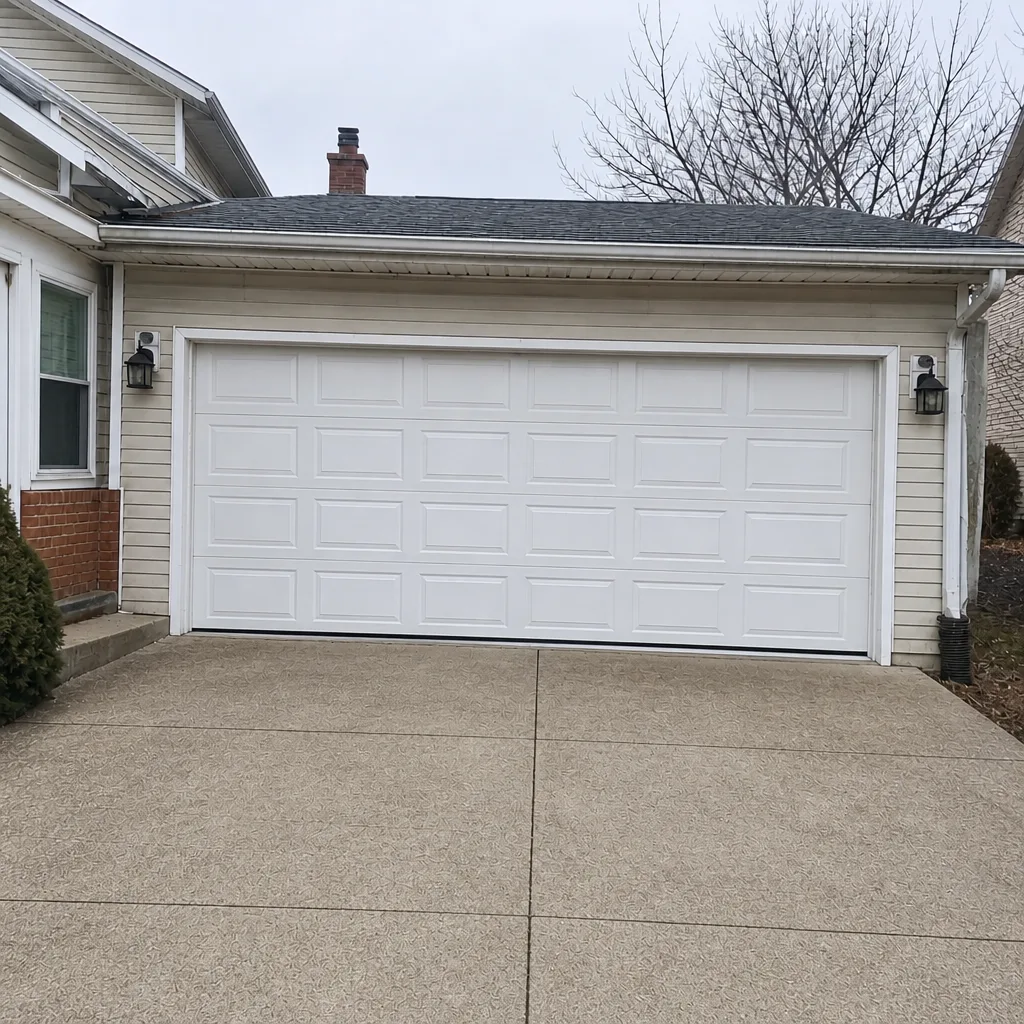 After
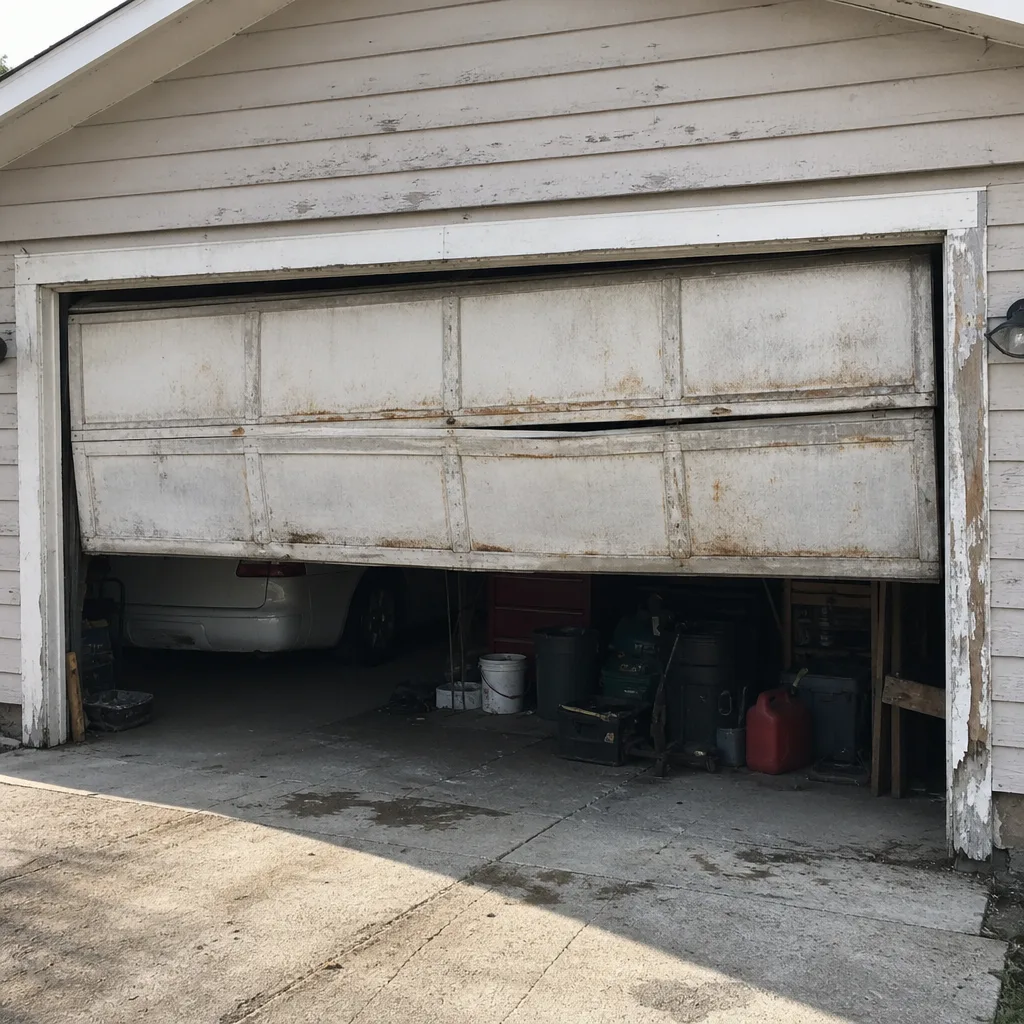 Before
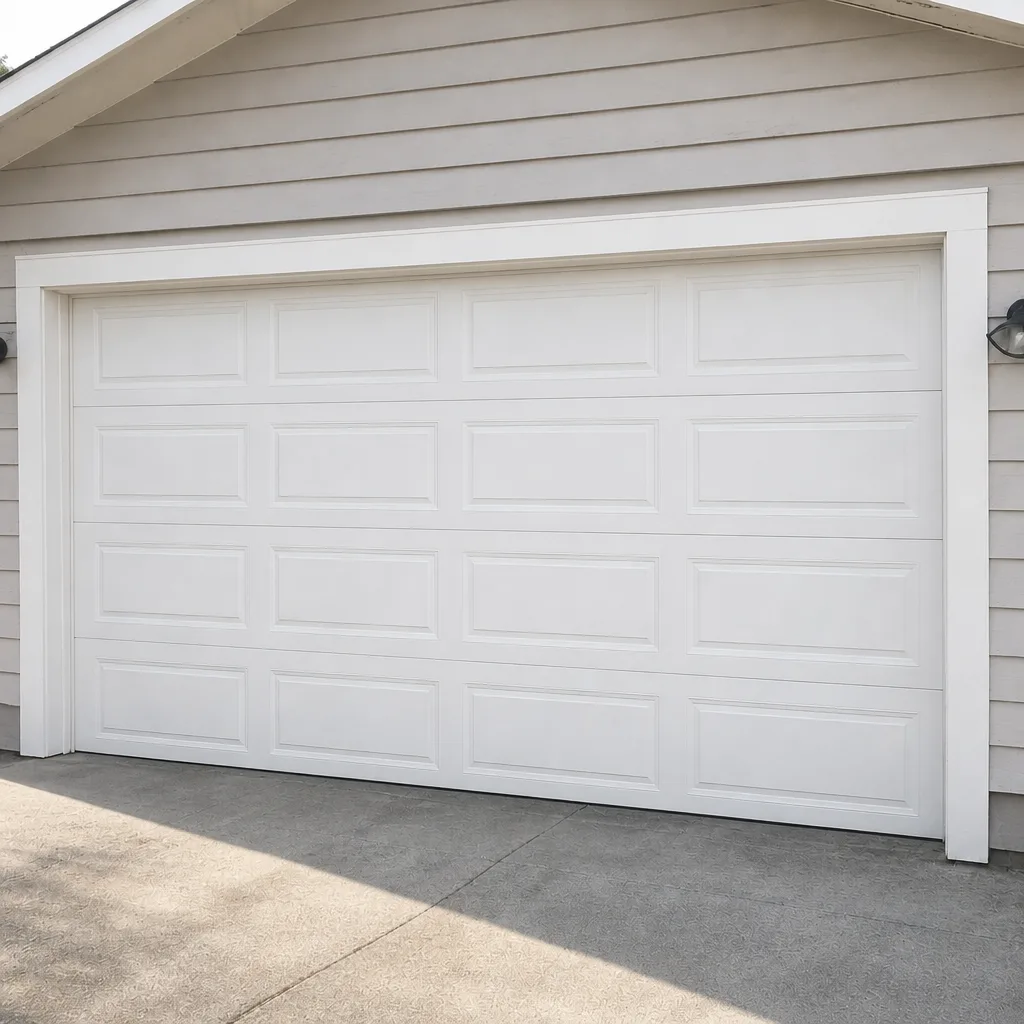 After
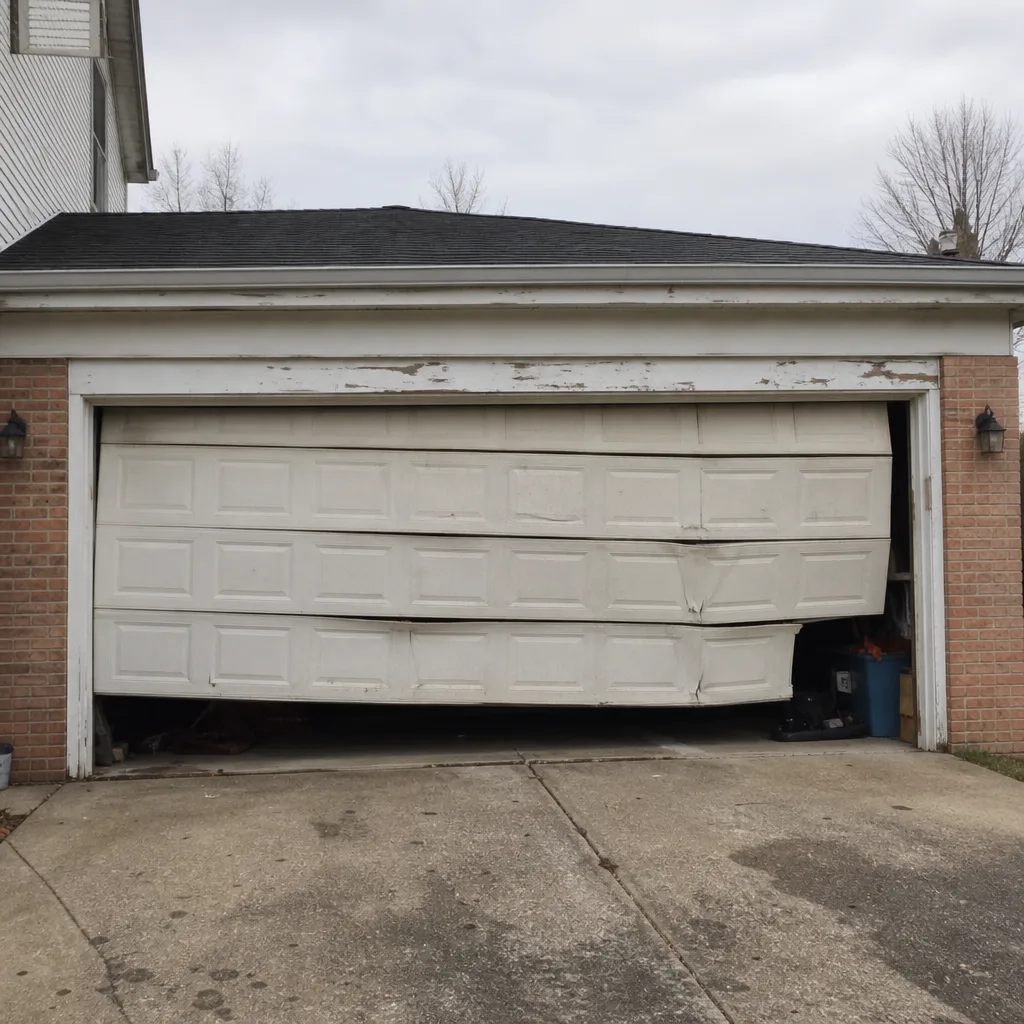 Before
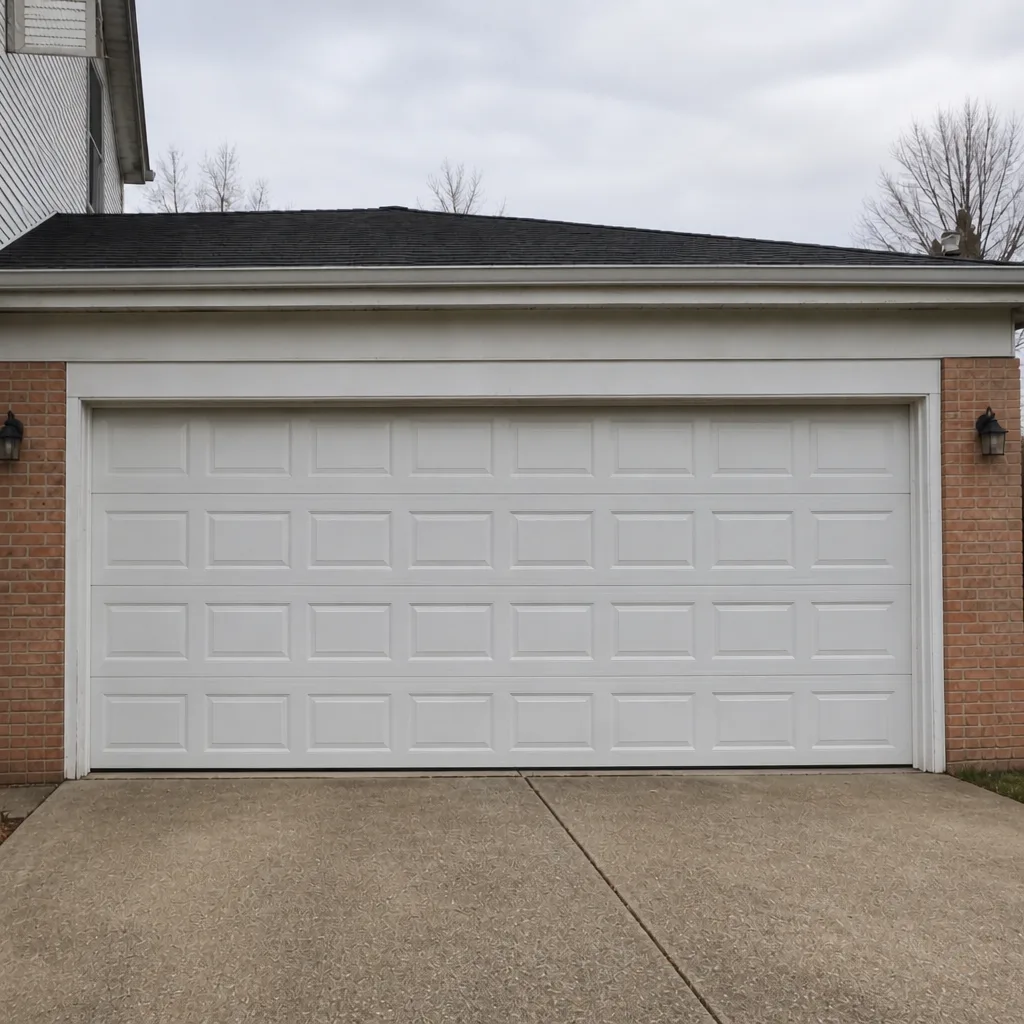 After
When to Call a Professional
Some jobs are safe to handle yourself, and some are not. Call a specialist when the door won’t open or close, when a spring has visibly snapped or lost tension, when the door is off its tracks, when the opener runs but the door doesn’t move, or when you hear grinding or popping that wasn’t there before. Any of these can leave your home open or risk injury if you keep operating the door. Spring and cable work is never a DIY job, and a door that’s out of balance puts strain on every component until it fails. Aurora Garage Door Repair Pros offers free estimates in Aurora – call (866) 947-9649. Our technicians have up to 9 years of experience, we handle urgent calls when a door can’t wait, and we quote the price before any work starts.
Frequently Asked Questions
Garage door repair in Aurora typically depends on the specific failure, so a snapped spring, a dead opener, and a damaged panel each carry a different estimate. The written estimate, quoted and agreed before work starts, is the price you’ll pay. Call (866) 947-9649 for an exact quote – estimates are free.
Yes, a door that won’t close is exactly the kind of urgent call we handle same-day when it leaves your home open or blocks access. When the door won’t move, we do, and we’ll get you back in service today if the fix is within our reach. Call (866) 947-9649 and describe what the door is doing.
Springs fail faster in Aurora because the area’s repeated freeze-thaw cycles work the steel in a torsion spring through constant expansion and contraction. That thermal cycling, plus the weight of a stiff winter door, cracks spring steel sooner than in a stable climate. It’s the single biggest reason spring repair is common here.
A replacement is more likely to need a permit than a repair, and the rule can differ between Aurora city limits and unincorporated Kane County. Ask the City of Aurora building department, or Kane County if you’re outside the city, for the requirement at your address. The written estimate will make clear what’s involved before you commit.
No – the price is quoted and agreed before any work starts, so the number in your written estimate is what you pay. If our technician finds something different once the door is open, we’ll explain it and get your agreement before any additional work. Call (866) 947-9649 for a free estimate.
The local pro we connect you with is licensed and insured as their state requires, and you should always ask to see proof before work begins. We specialize in garage doors, so springs, openers, panels, and full installs are handled by people who do this daily. Call (866) 947-9649 to set up a free estimate.
The Bottom Line
Aurora’s climate, housing stock, and permit rules shape garage door decisions in ways national guides never address. The freeze-thaw cycle ages spring steel faster, so balance and seasonal care matter more than most homeowners realize. Match a replacement door to your home’s era, settle the permit question with the city or Kane County before you order, and never treat a failing spring as a DIY job. Repair what’s isolated, replace what’s failing across the board, and always get a written price agreed before work starts. Springs, openers, panels, full installs – one call covers it all.
Call (866) 947-9649 for a free estimate in Aurora.
Written by the team at Aurora Garage Door Repair Pros.