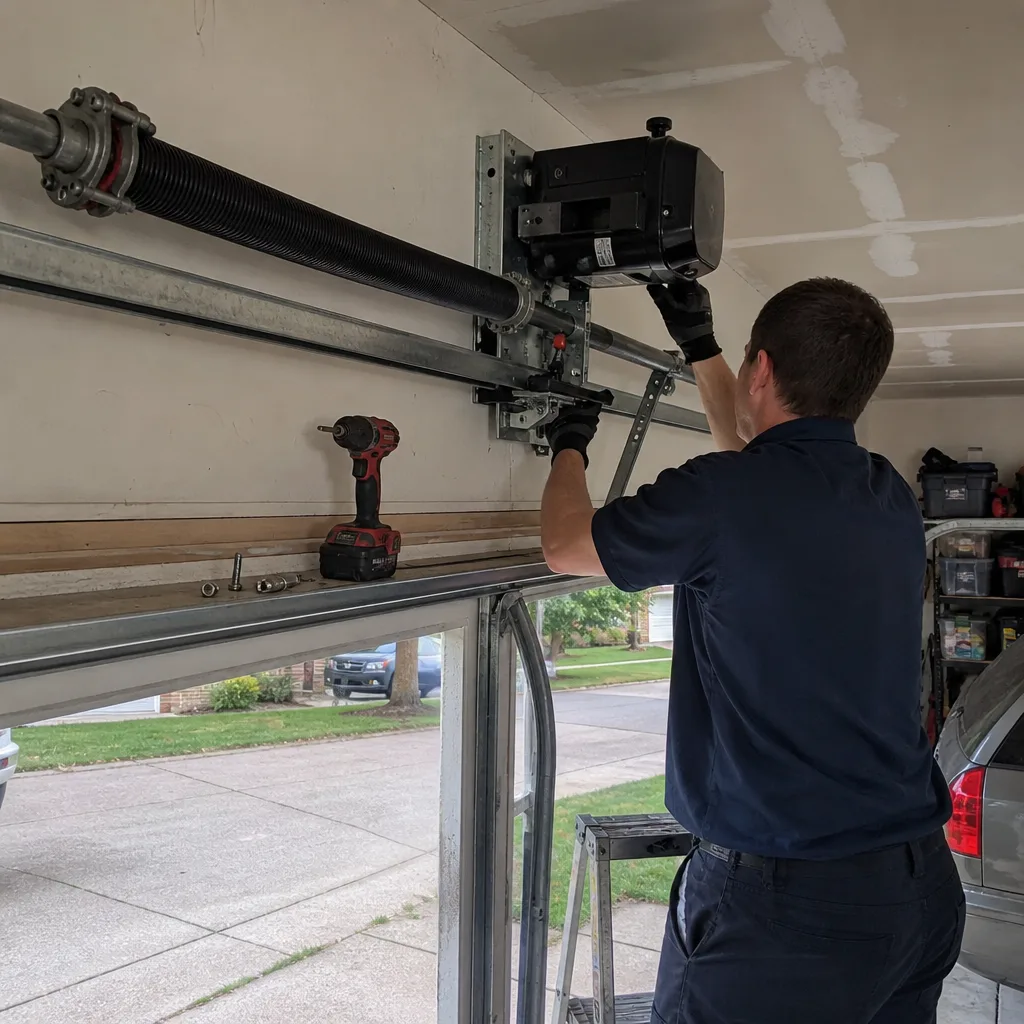
Last updated November 23, 2026
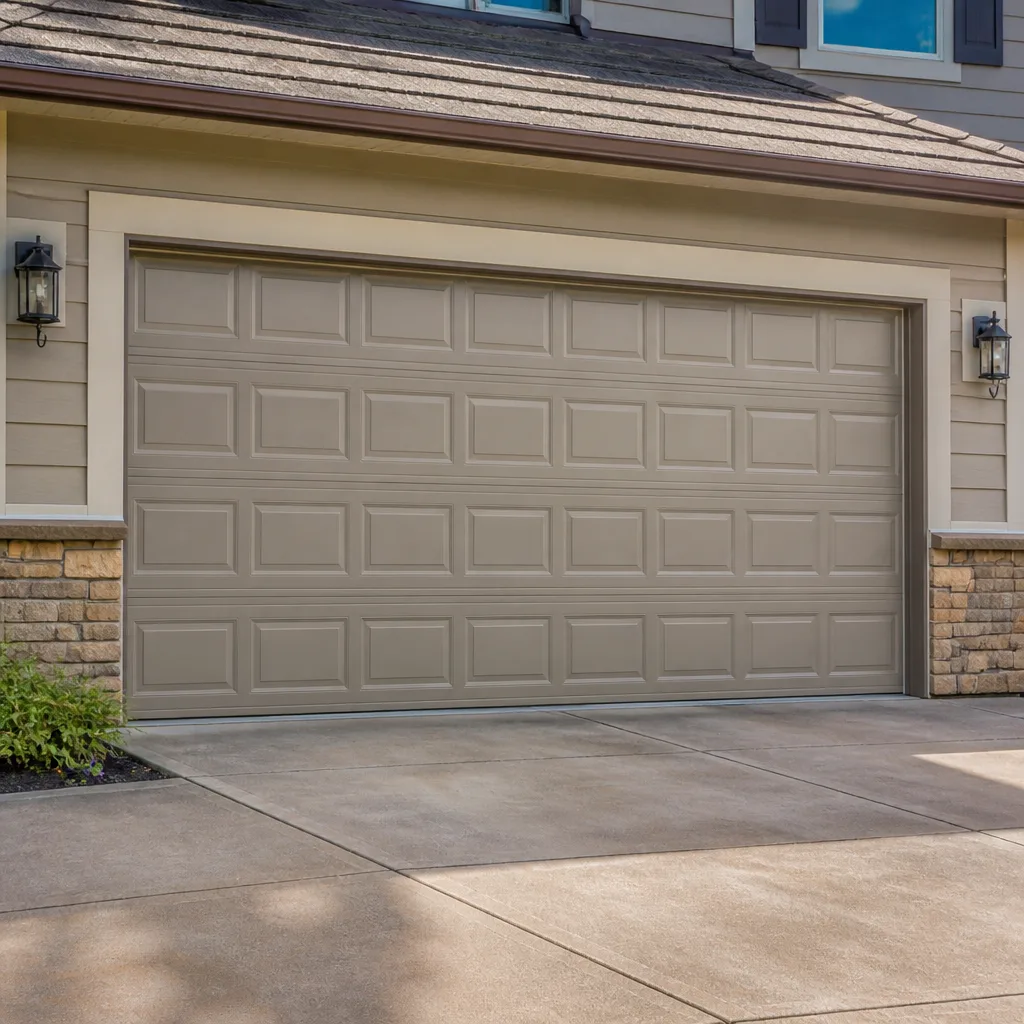 Raised-panel steel
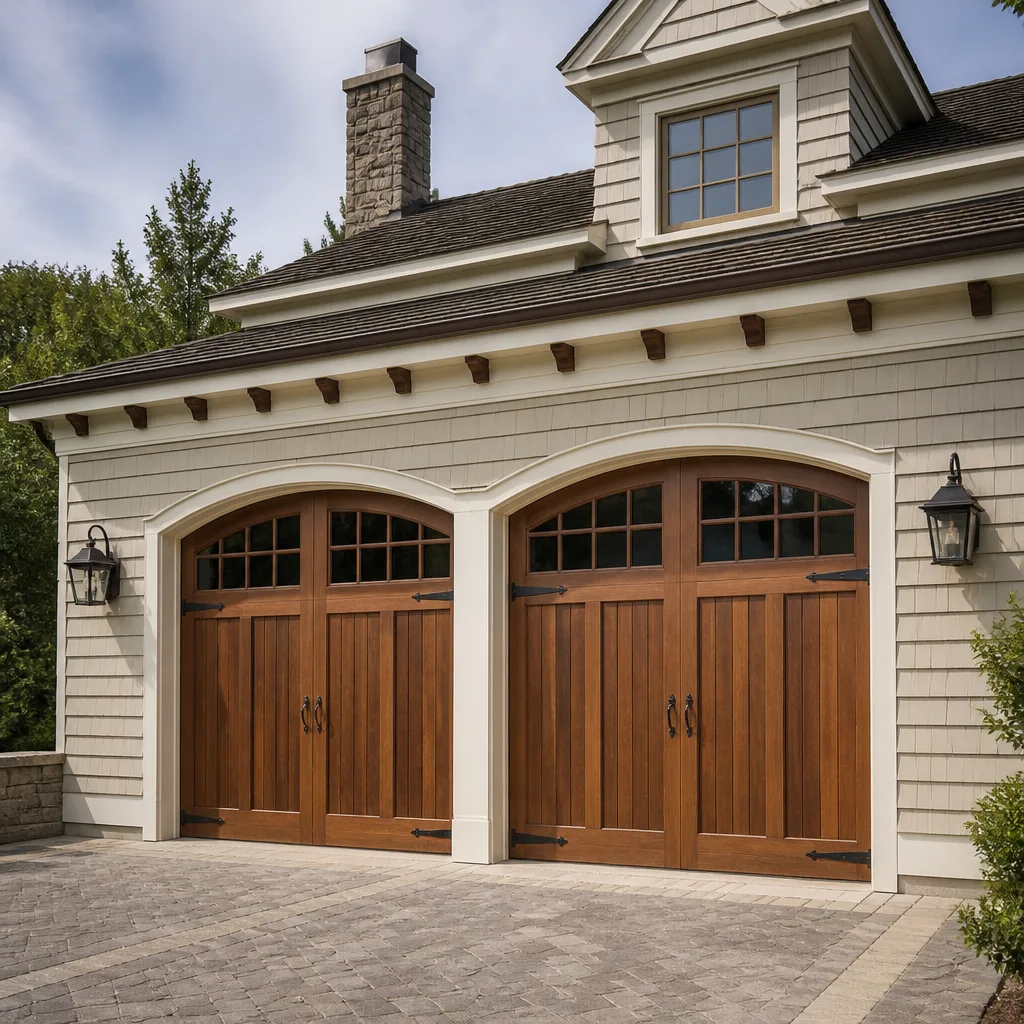 Carriage house
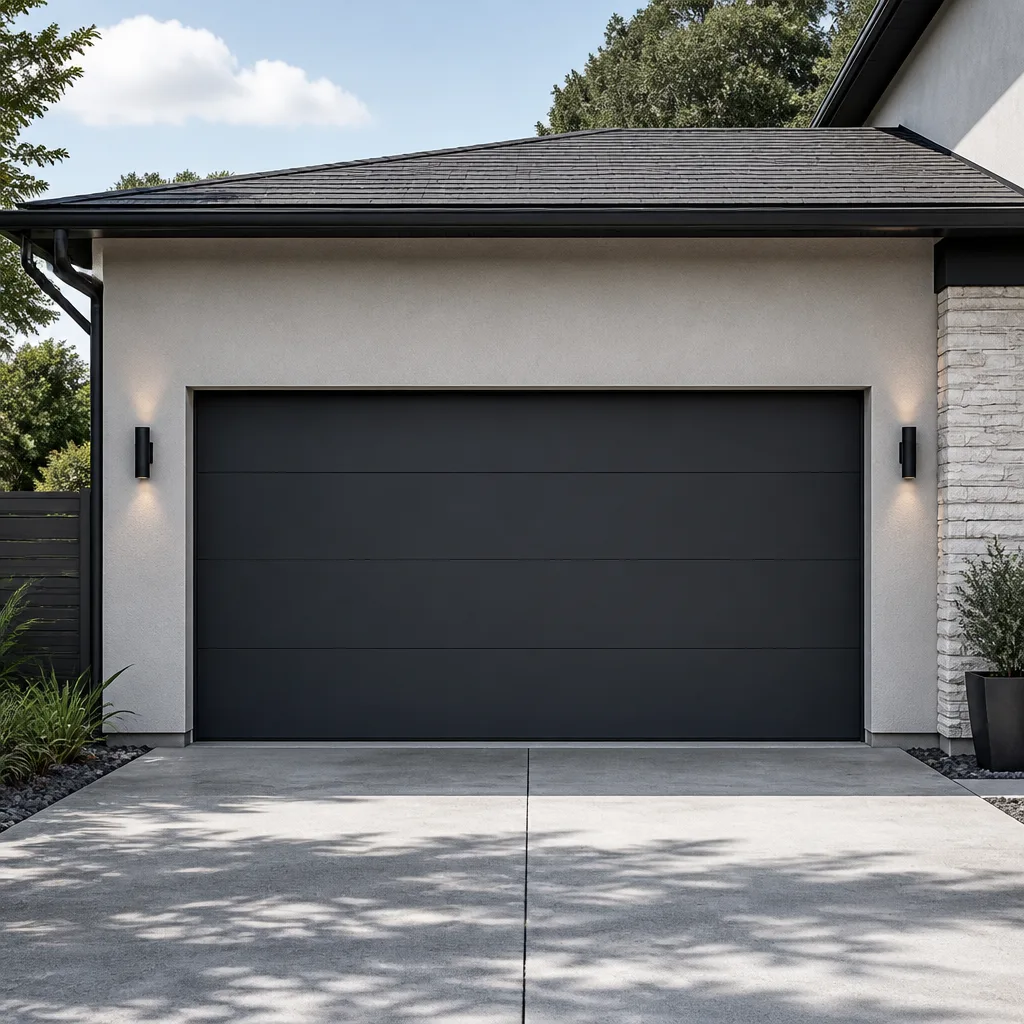 Modern flush
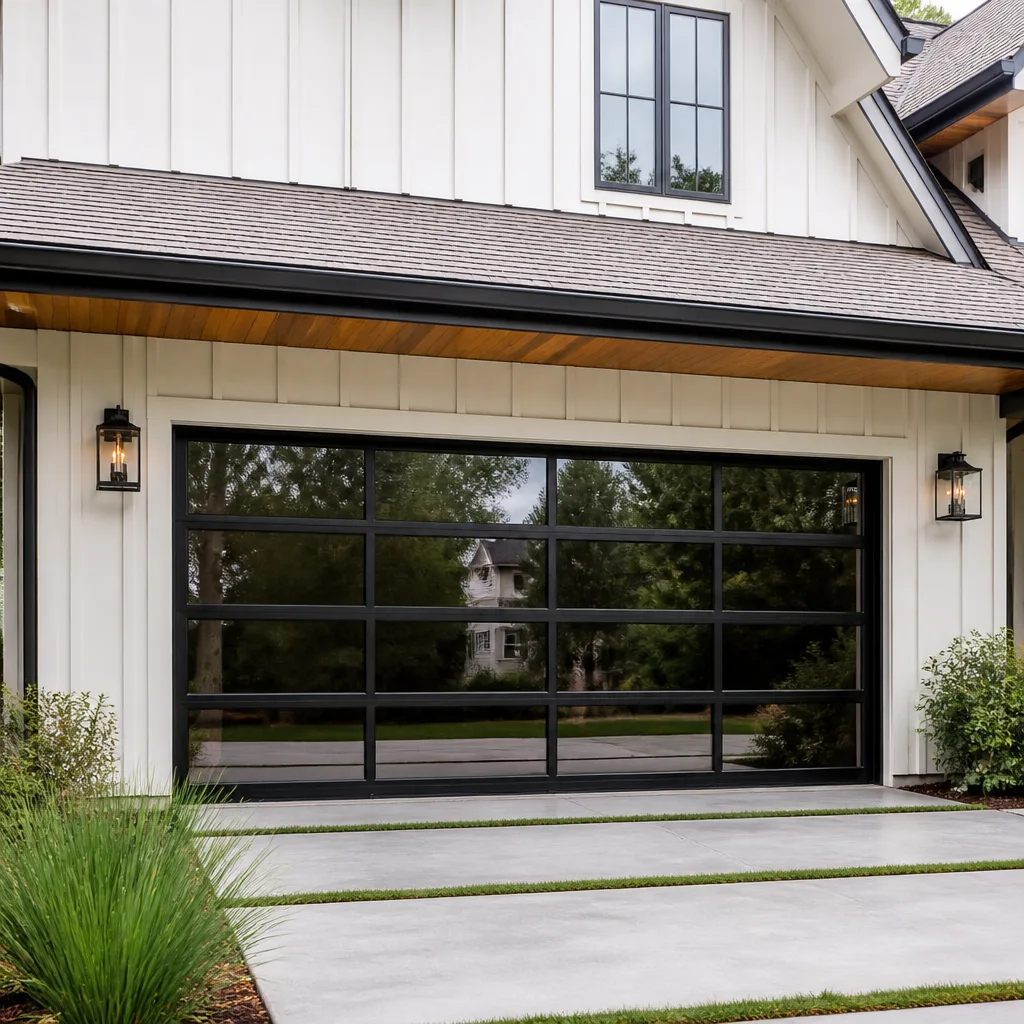 Full-view glass
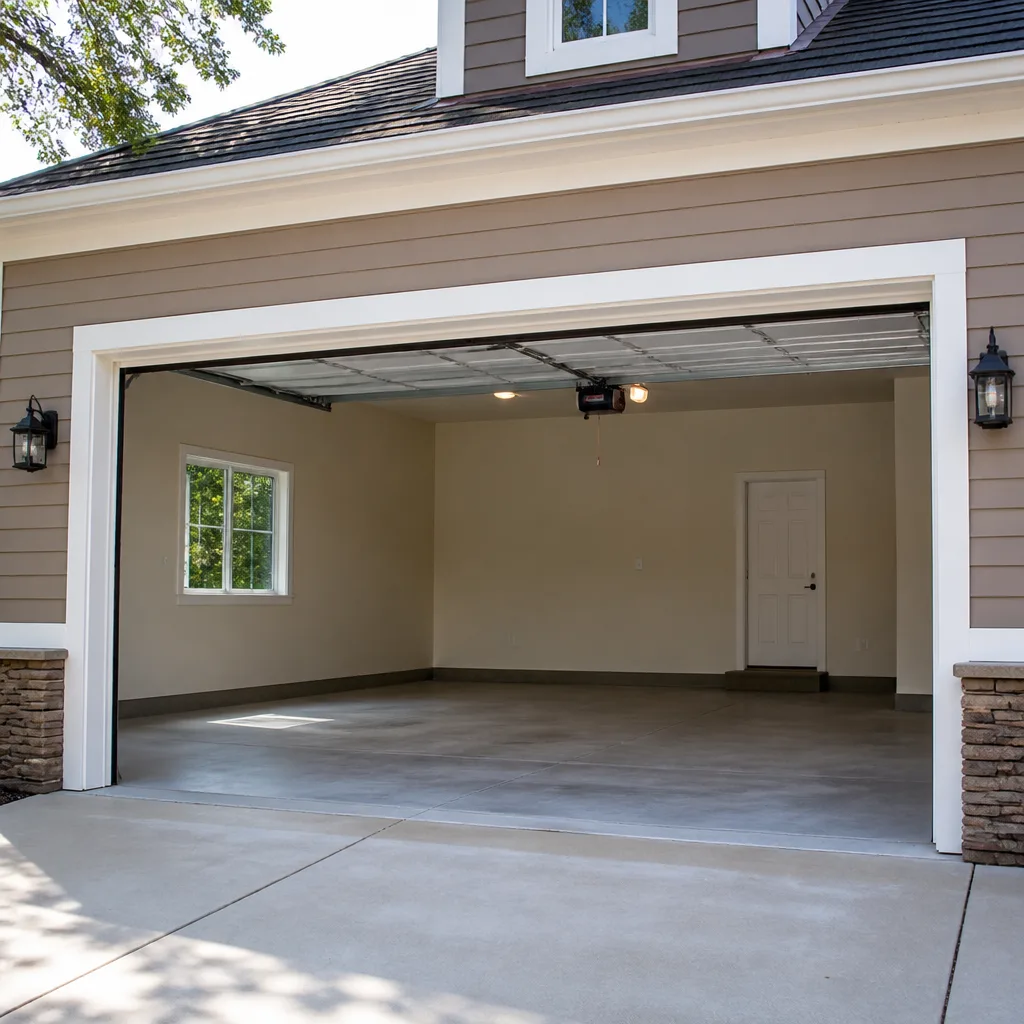 LiftMaster openers
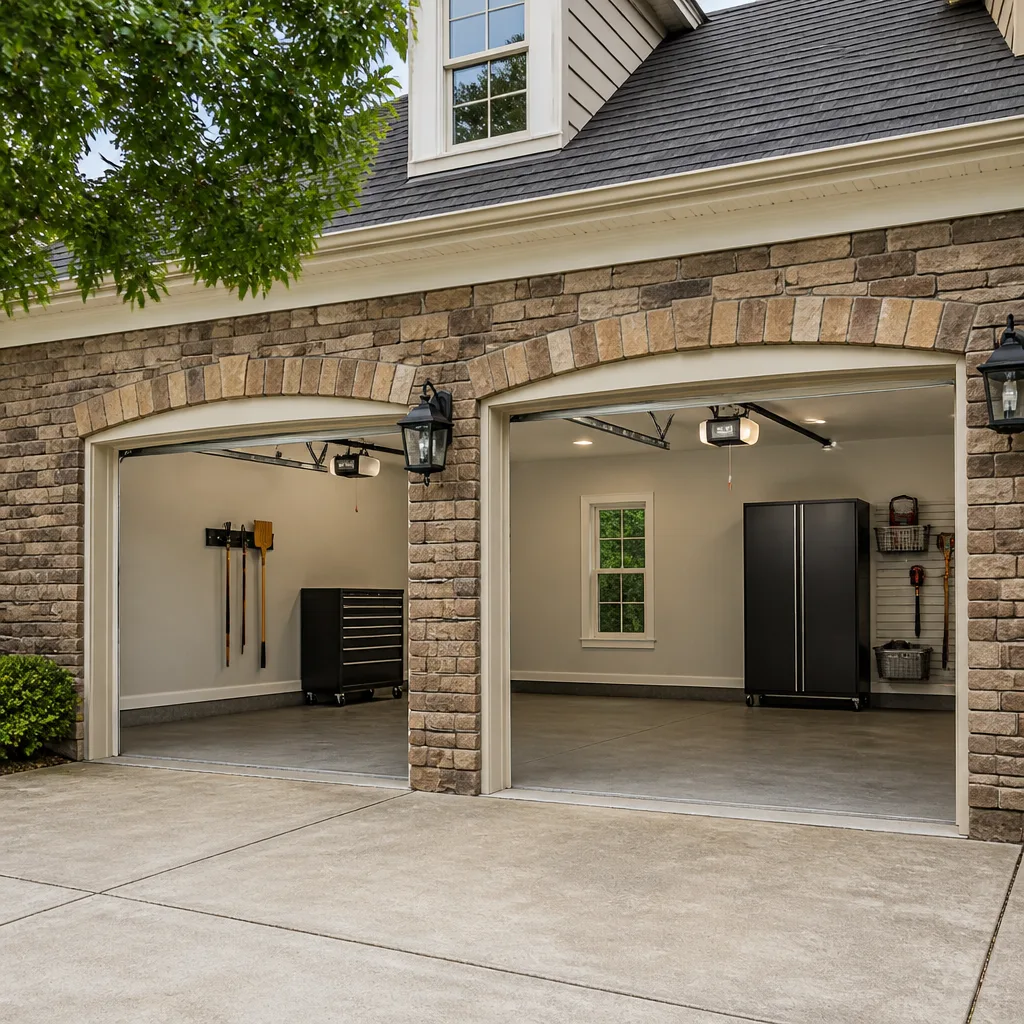 Chamberlain openers
Full 25-point door and opener safety check with every visit - springs, cables, rollers, tracks, and your LiftMaster or Chamberlain opener included
You get a price before we start. It does not change when the pro arrives.
Get your free estimateGarage Door Emergency Preparedness Guide for Aurora Homes
Most garage door emergencies get worse in the first ten minutes, and it’s almost never the homeowner’s fault. It’s a knowledge gap. Nobody hands you a manual when you buy a house with an overhead door on it, and nobody explains that the red cord hanging from the opener rail can either free your car or drop a hundred-plus pounds of steel if you pull it at the wrong moment. A snapped torsion spring at 7am in January, with the car trapped inside and a commute waiting, turns that gap into a real problem fast.
This guide covers what actually counts as an emergency in Aurora, what to do and what to leave alone in the first minutes of a failure, how to secure a garage that won’t close on a cold night, and exactly what to tell a dispatcher so the technician shows up with the right parts. Read it once now, before you need it.
Quick Answer
A garage door emergency in Aurora means your car is trapped, your home is left unsecured because the door won’t close, or someone is at risk of injury. For a broken spring or cable, don’t run the opener and don’t prop the door. For a door stuck open, disconnect the opener and lower the door by hand or brace it securely before calling for help. Call (866) 947-9649 and describe the exact symptom so the technician arrives prepared.
Styles & brands we work with
- Raised-panel steel
- Carriage house
- Modern flush
- Full-view glass
- LiftMaster openers
- Chamberlain openers
Table of Contents
- What Counts as a Garage Door Emergency?
- How Do You Use the Emergency Release Cord Safely?
- What Should You Do in the First 10 Minutes of a Spring or Cable Failure?
- How Do You Secure a Garage That Won’t Close on an Aurora Winter Night?
- What Should You Tell an Emergency Dispatch Technician?
- How Does Aurora Weather Change Your Garage Door’s Risk Profile?
- What Belongs in a Garage Door Emergency Kit?
- Common Mistakes to Avoid
What Counts as a Garage Door Emergency?
A true emergency is a situation where waiting until a scheduled appointment creates a security, safety or access problem you can’t absorb. Everything else is urgent but manageable, and knowing the difference helps you decide whether to call now or book a same-day visit. In our experience across Aurora, homeowners tend to panic on the wrong problems and shrug off the right ones.
These situations are genuine emergencies:
- Your car is trapped inside and you need it now. A broken spring or a dead opener with no manual override leaves you stranded, and that’s a real dispatch call.
- The door won’t close and your home is open to the street. On an Aurora winter night, an unsecured garage is a security problem and a frozen-pipe risk if the garage buffers any living space.
- The door is hanging off its tracks or partially collapsed. This is a safety hazard. Keep people and vehicles clear.
- A cable has snapped and is whipping loose. Cables are under extreme tension. Stop using the door immediately.
- Someone is pinned or injured. Call 911 first. Garage door repair comes second.
These are urgent but rarely emergencies:
- A noisy door, a slow opener, or a remote that’s stopped pairing.
- A single broken roller, a bent hinge, or a dented panel that still allows the door to seal.
- A safety sensor that’s misaligned (often a quick fix you can check yourself before calling).
- Cosmetic wear, weatherstripping that’s worn thin, or a light that’s burned out on the opener.
If you’re not sure which category your problem falls into, call and describe it. A technician can tell you in a minute whether it can wait until the next scheduled slot. Our garage door repair team handles both urgent and scheduled work, and there’s no charge to ask.
How Do You Use the Emergency Release Cord Safely?
The red cord hanging from your opener rail disconnects the door from the motor so you can lift it by hand. Pulled correctly, it gets your car out. Pulled at the wrong moment, it can let the door slam down, and that’s the part nobody warns you about. The rule is simple: never pull the cord while the door is open or in motion, and never pull it when there’s a broken spring.
Here’s the correct sequence when the door is fully closed and you need to get a car out:
- Stand clear of the door. Keep children and pets out of the garage.
- Confirm the door is completely closed. If it’s even partly open, do not pull the cord yet.
- Pull the red handle straight down and toward the back of the garage, not straight toward yourself. You’re releasing the trolley from the carriage.
- Lift the door slowly by hand using the bottom section, keeping your body to one side and your fingers away from the panel joints.
- Lift with a firm, steady push. A balanced door should rise with moderate effort. If it feels extremely heavy or won’t stay up, stop. A failed spring means the door has no counterbalance and it can drop without warning.
- Once the door is up, brace it if you must leave it open. A brace, a stepladder under the bottom section, or another adult holding it is better than trusting it alone. Then move the car out.
Two situations where you should not pull the release cord:
- When a torsion spring has visibly snapped. The door is unbalanced and can fall hard. Leave it closed and call for service.
- When the door is already open or the opener is mid-cycle. The door can slam down with the full weight of the panels. Pulled wrong, this is the most common way people get hurt at home with a garage door.
If you’re not sure whether your setup is safe to release, call us and walk through it with a technician before you touch the cord. That call is free and takes two minutes.
What Should You Do in the First 10 Minutes of a Spring or Cable Failure?
Springs and cables store enormous energy. A torsion spring that snaps can sound like a gunshot, and a failing cable can whip. What you do in the first ten minutes is mostly about what you don’t do. Protect people, protect property, and stop using the door.
Do these things right away:
- Keep everyone away from the door. No one should be under it, near it, or trying to force it.
- Stop pressing the opener button. Not once, not “just to see.” Running the motor on a door with no spring or a broken cable can damage the opener and twist the door panels.
- Unplug the opener if the door is in a position where accidental activation is a risk.
- Clear the area underneath in case anything drops. Move bikes, boxes, and the trash bins back.
- Take photos of what you see. A snapshot of the broken spring or the loose cable helps the technician identify the exact part before arrival, and it’s helpful if you work with your insurer later.
- Call a specialist. This is not a job for a general handyman. Spring replacement requires the correct matched parts for your door’s weight and brand, and the wrong spring will wear out in months or damage the door.
Do not do these:
- Don’t try to wind, unwind, or “reset” a torsion spring yourself. The stored energy can cause serious injury in a fraction of a second, and no amount of online video changes that.
- Don’t try to lift the door by hand if a spring has failed. It’s far heavier than it looks now that the counterbalance is gone.
- Don’t yank the release cord hoping to free the car. If the spring is gone, the door can drop.
- Don’t tape, wedge, or otherwise jam the door in an open position while waiting for repair. A proper brace is different from a hack.
Our garage door spring repair specialists see these failures regularly in Aurora, and the jobs where the homeowner stopped and called are always simpler than the ones where the opener ran a few more cycles on a broken spring. For the mechanical how-it-works side, the technician handles the diagnosis; your job is to keep the door out of use.
How Do You Secure a Garage That Won’t Close on an Aurora Winter Night?
A door that won’t close leaves your home open to the street, and in Aurora that’s a bigger problem in the cold months because of what a wide-open garage does to pipes and to your heating bill. The goal is to get the door down and latched within an hour or two, even if it’s not a permanent repair. Here’s what actually works when you can’t get an immediate service visit.
First, check the usual suspects. Before assuming it’s a mechanical failure, rule out the cheap fixes:
- Look at the safety sensors near the floor on both sides of the door. If one is bumped or misaligned, the door won’t close. Straighten them and try again.
- Look at the tracks near the floor. If something is wedged in the track, the door will reverse.
- Clear any snow or ice buildup at the threshold. A frozen threshold stops the door from sealing and can trigger the opener to reverse.
- Check the manual lock or slide bolt if your door has one. If it’s engaged, the opener can’t pull the door down.
If none of that works, here are the temporary options that actually hold:
- Disconnect the opener and lower the door manually. Pull the release cord (with the door closed, per the rules above) and lower the door by hand onto the sill. Once down, it’s much harder to open from outside.
- Add a manual lock or bolt on the inside. This secures the door against casual entry from the street even if the opener is dead. It’s a temporary measure and it will need to come off before any service visit.
- Brace the door with a door brace or a heavy bar across the inside. A cut-to-length wooden 2×4 laid flat across the interior track is a common fallback. Do not wedge anything that could fall on a person.
- Call for emergency service. If the door is fully open and won’t come down, or if you can’t secure it from inside, that’s an emergency call, and it’s the right one to make.
Don’t leave a door partially open overnight “to see if it settles.” It won’t, and a half-open overhead door is a security gap and a wind hazard. If your car isn’t inside it, get it closed and locked as best you can and call in the morning. If it’s already evening and the door is up, call now. Our garage door opener repair team can talk you through the fastest safe option before you commit to a temporary fix.
What Should You Tell an Emergency Dispatch Technician?
The information you give on the phone is what determines whether the technician shows up with the right parts and gets you back in service in one visit instead of two. Most second-trip calls come down to a missing brand or an unclear symptom. Have these answers ready before you call, and you’ll shave time off the repair.
What to have ready:
- The brand of the door and the opener if you know it. LiftMaster, Chamberlain, Genie, Clopay and other major brands all have their own parts tolerances, so naming the brand helps. If you don’t know, look for a sticker on the inside of the door or on the opener motor housing.
- What happened, exactly. “It made a loud bang and then the door wouldn’t lift” points to a spring. “The door reverses as soon as it gets near the floor” points to sensors or travel limits. “The opener hums but nothing moves” points to a stripped gear or a dead motor.
- Whether the door is up, down, or stuck partway. This changes what tools and parts the technician needs.
- Whether the door is stuck in an open or closed position. If your car is trapped, say so first.
- The age of the door, if you know it. Not to date the company, but to help identify the part spec. A door’s age comes from your own records or the model sticker.
- Your address and gate or access info. Aurora homes range from alleys off the main streets to tight suburban driveways, and the technician needs to know how to reach you.
What not to do on the call:
- Don’t guess the brand if you’re not sure. “I think it’s a Genie” when it’s a Chamberlain can cost the technician a trip. Read the sticker if you can.
- Don’t downplay the symptom to save money. “It’s just a bit stuck” when the spring has snapped means the technician checks for a small fix and finds a major one.
- Don’t accept a service visit without asking what the minimum charge is and whether the quote will be written before work starts. With us, the price is agreed in writing before any work begins. No surprises on the invoice.
For a full breakdown of what an emergency visit can involve, see the Aurora Garage Door Repair Pros overview of services. If you’re not sure whether you need emergency service or a scheduled visit, ask on the phone and we’ll tell you straight.
How Does Aurora Weather Change Your Garage Door’s Risk Profile?
Garage doors fail more often in Aurora in the cold months than in the summer. It’s not a mystery. Metal contracts in cold, lubricant thickens, and every seal on the door has to fight ice and snow. If your door is on the older side and you haven’t looked at it since fall, a January failure is more likely than a June one. A few things you can check yourself before the temperature drops will reduce your odds of an emergency call.
Before the first hard freeze in Aurora:
- Lubricate the moving parts. Rollers, hinges, and the spring coils benefit from a garage-door-rated lubricant. This is a check-and-lube job, not a disassembly. If you’re not comfortable near the springs, leave it to a technician.
- Check the weatherstripping along the bottom. A worn bottom seal lets cold air and moisture in, and moisture freezes at the threshold, which is the most common cause of a door that won’t close in winter.
- Test the reverse settings on the opener. Place a piece of 2×4 flat on the ground under the door and close it. The door should reverse on contact. If it doesn’t, that’s a safety adjustment, not a cosmetic one.
- Look at the springs and cables. This is a visual check only. If you see a gap in a torsion spring, a frayed cable, or rust on the coils, book a service visit before the first cold snap.
- Clear snow and ice from the threshold. Not a repair, but it’s the difference between a door that closes and one that reverses every time.
If you’re handy and want a deeper look at the opener side, our opener repair pages cover the common failure modes. Otherwise, a pre-winter service call in Aurora is cheap insurance. The alternative is a January emergency, and cold-weather failures tend to cluster on the same days, so getting ahead of it is worth the effort.
What Belongs in a Garage Door Emergency Kit?
A garage door emergency kit is not complicated, and it costs almost nothing to put together. Everything on this list fits in a small tote bag or a shoebox on a shelf near the door. Have one ready before you need it, and you’ll be able to do the safe fixes yourself and call in the rest without running around.
What to keep on hand:
- A flashlight that lives in the garage, not borrowed from elsewhere. A power outage during a door failure is a bad combination.
- Work gloves. A pair of heavy gloves protects your hands when lifting the door by hand and when clearing anything near the panels.
- A stepladder. To reach the release cord, the opener motor housing, and the manual override lever if your door has one.
- A brace bar. A piece of 2×4 or a purpose-made door brace that fits across the inside track. Measure before you buy.
- A manual lock or slide bolt if your door doesn’t already have one. Cheap, fast to install, and the best temporary security for a door that won’t close.
- A printed copy of this guide or a short note with the phone number (866) 947-9649 taped to the inside of the garage door frame. In the moment, you’ll want a number you don’t have to look up.
- Your door and opener model sticker info, written on the same note. Brand, model, and the year the door was installed if you know it.
- A phone charger in the garage if you don’t already have one there. You don’t want to be looking for a charger while your car is trapped.
This kit is for response and stabilization, not for repair. Springs, cables, and opener internals are all technician work. A kit like this is the reason a small problem stays small.
Common Mistakes to Avoid
- Pulling the release cord while the door is open. The door can slam down with the full weight of the panels. Only pull the cord when the door is fully closed and nothing is moving.
- Running the opener on a door with a broken spring. It’s tempting when you’re trying to get to work, but it can strip the opener gear and twist the door’s top panels, turning a spring repair into a full door replacement.
- Trying to fix a torsion spring yourself. Extreme stored energy, split-second failure modes, and no margin for error. This is one repair to always leave to a specialist, and it’s covered in our spring repair overview if you want to understand why.
- Wedge-propping an open door overnight. A brick or a box under the door is not secure, and in an Aurora winter it invites a freeze-up at the threshold. Use a proper brace or a manual lock.
- Ignoring a small symptom until it’s a failure. A noisy roller, a slow opener, or a small dent that throws the door slightly off level won’t fix itself. In cold-weather Aurora, small symptoms have a way of becoming big ones in January.
- Calling a general handyman for a spring or cable failure. Brand-matched springs and correct cable tension are specialized work. The wrong part wears out fast, and the door can fail again sooner than you’d expect.
- Waiting on a door that won’t close because the house “feels safe enough.” An unsecured garage is the step most home intruders look for, and it’s a genuine emergency when the door won’t come down at night.
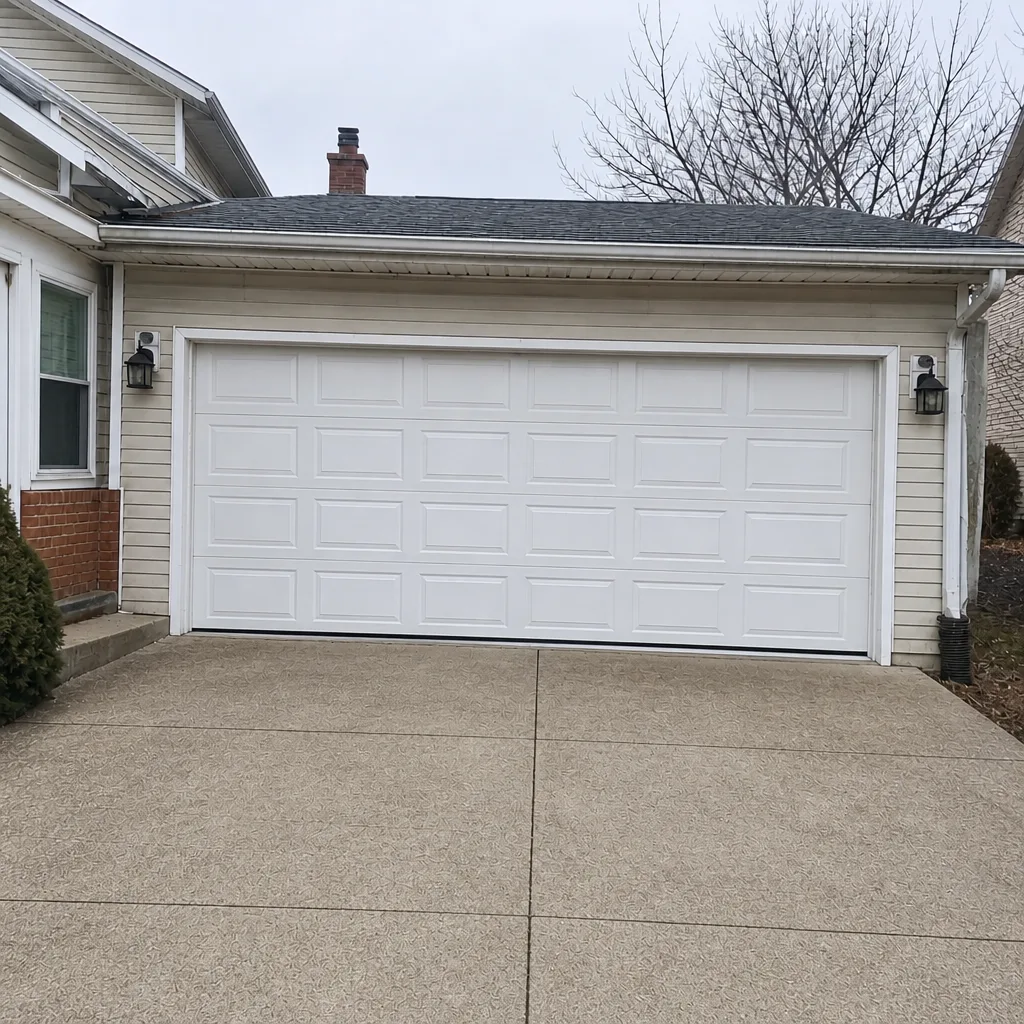
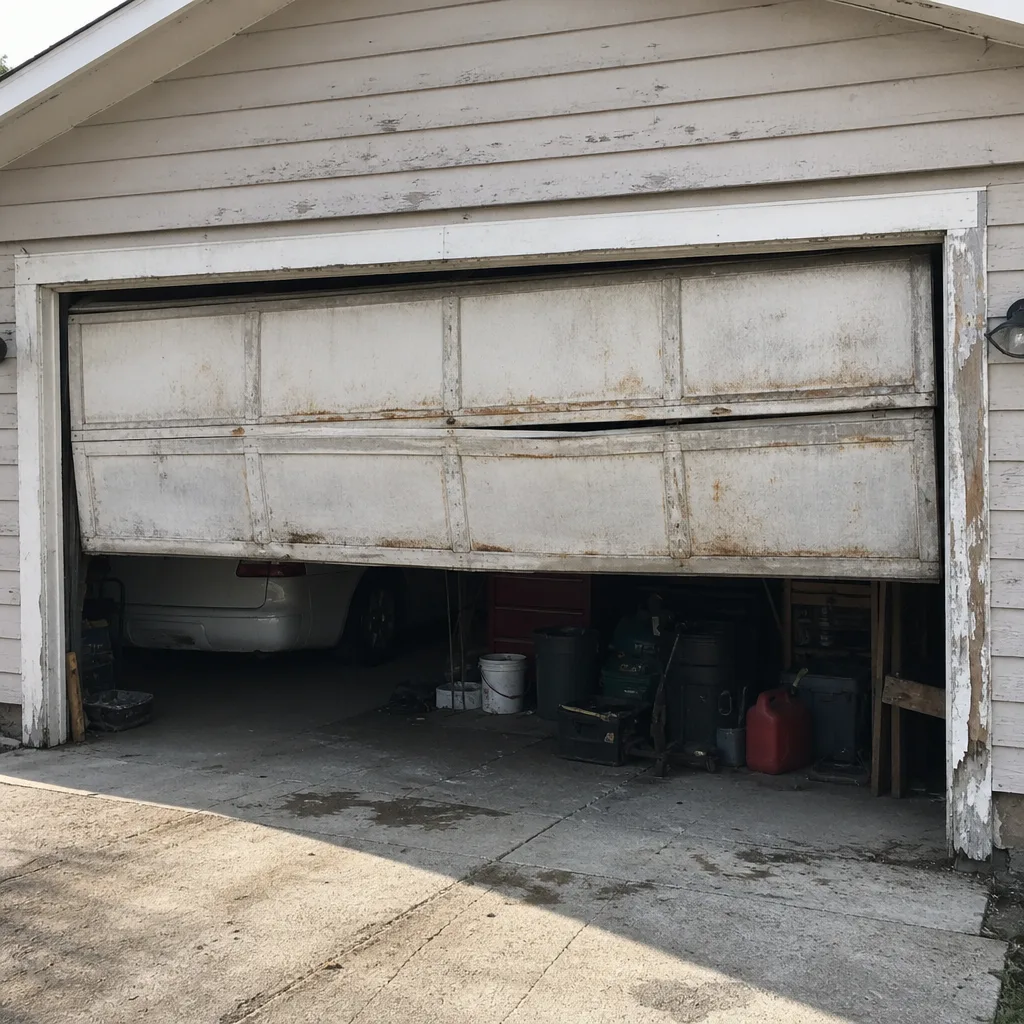
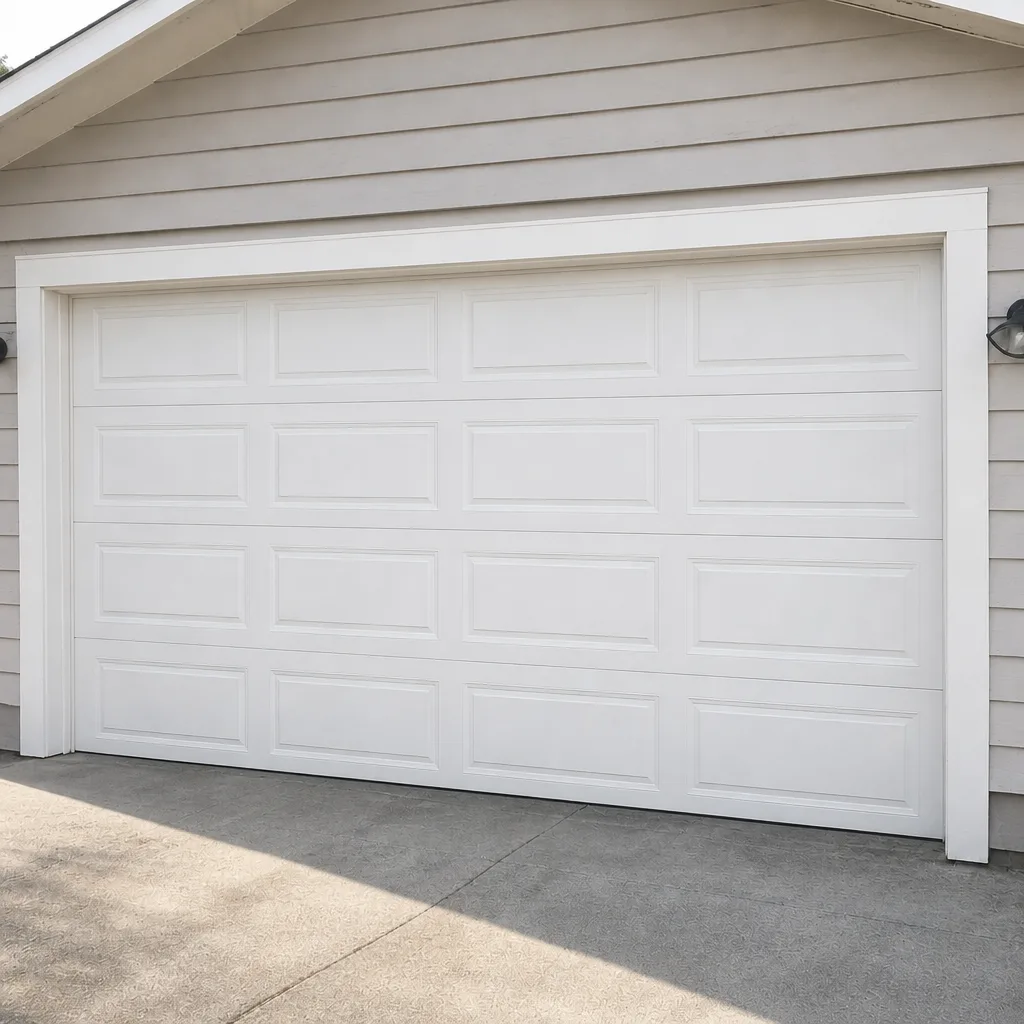
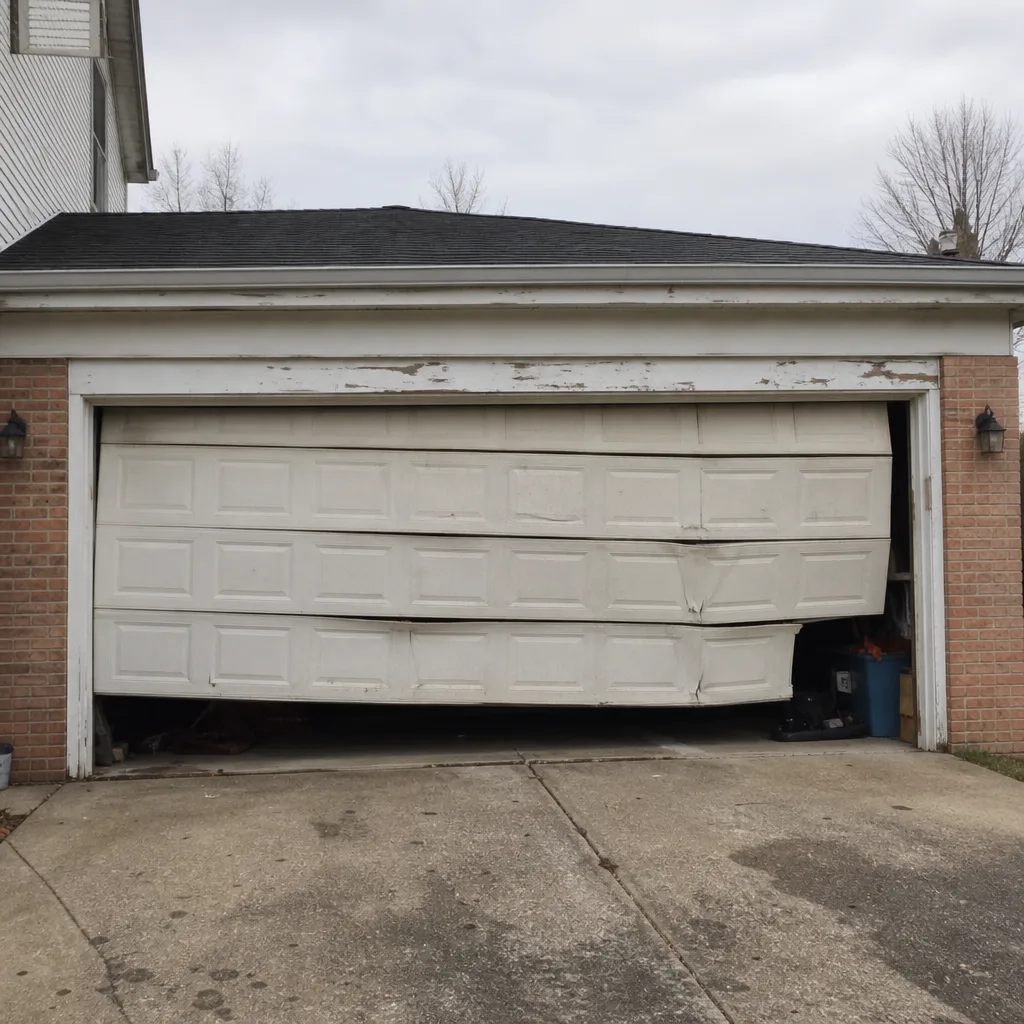
See the difference
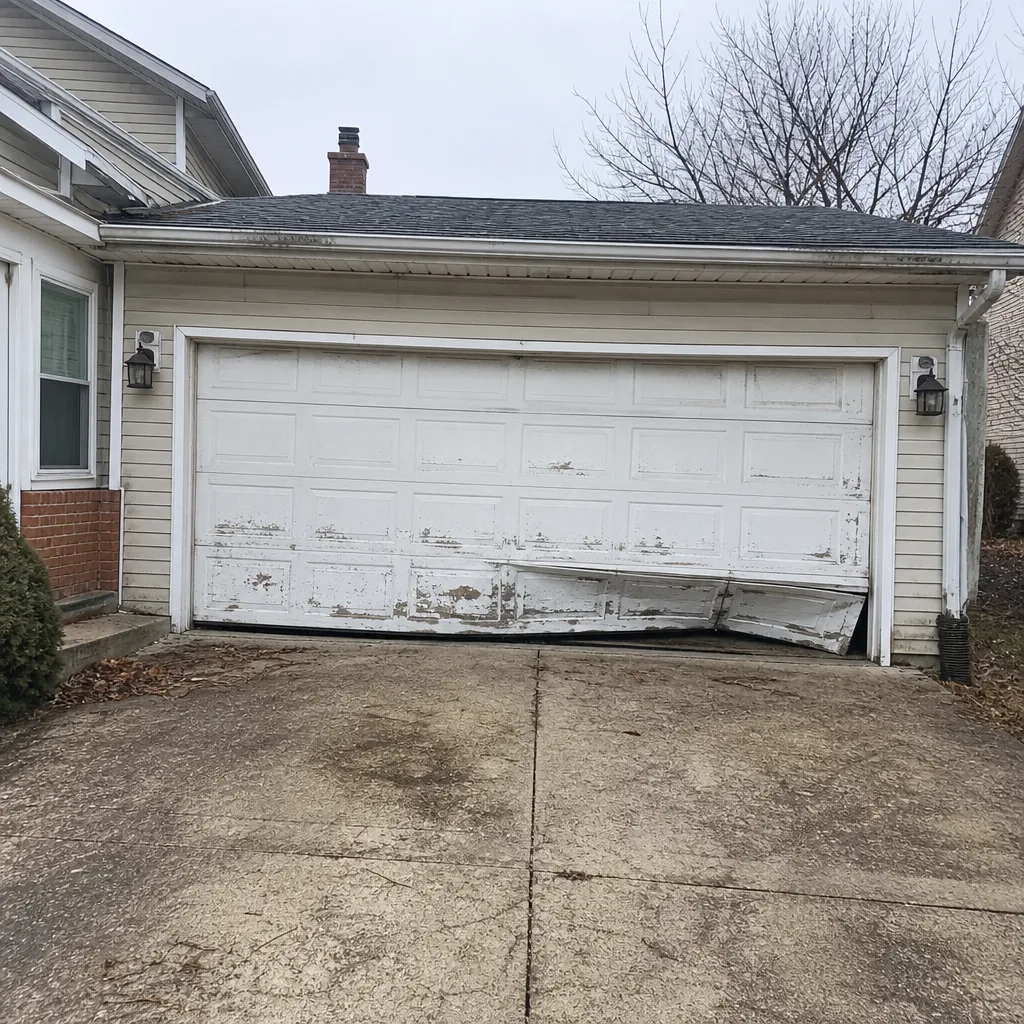 Before
 After
 Before
 After
 Before
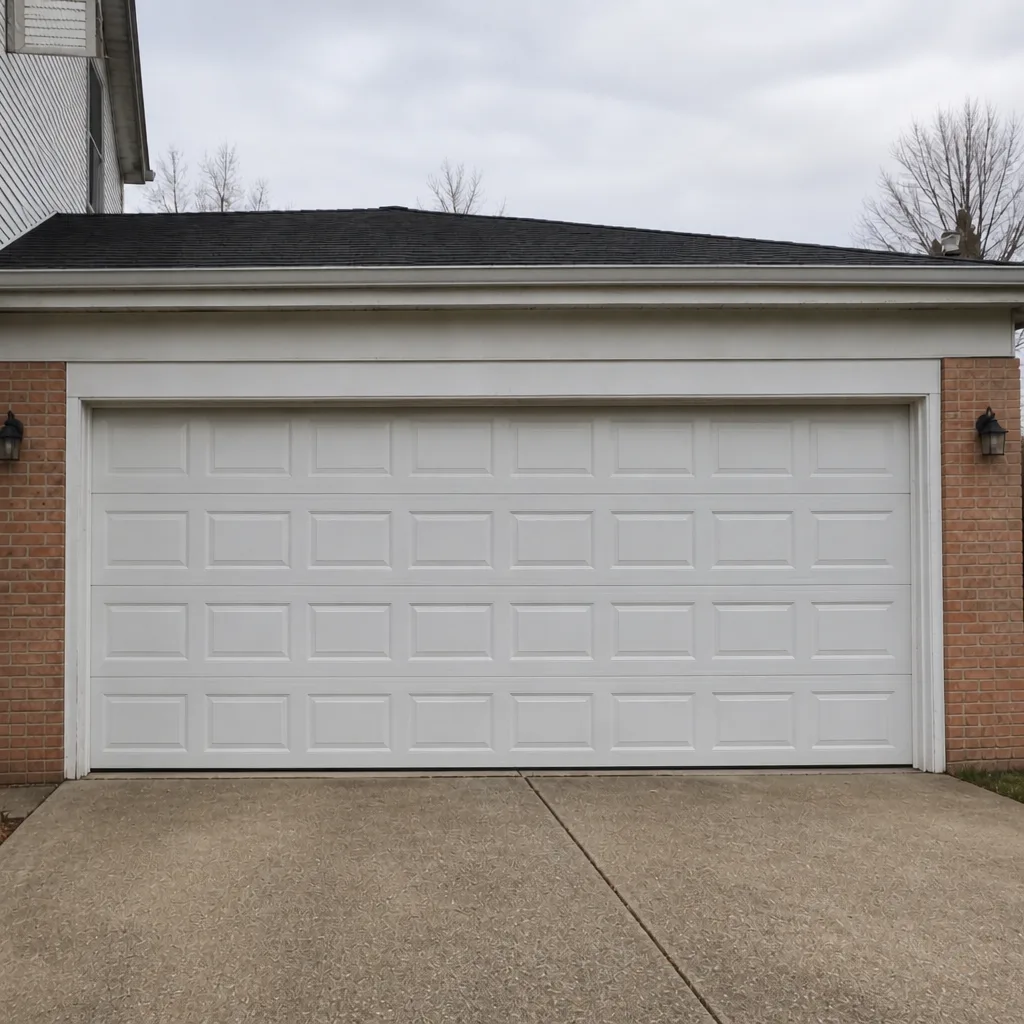 After
When to Call a Professional
Call a professional the moment you see any of these: a snapped spring, a frayed or loose cable, a door hanging off its tracks, or a door that won’t close fully when you need to secure the house. Even a door that closes but reverses partway through the cycle is a call – it means a safety sensor or limit switch is failing, and it can strand you the next time you’re in a hurry. Do not attempt to repair a torsion spring, cable, or opener motor yourself. The energy involved and the brand-specific parts make this genuinely specialist work.
If you’re experiencing a garage door emergency in Aurora and need help now, call (866) 947-9649. Aurora Garage Door Repair Pros offers free estimates in Aurora, and we’ll tell you straight whether you’re looking at an emergency visit or a scheduled repair. No pressure to book, no upsell to a new door when a repair will do.
Frequently Asked Questions
Stop using the opener immediately, keep everyone away from the door, and call a specialist. Do not pull the emergency release cord if the spring has visibly snapped, because the door can drop without warning. Unplug the opener if you can, clear the area under the door, and take a photo of the broken spring to share with the technician. Call (866) 947-9649 for an emergency visit.
Yes, but only if the door is fully closed and the springs are intact. Pull the red release cord straight down and toward the back of the garage, then lift the door slowly with your body to one side. If the door feels extremely heavy or won’t stay up, a spring has probably failed – stop and call for service. Never pull the cord with the door open or mid-cycle.
Lower the door by hand if you can, then add a manual lock or slide bolt on the inside, or brace the door with a cut-to-length 2×4 across the interior track. If the door is fully open and won’t come down, that’s an emergency call. On a winter night in Aurora, leaving a door up is a security risk and a freeze-up risk at the threshold, so don’t wait for morning.
An emergency is when your car is trapped, your home is left unsecured, or someone is at risk of injury. A same-day repair is an urgent but manageable problem – a noisy opener, a single broken roller, or a door that needs adjustment but still closes and locks. If you’re not sure which you’re in, call (866) 947-9649 and describe the symptom. We’ll tell you honestly.
Give the door and opener brand if you know it, exactly what happened and when, whether the door is up, down, or stuck partway, and whether your car is trapped. If you have your model sticker info written down, read it out. Naming the wrong brand costs a trip. Get the brand right and the technician arrives with the right parts for LiftMaster, Chamberlain, Genie, Clopay, and other major brands.
Emergency pricing depends on the specific failure – a spring, a cable, an opener, or a track issue – and the parts your door needs. With us, the price is quoted and agreed in writing before any work starts, so you know the final number before we touch the door. Call (866) 947-9649 for a free estimate on your situation.
The Bottom Line
Garage door emergencies in Aurora get worse when homeowners don’t know the basic moves: when to use the release cord, when to leave it alone, and when to stop pressing the opener button. A broken spring, a failed cable, or a door that won’t close at night all follow the same rule – stop, secure, and call a specialist. Keep a small emergency kit on hand, know your door and opener brand, and have our number saved. Our technicians have up to 9 years of experience, and we only do garage doors, which means we do them right. Call (866) 947-9649 for a free estimate.
Written by the team at Aurora Garage Door Repair Pros.