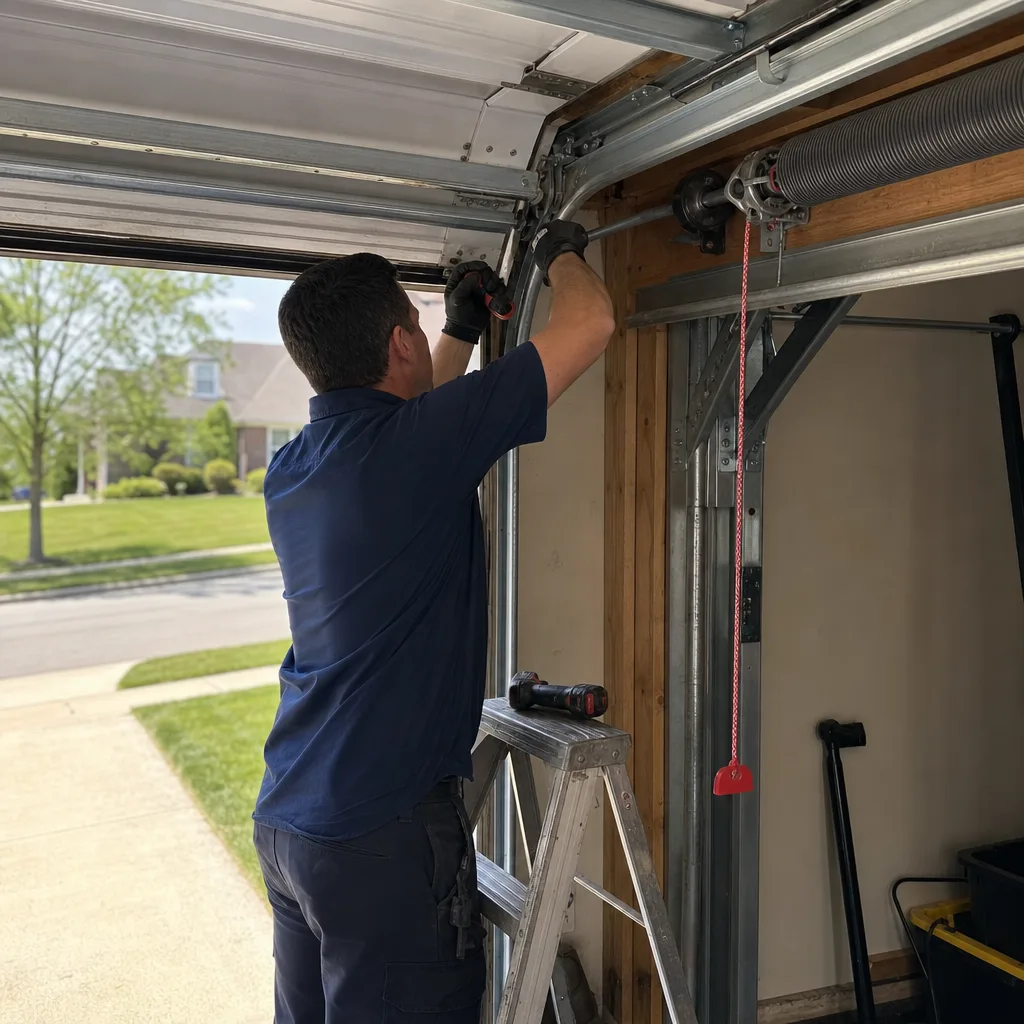
Last updated November 23, 2026
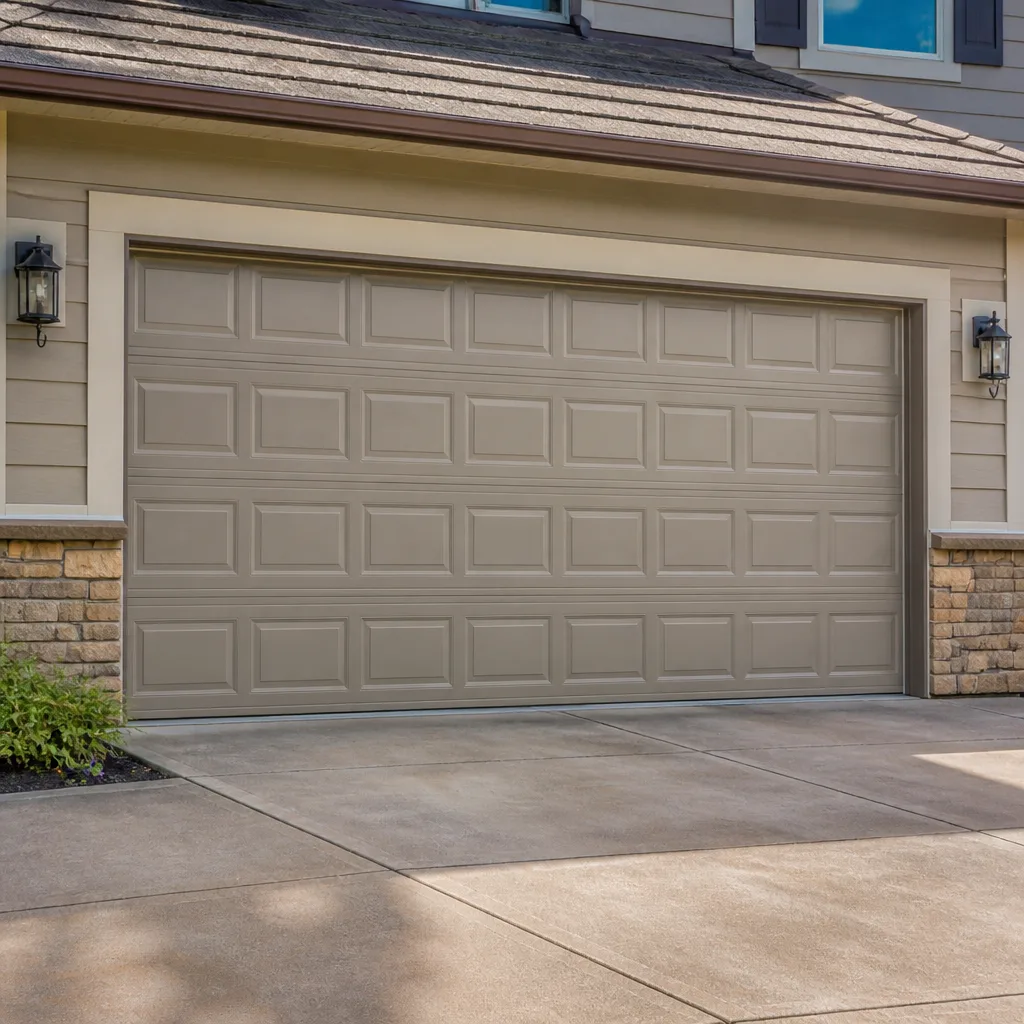 Raised-panel steel
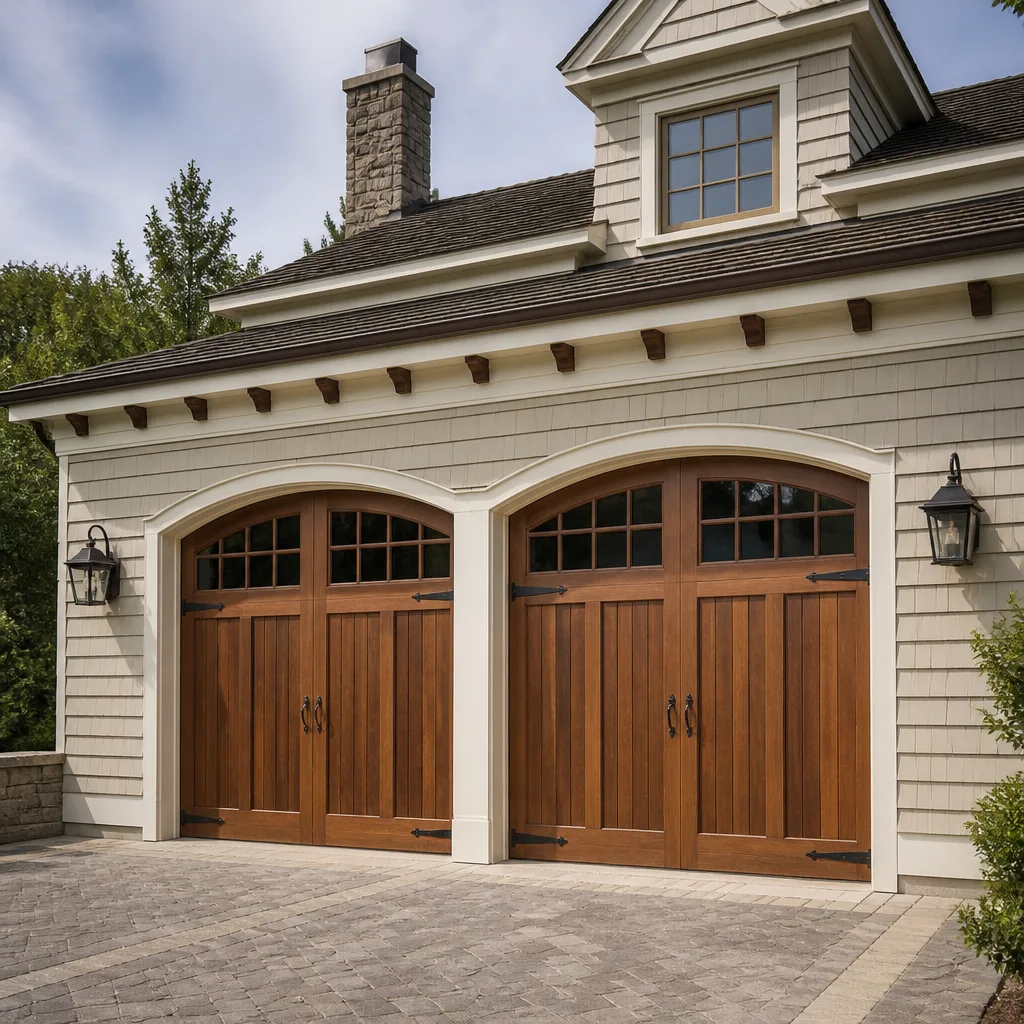 Carriage house
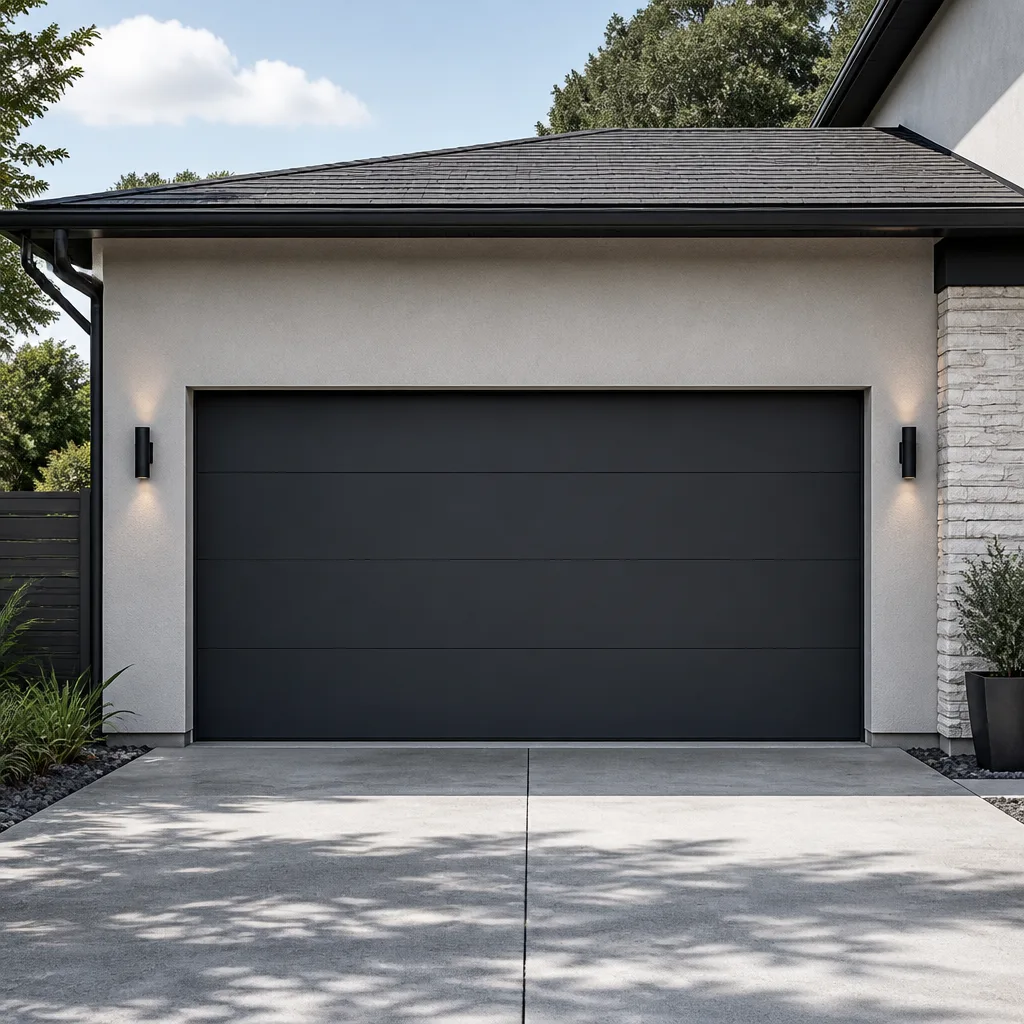 Modern flush
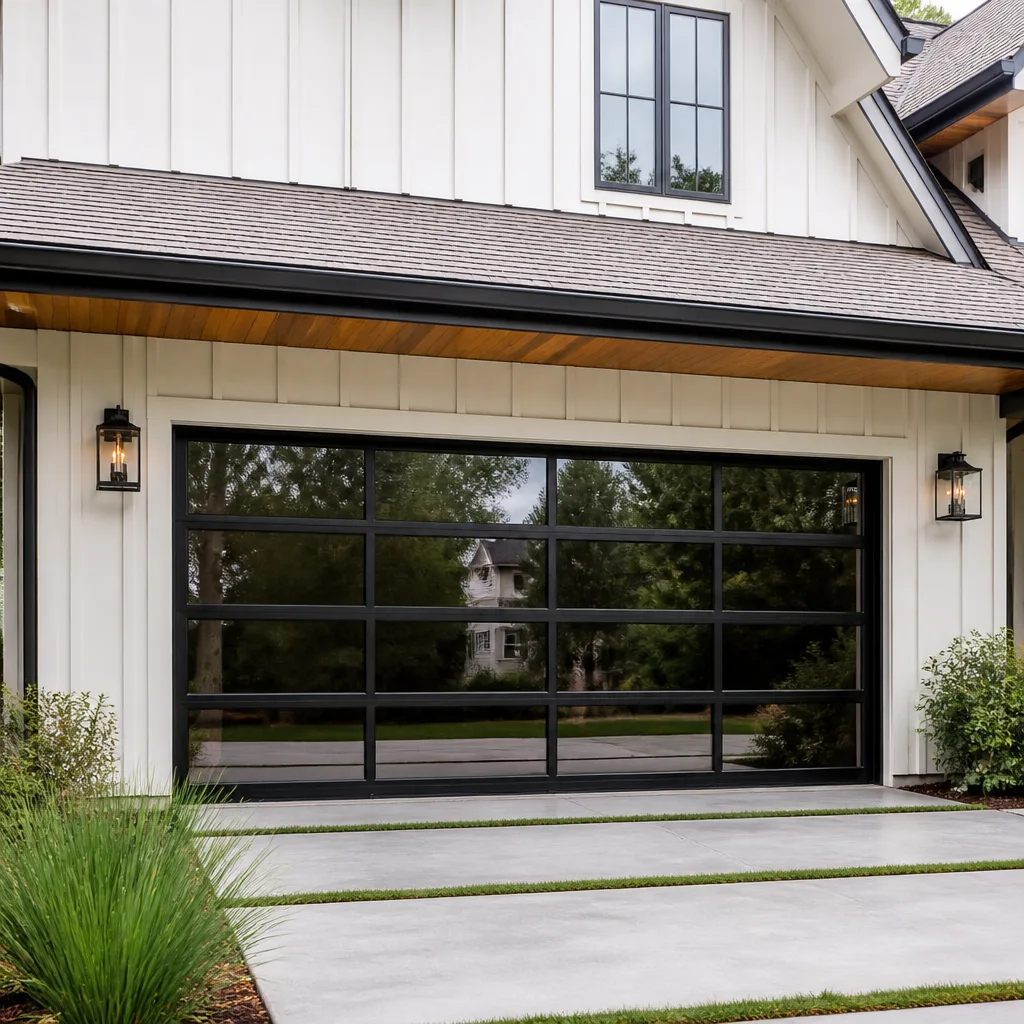 Full-view glass
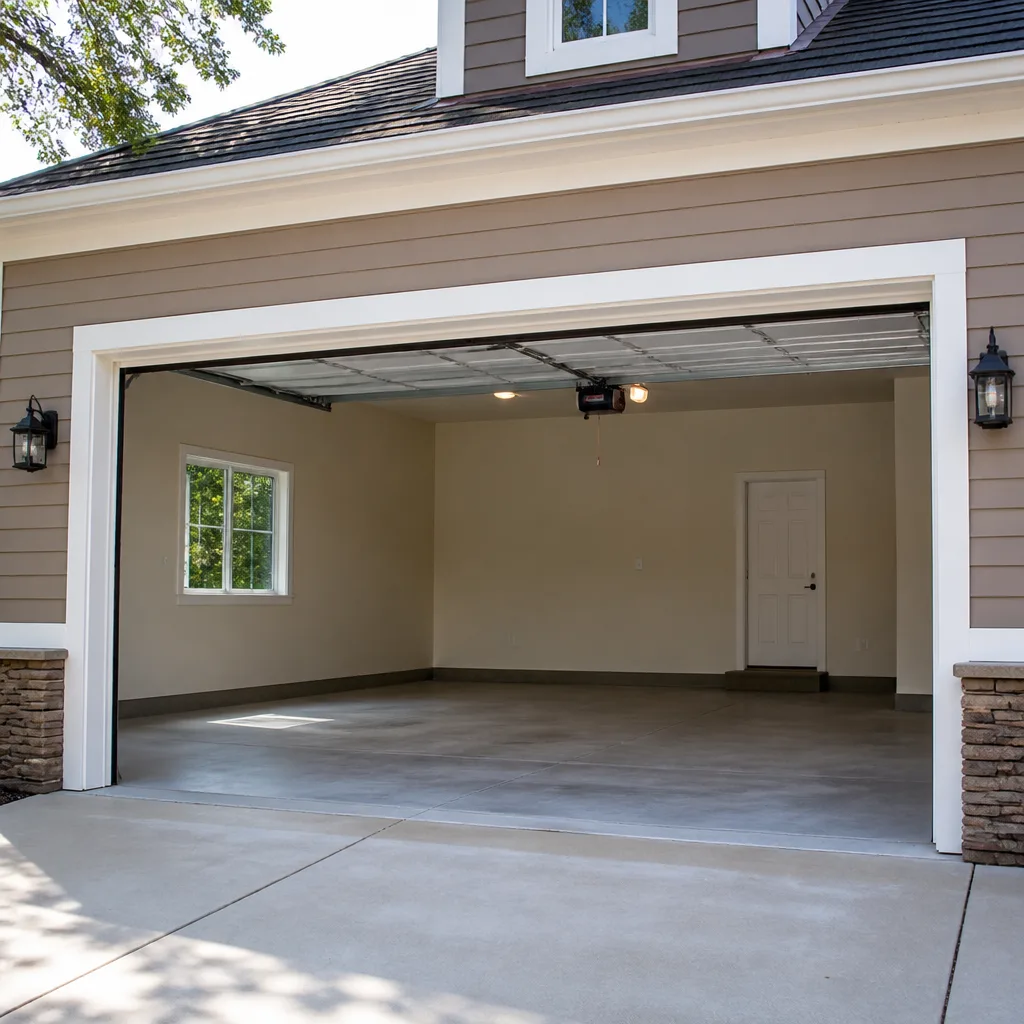 LiftMaster openers
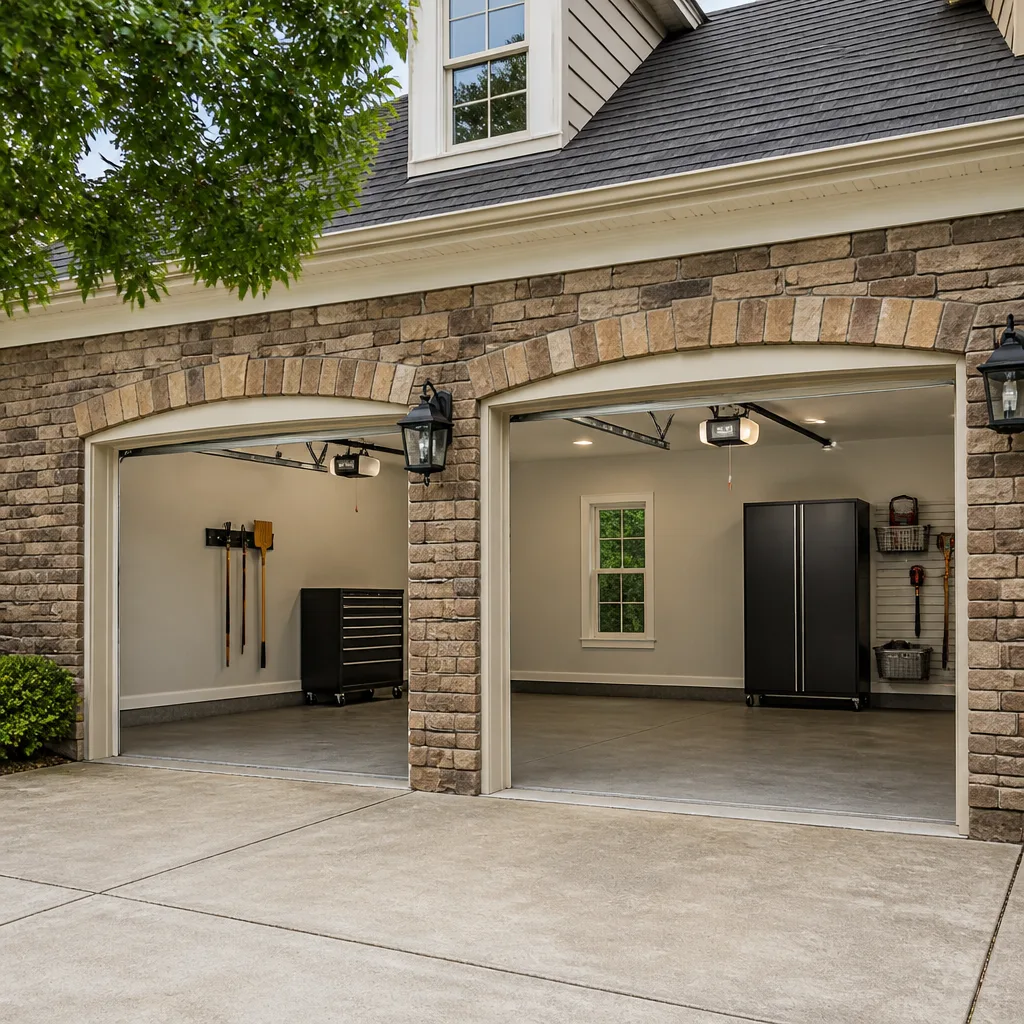 Chamberlain openers
Full 25-point door and opener safety check with every visit - springs, cables, rollers, tracks, and your LiftMaster or Chamberlain opener included
You get a price before we start. It does not change when the pro arrives.
Get your free estimateGarage Door Permits, Codes & Inspections in Aurora, IL: What You Need to Know
Here’s the part that surprises most homeowners: replacing a garage door in Aurora with the exact same size door, in the exact same opening, can still require a permit. Most people assume a swap is a swap and skip the paperwork. It usually stays quiet until a buyer’s inspector walks the property years later and flags the unpermitted work, or a structural problem shows up that should have been caught before the door ever went up. This guide covers when Aurora actually requires a permit for garage door work, how the city’s rules line up with the Illinois statewide residential code, what an inspector checks, and what happens when the work was never permitted in the first place.
Quick Answer
In Aurora, a full garage door replacement, a new door in a new opening, and any structural change to the opening, header, or framing around a door typically require a building permit. Routine maintenance and like-for-like repairs – a new spring, rollers, cables, a replacement opener, or a swapped panel – generally do not. The reliable way to know for your specific project is to call Aurora’s building department before work starts. When we quote a replacement, we’ll tell you whether your job falls on the permit side of that line.
Styles & brands we work with
- Raised-panel steel
- Carriage house
- Modern flush
- Full-view glass
- LiftMaster openers
- Chamberlain openers
Table of Contents
- When does Aurora require a permit for garage door work?
- What counts as maintenance and doesn’t need a permit?
- How Aurora’s code lines up with the Illinois statewide residential code
- Attached vs. detached garages: two different permit conversations
- What an Aurora building inspector actually checks
- How unpermitted garage door work surfaces at sale
- The permit and inspection process, step by step
- Why Aurora’s climate makes code compliance a real safety issue
When does Aurora require a permit for garage door work?
Aurora requires a building permit when the garage door work changes something structural or changes the door system itself – not when it’s a repair to worn parts. The line isn’t always obvious, which is why so many homeowners get it wrong in both directions: pulling a permit for a spring, or skipping one for a full replacement.
The projects that almost always land on the permit side:
- Full door replacement. Even a same-size replacement door can require a permit because the door’s weight, spring balance, and track anchoring all get re-set, and the new door has to meet current safety requirements.
- New door in a new opening. If you’re cutting a new opening in a wall or building a new garage, the opening itself is structural work.
- Changing the opening size. Widening or heightening an opening means modifying the header, and that’s framing work.
- Structural repairs to the opening or header. A sagging header, damaged jambs, or rot at the door corners.
- Switching to a different door type. Going from a tilt-up door to a sectional, or vice versa, changes the loads on the structure.
- Adding an opener where there wasn’t one. This adds electrical work, which has its own permit question separate from the door itself.
Whether a straightforward same-size replacement needs its own permit depends on how the project is classified, and that classification can shift with the scope of the framing and electrical work involved. The safest move is a single phone call to Aurora’s building department with the door size, the opening size, and a description of the work. We can help you describe it accurately, because a vague “replacing the garage door” can sound like maintenance over the phone when it isn’t.
What counts as maintenance and doesn’t need a permit?
Repairs that restore the door to working order without changing the door system itself are typically treated as maintenance. That covers most of what we do on a service call.
- Spring replacement. A torsion or extension spring replacement returns the door to its designed balance. No structural change.
- Cables, drums, and rollers. Same idea – worn components replaced with the same type.
- Panel replacement. Swapping a dented lower panel for a matching panel from the same manufacturer, such as a Clopay or Amarr panel, fits into the existing frame.
- Opener replacement. Pulling a dead Genie and installing a comparable unit is maintenance. Adding a new circuit where none existed is a different conversation.
- Track and hinge repair. Realigning or replacing a bent track section.
- Weather seal and bottom rubber. Nothing structural here at all.
One caution: a repair can quietly become a permit project. If a technician finds that the door was installed out of level, the framing around the opening is compromised, or the spring system doesn’t match the door weight, you’re now looking at corrective structural work. A good technician stops and tells you that before proceeding, not after. That’s the difference between garage door repair and a project that should have had a permit attached.
How Aurora’s code lines up with the Illinois statewide residential code
Illinois adopts a statewide residential code, and Aurora enforces it locally with its own amendments and administrative processes. For garage door systems, the statewide code sets the baseline safety requirements – which is why a new door has to meet current standards even if the door it replaces was installed decades ago and never had them.
Where cities like Aurora typically diverge from the bare statewide baseline is in three areas:
- Administrative requirements. Permits, submittals, plan review thresholds, and inspection scheduling are handled at the city level. The statewide code tells you what’s safe; Aurora’s building department tells you how to prove you met it.
- Amendment specifics. Local amendments can change details like wind-load provisions, attachment requirements for openers, and how door assemblies are anchored to framing.
- Safety device enforcement. The statewide code requires a functioning safety reverse system on any opener installed today. Aurora’s inspectors verify it during the inspection rather than taking the installer’s word for it.
For homeowners in Aurora, the practical takeaway is that “the state code says” is only half the answer. The other half lives with the city. If you’re planning work on a property near the older housing stock downtown or along the east side, where openings were framed to older standards, expect the inspector to look harder at the structural side than at a newer build.
We keep our work aligned with what the local code official is going to inspect, not just what passes on paper. Our technicians have up to 9 years of experience reading how a door assembly actually sits in a given opening.
Attached vs. detached garages: two different permit conversations
Whether the garage shares a wall with the house changes the permit picture, and this is where a lot of Aurora homeowners get surprised.
Attached garages
An attached garage is part of the dwelling structure, which means the code treats it with more scrutiny. The wall and door between the garage and the living space is a fire-separation assembly, and anything that touches that assembly gets reviewed. When you replace the overhead door on an attached garage, the inspector is checking more than the door: the attachment of tracks to the framing, the header above the opening, and the integrity of the separation wall.
Detached garages
A detached garage is a separate structure, and some of the fire-separation and energy requirements don’t apply the same way. That doesn’t mean it’s permit-free. The structure still has to be safe, and the door and opener still have to meet current safety requirements. What often changes is the review depth – a straightforward detached garage door replacement is sometimes handled with a lighter review than the same project on an attached garage.
There’s a third case worth knowing: a detached garage that’s been converted to living space, or one that’s connected by a breezeway. Those sit in a gray zone, and guessing is a bad plan. Ask the city.
What an Aurora building inspector actually checks
An Aurora building inspector isn’t there to judge how the door looks. The inspection exists to confirm the door and its supporting system are safe and meet the code the permit was issued under. Here’s what actually gets checked:
- Permit and scope match. The inspector confirms the installed door matches what was described on the permit. Installing a different door than you permitted is a problem.
- Header and framing. The structural member above the opening gets checked for size, condition, and attachment. This is the most common place for a red tag.
- Track anchoring. Tracks and brackets must be fastened into framing, not just into drywall or sheathing.
- Spring system and balance. The door must open and close with reasonable effort, and stay in place at half-height. A door that won’t hold is a balance problem.
- Safety reverse function. If there’s an opener, the obstacle-sensing system is tested. A 2×4 laid flat under the door and the door must reverse. This is a hard fail if it doesn’t work.
- Photo-eye sensors. Mounted at the correct height, aligned, and functioning. Blocking the beam has to reverse the door.
- Manual release. The emergency release must be present and reachable.
- Warning label. The required warning label on the door must be intact and legible.
Most of the failures we hear about aren’t cosmetic. They’re balance, safety reverse, and attachment – the three things that actually cause injuries. If you’re dealing with a door that won’t balance or an opener that won’t reverse, that’s not a wait-and-see situation. It’s exactly the kind of call that gets us out the same day. If you need garage door opener repair to get a failing safety system working again, that’s a repair, not a replacement project, and it doesn’t wait for a permit.
How unpermitted garage door work surfaces at sale
Unpermitted garage door work rarely causes trouble while you own the house. It causes trouble when someone else starts looking closely, and the two moments that matter are a buyer’s home inspection and an insurance claim.
At the inspection
A home inspector walks the garage with a checklist. They look at the door, the opener, the safety reverse, the spring system, and the attachment. They also check whether the door and opener appear to have been replaced recently. If they do, and there’s no permit record on file with the city, that lands in the report as a flagged item, usually phrased as “recent garage door replacement, no permit observed.” That one line gives a buyer leverage. Depending on the market, it can turn into a request for a price reduction, a demand to have the work inspected retroactively, or a withdrawal. The remediation cost is real – retroactive permits and inspections usually involve opening up finishes to verify framing, and that’s not cheap in labor.
At the insurer
Most homeowner policies have language about unpermitted work and undisclosed modifications. Whether a specific claim gets affected depends on the policy and the facts, so we won’t tell you exactly what your insurer will say. We’ll tell you what we’ve heard from homeowners: an insurer asking for the permit record on a replaced garage door, and no record to give them.
What remediation looks like
- Call the Aurora building department and ask about a retroactive permit for the existing work.
- The permit usually requires an inspection of the installed work, plus whatever the city asks for to verify what’s behind the finishes.
- Any deficient attachment, framing, or safety function has to be corrected before the permit is signed off.
- Fees and inspection costs get added on top of the corrections.
All of it is avoidable with a permit pulled before the work starts. If you’re not sure whether past work on your home was permitted, we can look at the door and tell you what we see – but only the city can tell you what’s on file.
The permit and inspection process, step by step
Here’s how a permitted garage door replacement typically runs in Aurora, in the order it happens:
- Confirm with the city that a permit is required. Call the building department with the door size, opening size, and description of the work, and get the answer for your specific project.
- Measure and quote. We measure the opening, check the framing and header, and confirm the door can be hung in the existing space. We give you a written price before anything is ordered or started.
- Submit the permit application. The permit application includes the scope of work and a description of the door.
- Order the door. Manufactured doors are made to order, and lead times vary by brand. A Clopay, Amarr, or Wayne Dalton door isn’t sitting in a warehouse waiting for your address.
- Install. The old door comes out, the opening is checked and corrected if needed, and the new door and track are anchored into framing.
- Rough inspection if required. Some permits require an inspection of the attachment and framing before the finished door goes on. The city will tell you if that applies to your project.
- Final inspection. The inspector confirms balance, safety reverse, photo-eyes, manual release, and attachment.
- Permit closed. Get the signed-off permit and keep it with your home records. It’s the document that answers the question at sale.
Two things to plan around. First, permit timing and inspection scheduling run on the city’s calendar, not ours, so build in a few working days. Second, if the door needs to be ordered, add the manufacturer’s lead time on top. Anyone promising a same-day replacement on a made-to-order door isn’t being straight with you. Replacement and installation are scheduled projects, and we’d rather quote it honestly than promise a date that depends on a factory.
Why Aurora’s climate makes code compliance a real safety issue
Aurora’s weather is hard on garage door systems. Summer heat and humidity swing into hard freezes, and a garage door takes that cycle thousands of times a year. Wood framing around an opening moves with that cycle. Steel tracks and springs load and unload. The door itself expands and contracts.
That cycle is why the code cares about attachment and balance rather than cosmetics. A header attachment that’s marginal in April can be a problem by January. A door that’s slightly out of balance in mild weather can become a door that slams or refuses to lift when the temperature drops. A door that lifts on a stretched spring can drop.
It’s also why we’re cautious about the spring side of any garage door conversation. Torsion springs and the cables that run with them are under extreme tension, and they’re the most dangerous component in the entire system. Adjusting, removing, or replacing them is not a homeowner task, no matter how many videos make it look manageable. If a spring has snapped, the door should stay down and untouched until a trained technician gets there. That’s not a sales line – it’s the one part of this trade where the injury risk is genuinely serious. Our garage door spring repair work is done by specialists who do this daily, with the right tools and the right respect for the load.
The good news is that code-compliant installation holds up better in this climate. Proper attachment, correct spring sizing for the door weight, and a functioning safety reverse mean fewer mid-winter failures and a door that operates the way it was designed to.
Common Mistakes to Avoid
- Assuming a same-size replacement needs no permit. The most common mistake in Aurora. The door is the same size, the opening is the same, and the framing still gets inspected because the loads have been re-set. Ask before you order.
- Treating a repair estimate as the whole project. When a technician opens up a job and finds the header is compromised or the framing is out of level, the repair becomes a permit project. Ask what happens if the opening turns out to need corrective work.
- Skipping the permit because the door was ordered. Ordering first and asking about permits after locks you into a schedule. Confirm the permit path before the door is ordered.
- Ignoring that attached and detached garages are treated differently. A project that was permit-light on a detached garage can be a full review on an attached one. The fire-separation requirements on the attached wall change the scope.
- Assuming the homeowner inspection will miss it. A home inspector looks at the garage on every inspection and checks for recent replacements. Unpermitted work gets flagged.
- Not keeping the permit paperwork. The signed-off permit is the document you need at sale. File it with the deed and the other home records.
- Touching the springs. Springs and cables are under extreme tension. This is not a permit issue, it’s a safety issue, and it’s the reason we recommend a trained technician for anything involving the spring system.
See the difference
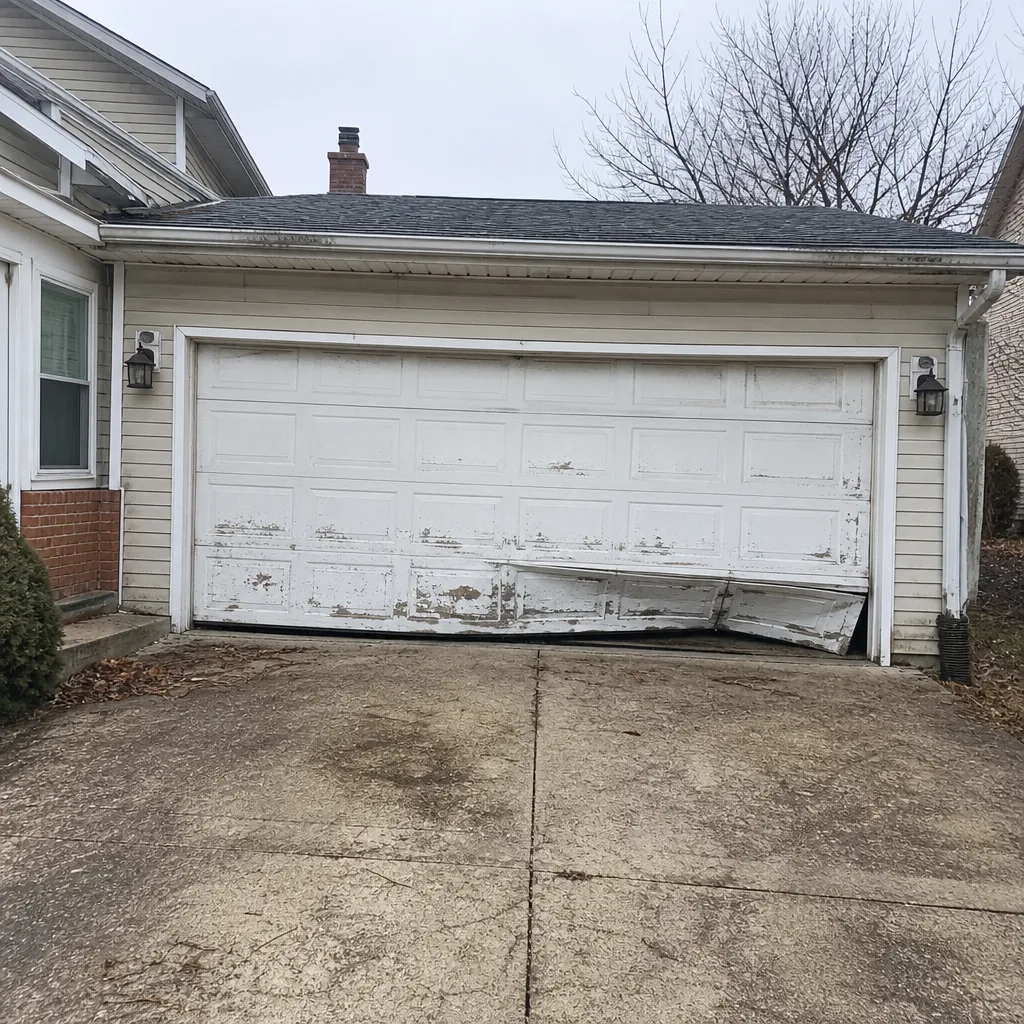 Before
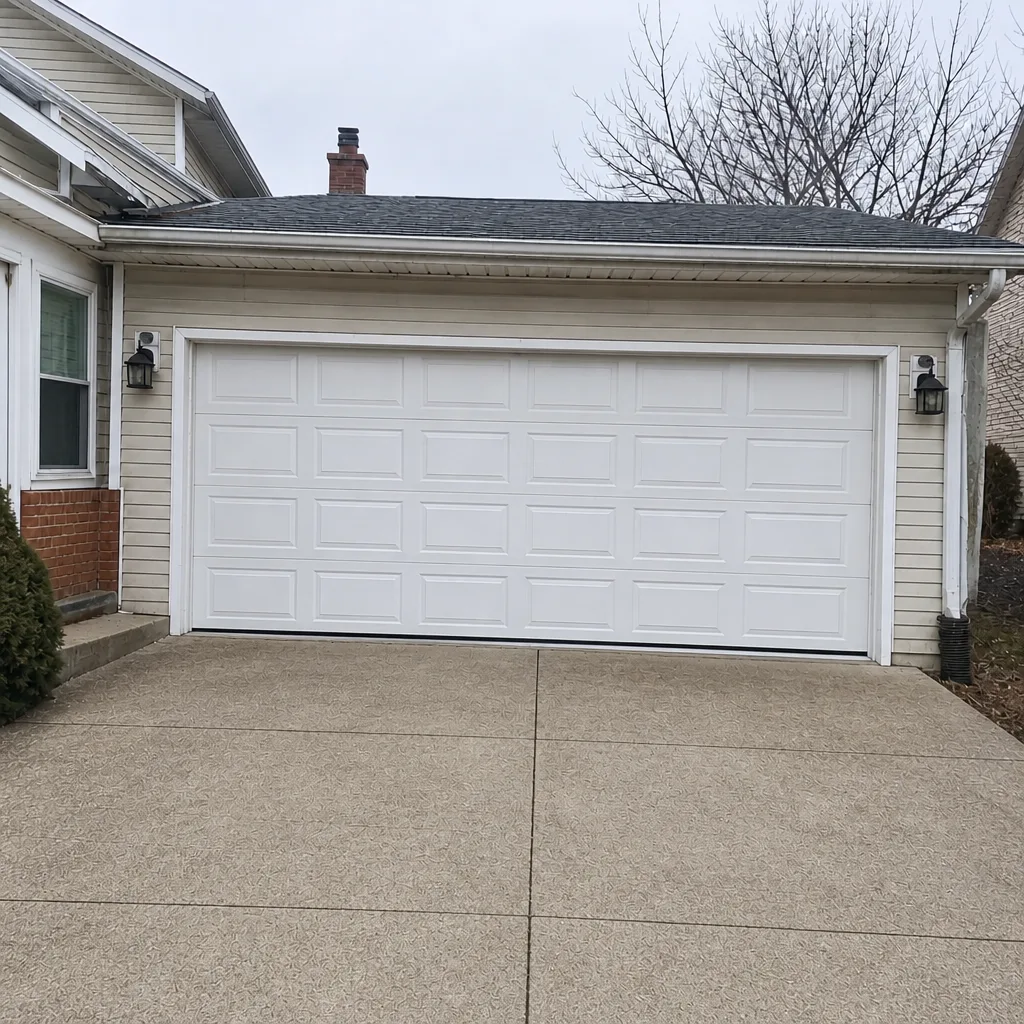 After
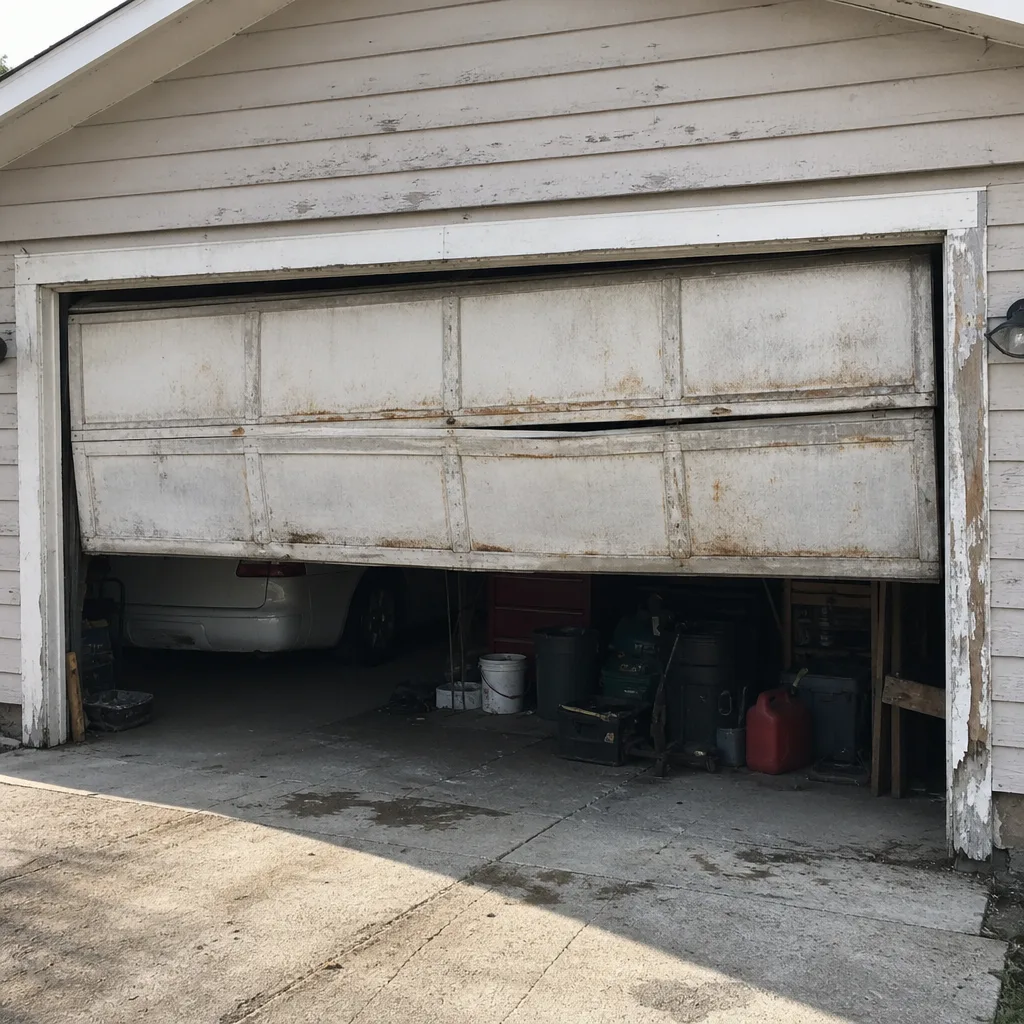 Before
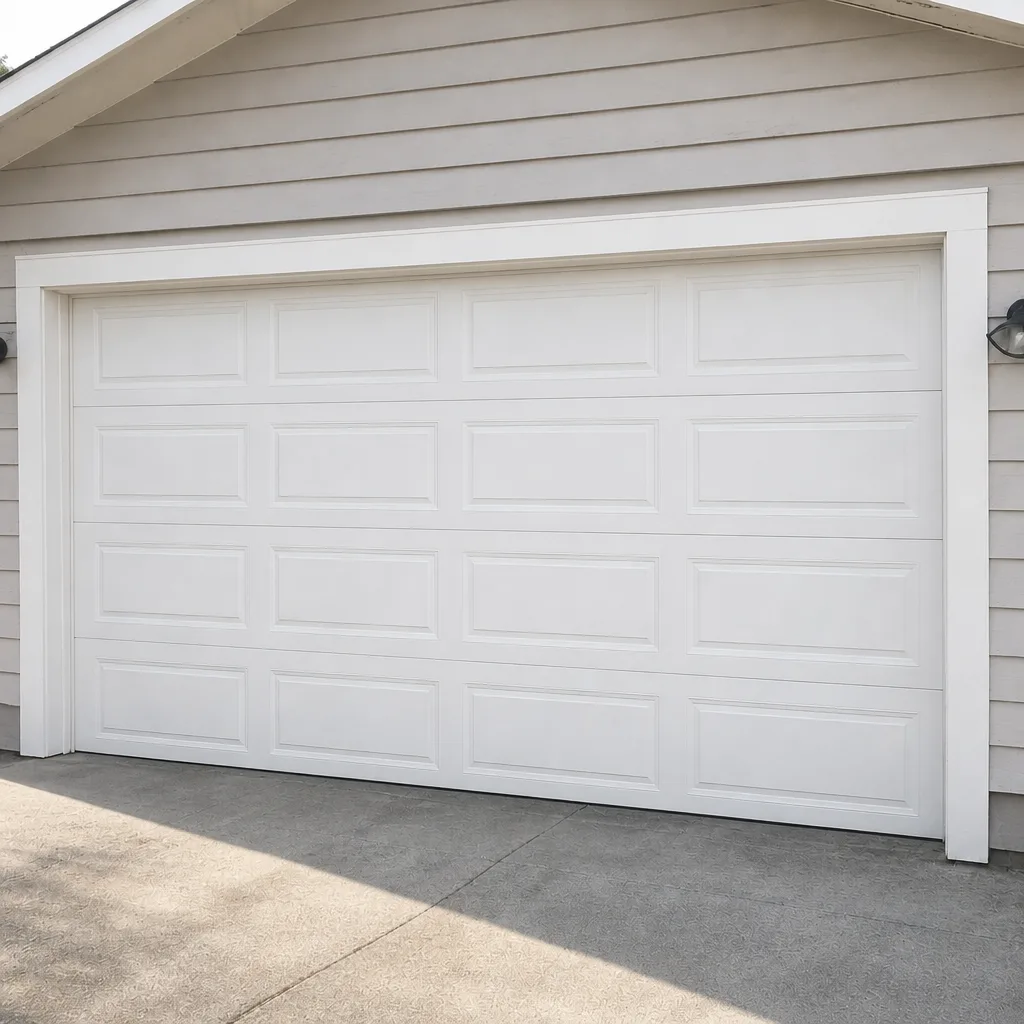 After
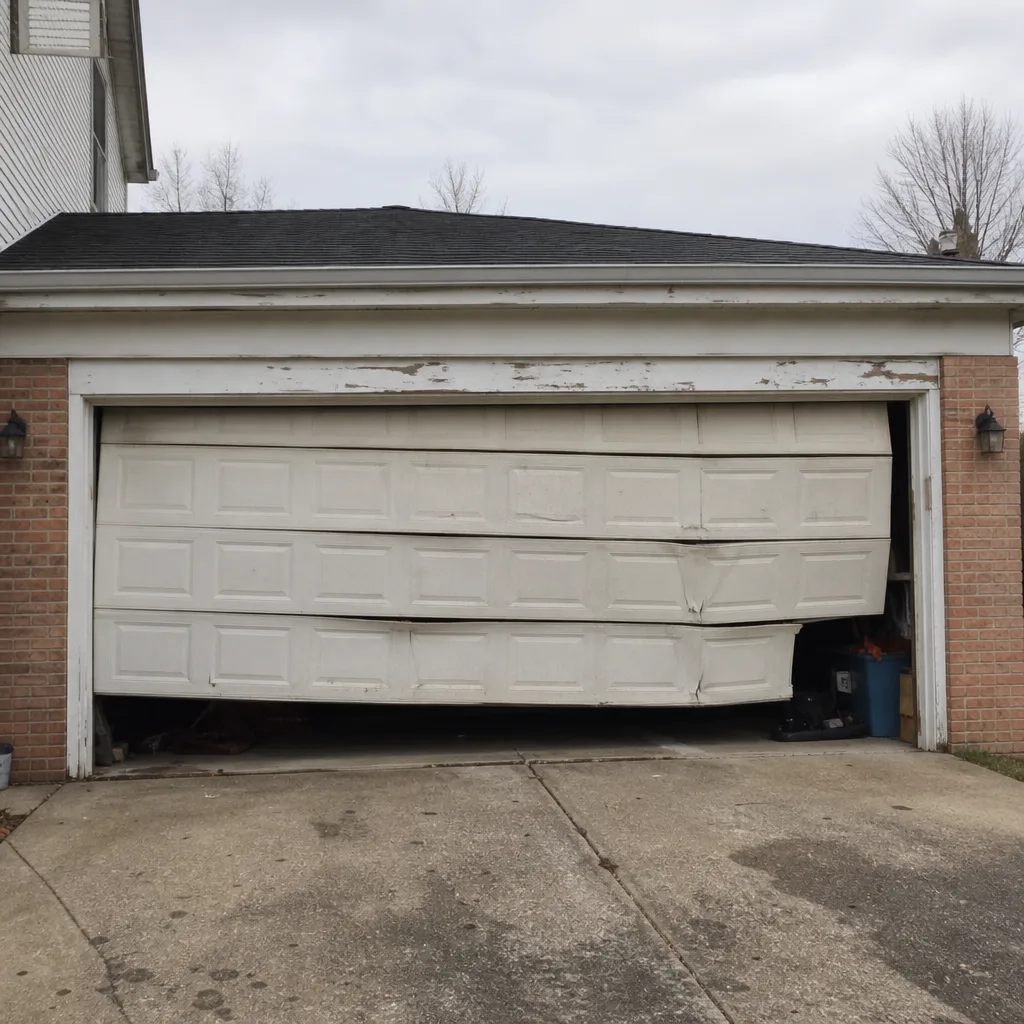 Before
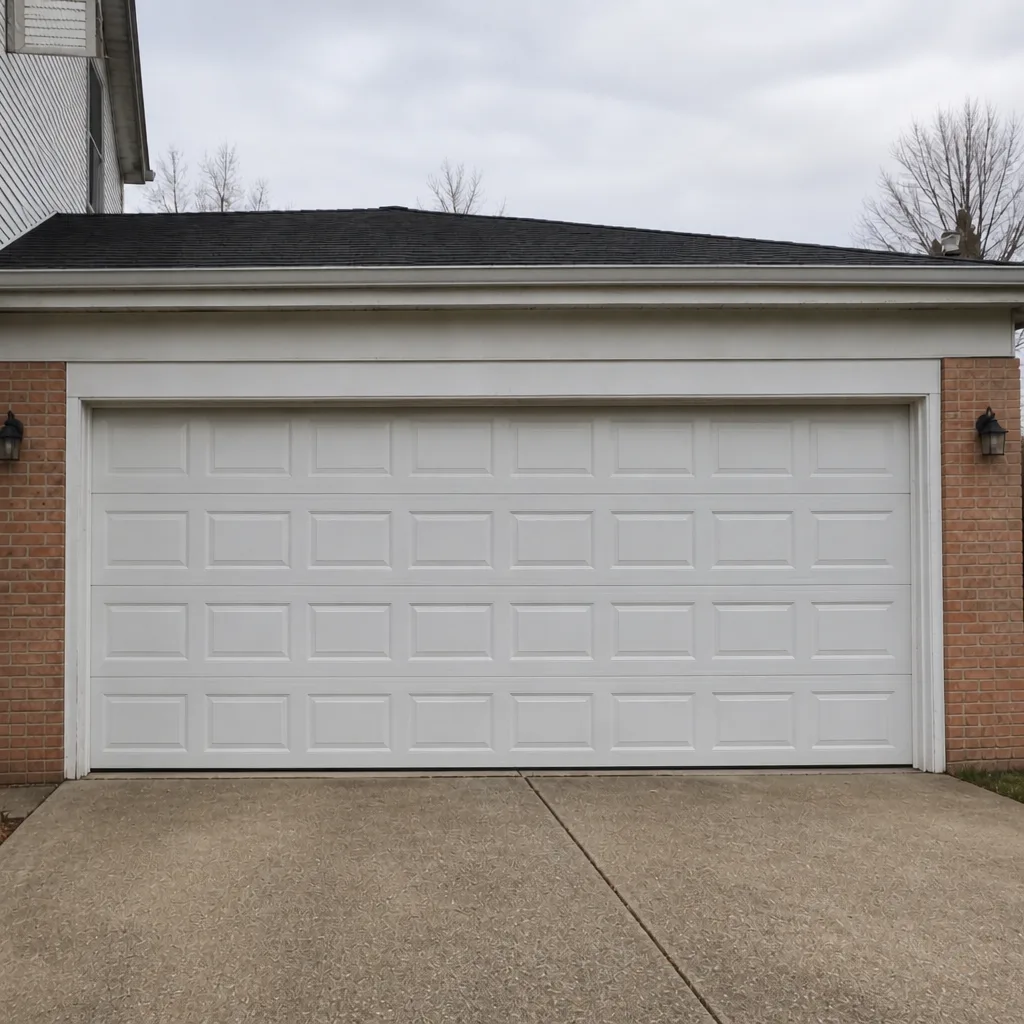 After
When to Call a Professional
Call a professional when the door won’t balance, when a spring has snapped, when the door has come off the track, when the opener’s safety reverse doesn’t work, or when you’re planning any replacement or installation and want the permit question answered accurately before you order. Call immediately if a door is hanging unevenly or a cable has let go – those are the situations where someone gets hurt. We connect homeowners in Aurora with vetted local garage door professionals who do this work daily and who know what the local inspector is going to check. Aurora Garage Door Repair Pros offers free estimates in Aurora – call (866) 947-9649.
Frequently Asked Questions
In most cases, yes – a full garage door replacement in Aurora typically requires a permit, even when the new door is the same size in the same opening. Confirm with Aurora’s building department before you order, because the classification depends on the scope of the work. Call (866) 947-9649 for an exact quote on the door – estimates are free.
No, a spring replacement is maintenance and doesn’t require a building permit. It restores the door to its designed balance without changing the structure. It does require a trained technician, because springs and cables are under extreme tension. Call (866) 947-9649 for a free estimate.
The unpermitted replacement usually shows up in a buyer’s home inspection report, which can trigger a price reduction request or a demand for retroactive permitting. Retrieving a retroactive permit involves an inspection of the installed work and any corrections the city requires – both cost money and time. Call us first and we’ll help you get it right the first time: (866) 947-9649.
Yes. An attached garage is part of the dwelling structure, so the fire-separation wall between the garage and the living space – and the framing around the door opening – gets reviewed more closely. A detached garage is a separate structure, and some separation requirements don’t apply the same way, though the door and opener still have to meet current safety requirements. Ask the city for the specific scope; call (866) 947-9649 for a free estimate.
Yes. Emergency garage door service is a core part of what we do, because a door that won’t close leaves a house exposed and a door that won’t open traps a car. We handle failures like snapped springs, dead openers, and doors off their tracks the same day in Aurora where the schedule allows. Call (866) 947-9649.
No – the written estimate we give you before work starts is the price for that scope of work. If we find something the estimate didn’t cover, such as a compromised header or framing that needs correction, we tell you before proceeding and you decide. Nothing gets added to the invoice without your agreement. Call (866) 947-9649 for an exact quote.
The Bottom Line
In Aurora, a garage door replacement is a permit project more often than homeowners expect, and a repair to worn components usually isn’t. The distinction matters most at resale and at claim time, when an unpermitted job can cost more to fix than the permit would have. Confirm the permit path with the city before you order a door. Get the scope in writing. Keep the signed-off permit. And stay away from the spring system – that part needs a technician, every time. The permit is the cheap part of doing it right in Aurora. If you need garage door opener repair or a full quote, call (866) 947-9649.
One last thing worth knowing: whether you need garage door repair on a worn assembly or a complete installation, it’s all the same call for us. Springs, openers, panels, full installs – one call covers it all. We only do garage doors, which means we do them right.
Written by the team at Aurora Garage Door Repair Pros.