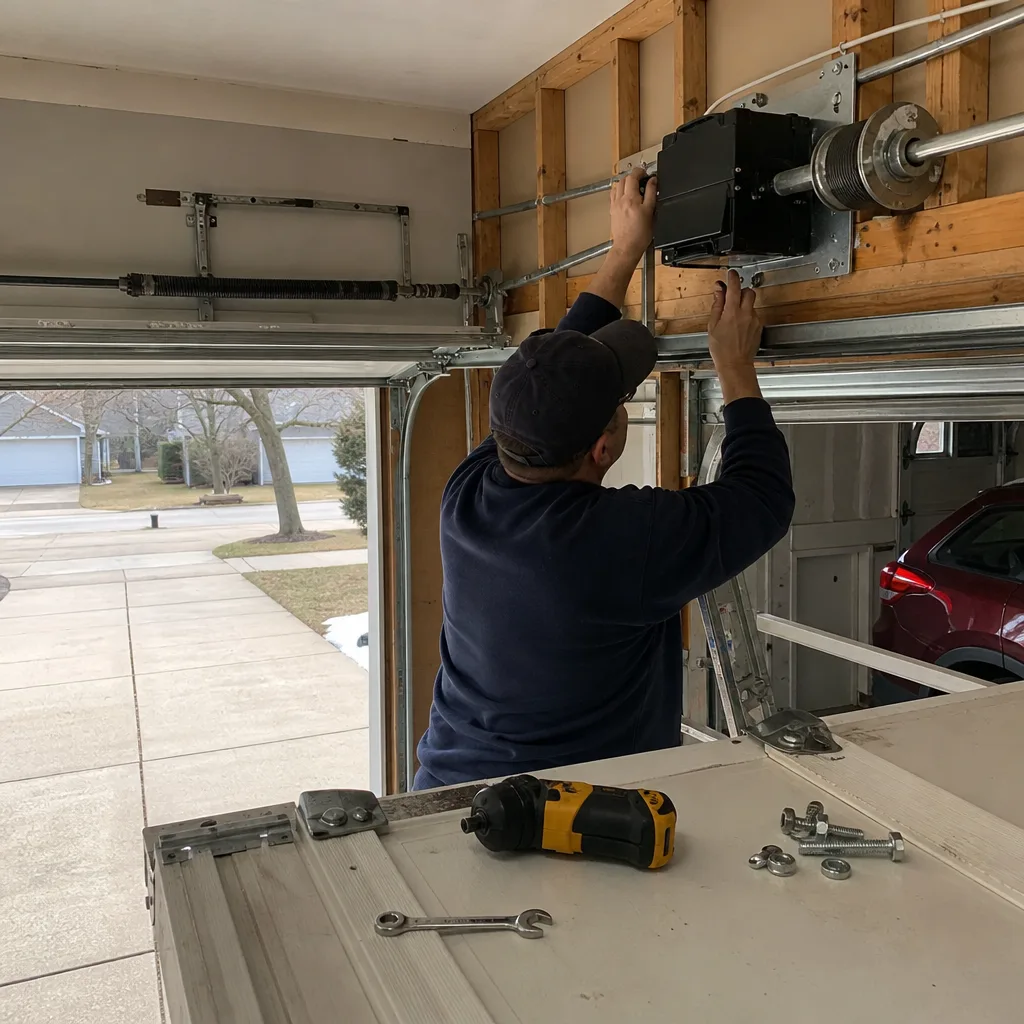
Last updated November 23, 2026
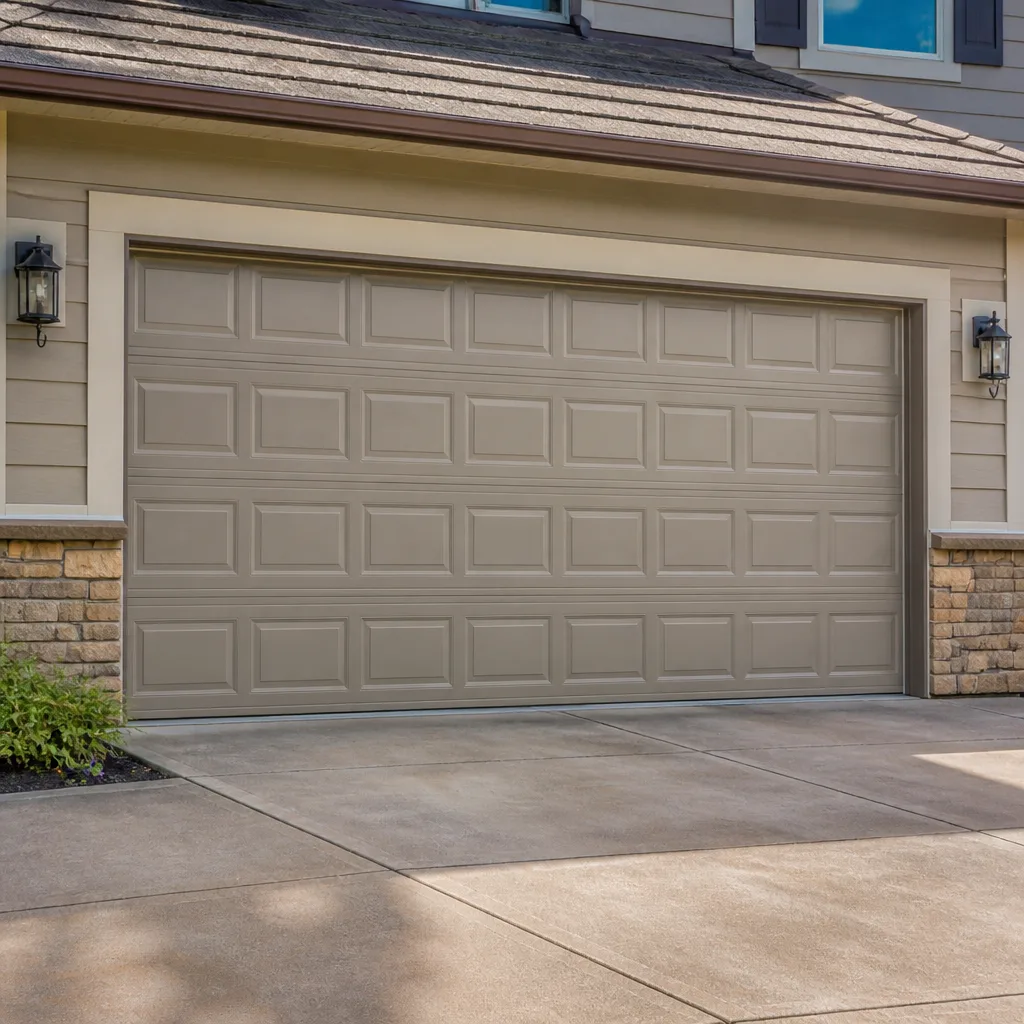 Raised-panel steel
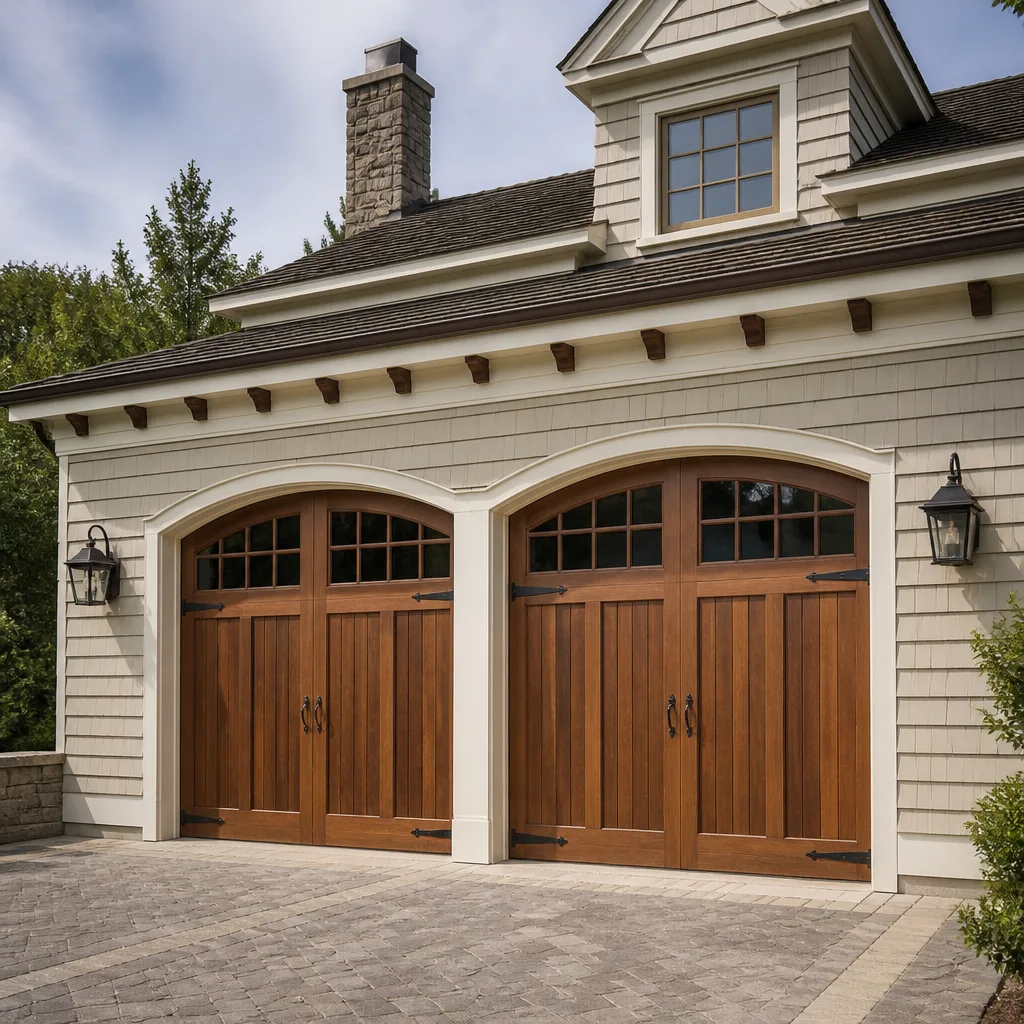 Carriage house
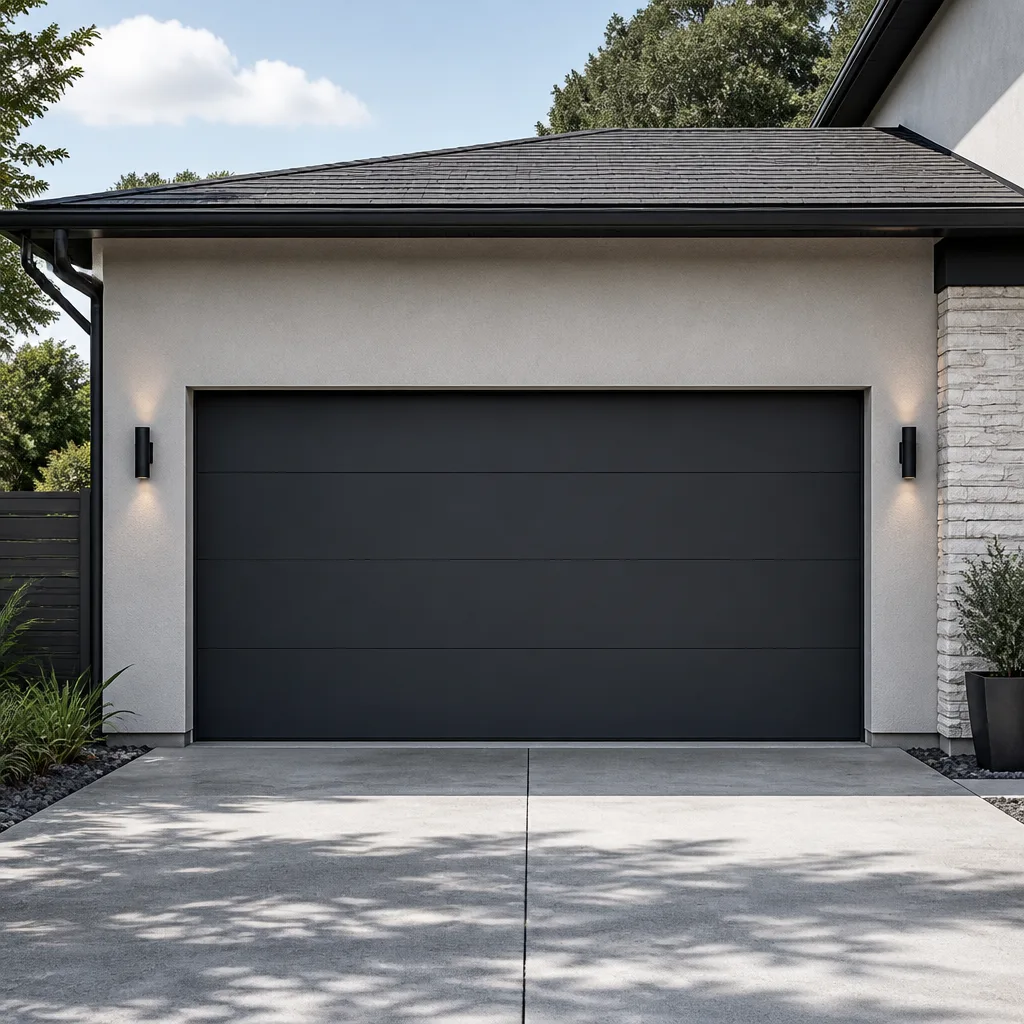 Modern flush
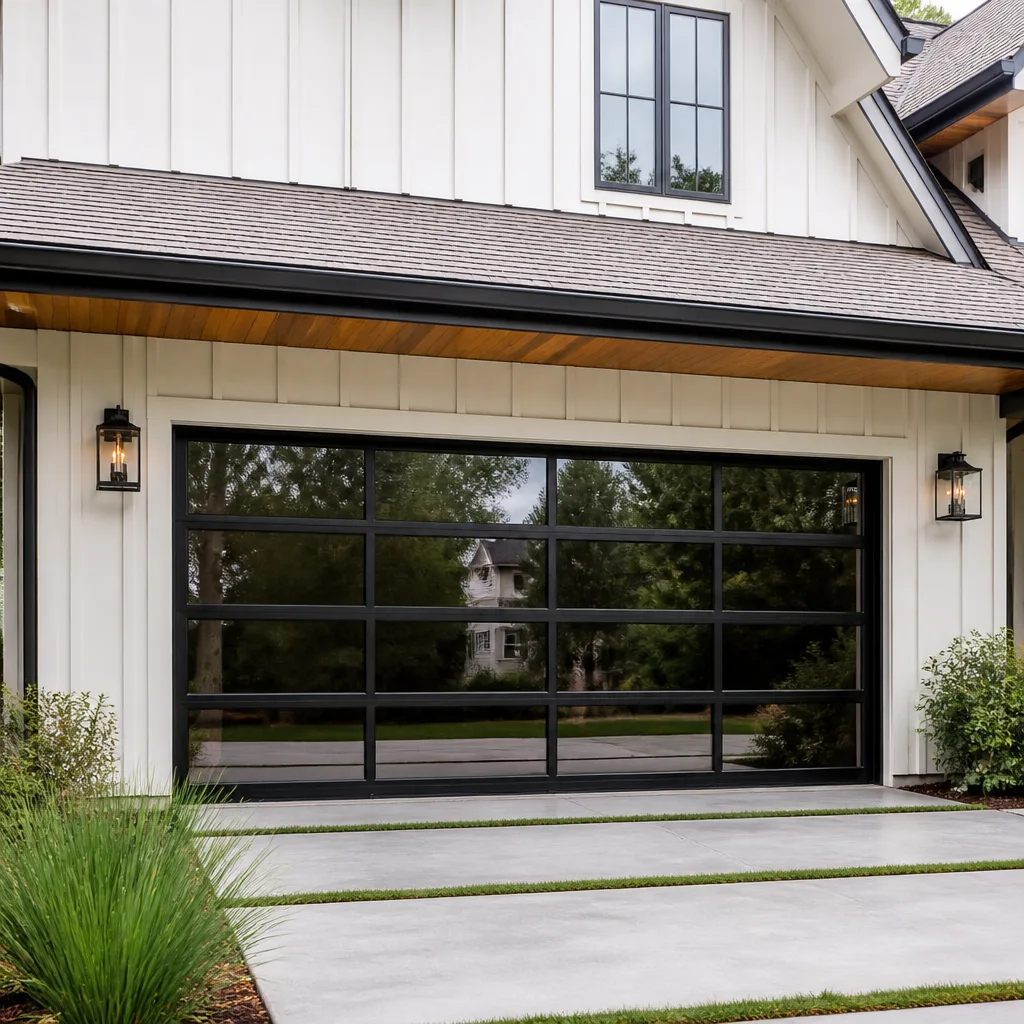 Full-view glass
 LiftMaster openers
 Chamberlain openers
Full 25-point door and opener safety check with every visit - springs, cables, rollers, tracks, and your LiftMaster or Chamberlain opener included
You get a price before we start. It does not change when the pro arrives.
Get your free estimateGarage Door Repair Maintenance Checklist for Aurora Homeowners
Ask most homeowners what a garage door tune-up involves and you’ll hear about oiling the hinges. That’s fine as far as it goes, but it misses the thing that actually causes the most damage on Aurora doors. The task homeowners skip isn’t lubrication. It’s checking bottom seal compression after the first hard freeze, which is the leading cause of water intrusion and floor rot in attached garages here. Our winters swing hard between freeze and thaw, and that cycle pushes water and grit under a door that no longer sits flush. This guide sequences maintenance by what fails first on Aurora doors, covers which lubricants survive sub-zero cold and which go stiff by February, and shows you how to spot the seal gaps that concrete heave opens in older driveways. You’ll also learn when a repair is a liability for a homeowner to touch.
Quick Answer
The core of a garage door maintenance checklist for Aurora homeowners is this: check bottom seal compression after the first freeze, lubricate moving parts with a low-temp synthetic lubricant, inspect weatherstripping for gaps caused by driveway heave, test the opener’s safety reverse, and inspect springs, cables, and rollers for wear. Do the homeowner-safe checks on a schedule and call a specialist for springs, cables, and any tracking or balance problem. That split between what you can safely check and what requires a technician is what keeps a door working through an Illinois winter and what keeps you out of the emergency room.
Styles & brands we work with
- Raised-panel steel
- Carriage house
- Modern flush
- Full-view glass
- LiftMaster openers
- Chamberlain openers
Table of Contents
- Why Failure Order Matters More Than a Generic Checklist
- #1: Bottom Seal Compression After the First Freeze
- #2: Weatherstripping and Concrete Heave Gaps
- #3: Lubricants That Hold Up in Sub-Zero Cold
- #4: Safety Cable Inspection on Extension Spring Systems
- #5: Opener Safety Reverse and Balance Testing
- Seasonal Maintenance Schedule for Aurora
- When a Maintenance Item Is Actually a Liability
Why Failure Order Matters More Than a Generic Checklist
Most checklists list every component in alphabetical or textbook order and call it a day. That approach treats a garage door as a generic machine with no climate and no setting. Aurora doors don’t fail in textbook order. They fail in a sequence shaped by freeze-thaw cycles, road salt tracked onto the driveway, and the settling that older subdivisions see over time.
In our experience working Aurora doors, the order runs roughly like this:
- Bottom seal and weatherstripping degrade first, because they take the direct hit from ice, snowmelt, and freeze-thaw cycling at the threshold.
- Rollers and hinges follow, as cold temperatures stiffen grease and grit works into the tracks.
- Springs and cables weaken over time, and the added load of a door fighting a stiff seal or a misaligned track accelerates the wear.
That order matters for how you spend your maintenance time. A door whose bottom seal has lost compression is working harder every cycle, and that extra strain shows up later in rollers and springs. Fix the seal and the gaskets and you slow the whole cascade. Skip them and you’re paying for the downstream repairs anyway.
This sequencing is the single most useful shift in how Aurora homeowners approach maintenance. It’s also the difference between reactive repairs and a door that opens smoothly in January. Our Aurora Garage Door Repair Pros approach starts with the threshold because that’s where the weather wins first.
#1: Bottom Seal Compression After the First Freeze
The bottom seal is the rubber strip along the lowest edge of the door. When it’s compressed correctly, it forms a tight barrier against the floor slab and keeps out water, cold air, and pests. After the first hard freeze of the season, that seal is the first thing to fail, and a failed seal lets meltwater run under the door and onto the garage floor.
That’s a bigger problem than it sounds in an attached garage. Repeated water intrusion at the threshold saturates the concrete and the framing near the floor. Floor rot, frost heave under the slab, and ice build-up just inside the door all trace back to a seal that isn’t making contact.
Here’s how to check it, safely, with the door closed:
- Close the door fully and stand inside the garage.
- Look along the bottom edge for visible daylight between the seal and the floor.
- Slide a sheet of paper or a thin strip under the seal at several points. If it slides through easily, the seal isn’t compressing.
- Run your hand along the floor inside the threshold after a thaw. Dampness or ice here points to a compression problem.
If the seal isn’t compressing evenly, the cause is usually one of three things: a worn or hardened seal, a door that’s out of adjustment, or a floor slab that has heaved or settled. Replacement seals are inexpensive, but don’t try to fix uneven compression by adjusting the door’s travel limits yourself. If the door won’t sit flush after a visual check, that’s a job for a specialist.
#2: Weatherstripping and Concrete Heave Gaps
Weatherstripping runs along the sides and top of the door frame, and it’s the second place Aurora weather gets in. Where the bottom seal deals with the floor, weatherstripping deals with the jambs and header. Together they decide whether your garage stays dry.
What most homeowners don’t realize is that weatherstripping gaps in Aurora are often caused by the driveway and floor, not the stripping itself. Older driveways and garage slabs here show concrete heave from freeze-thaw movement. When the floor pushes up or drops away unevenly, the door frame no longer sits on a level plane, and the seal can’t close the resulting taper at one side.
Look for these gap patterns during inspection:
- A crescent-shaped gap at one bottom corner. This usually points to slab heave tilting the door slightly.
- Gaps that appear and disappear with the seasons. A gap that closes in summer and opens in winter is a sign the concrete is moving, not the stripping wearing out.
- Daylight along a side jamb near the floor. Side gaps often mean the frame has shifted, so even new stripping won’t close them without adjustment.
- Compressed or flattened stripping near the top. This suggests the door is riding high and not making contact along the header.
The homeowner-safe move is to inspect and note the gap pattern. If the gaps are seasonal and tied to the slab, new weatherstripping alone won’t fix them, and you’ll need a technician to look at track alignment and door balance. Proper garage door repair addresses the cause rather than the symptom.
#3: Lubricants That Hold Up in Sub-Zero Cold
Aurora winters separate good lubricants from bad ones. The wrong product goes from smooth to stiff somewhere around the first hard freeze and turns into noise by February. The right one keeps working through the cold without attracting grit or gumming up.
Here’s what holds up and what doesn’t:
- Low-temp synthetic lubricants stay fluid when the mercury drops and are the safe bet for hinges, rollers, and pivot points. Look for products labeled for cold-weather use.
- Specialty garage door lubricant is formulated with a carrier that penetrates and leaves a thin film, which is what you want on moving parts.
- White lithium grease works on some parts but can thicken noticeably in sub-zero temps, and it attracts grit on exposed surfaces.
- Heavy general-purpose grease and oils are the wrong call for winter. They stiffen, trap debris, and make noise worse.
- WD-40 or similar multi-purpose spray is a light oil, not a lubricant for a door’s load-bearing parts. It evaporates and leaves moving parts dry.
Apply lubricant to hinges, rollers, and the opener’s chain or belt according to the manufacturer’s guidance. Don’t lubricate the tracks themselves. They need to stay clean and dry so the rollers can travel freely, and greasing them just collects grit.
If your door uses Chamberlain or LiftMaster hardware, brand-matched guidance matters because the tolerances and part clearances differ. Our technicians work with the actual hardware in a home rather than a generic substitute approach. A quick note: lubrication is the task everybody gets right and the one that matters least next to seal and weatherstripping. Get the seals right first.
#4: Safety Cable Inspection on Extension Spring Systems
Safety cables are the most overlooked component in almost every published checklist, and on extension-spring doors they’re essential to safety. Extension springs stretch along the sides of the door, and if one fails, the spring can fly with considerable force. Safety cables run through the center of the spring so that a broken spring is caught instead of released.
On Aurora doors, safety cable inspection happens before the first freeze, when the cold makes metal brittle and the springs have already cycled hard for months. Here’s what a homeowner can safely check with the door fully closed and no tension being touched:
- With the door closed, look at each extension spring along the sides. Note whether a steel cable runs through the spring’s center.
- Inspect the cable for fraying, rust, or kinks. A cable that’s frayed or rusted through is a failure waiting to happen.
- Check that the cable is attached at both ends, the rear track hanger and the front bracket.
- Look for gaps, sag, or loose hardware at the attachment points.
If you see fraying, a missing cable, or loose hardware, don’t touch the spring or the cable. Extension springs and their cables are under tension even when the door is closed, and a release can cause serious injury. This is a job for a trained professional. That’s a hard line, not a suggestion. If you’re unsure what you’re looking at, call us for an inspection rather than testing it.
#5: Opener Safety Reverse and Balance Testing
Every opener includes a safety reverse feature that stops and reverses the door if it meets an obstacle. On Aurora doors, that feature is worth testing every few months because it can drift out of adjustment, and a misadjusted reverse is a genuine safety problem. It’s also the most efficient test a homeowner can do.
Run the following once every season:
- With the door closed, place a piece of wood or a small box flat on the floor in the door’s path.
- Press the opener to close the door and watch. When the door contacts the object, it should stop and reverse within a moment.
- If the door continues to press down or fails to reverse, the opener’s force or travel settings need adjustment.
- Also test the photoelectric eye sensors at the bottom of each side. A door that opens fine and reverses awkwardly is usually showing a sensor fault.
Balance testing is the other half. With the door closed, pull the emergency release so the opener disconnects. Lift the door about halfway by hand. A properly balanced door should stay put at the midpoint. If it drops or rises with little effort, the door’s balance is off, which puts strain on the opener and can point to a spring problem.
If you have a smart-home setup or an opener app, use it to check the door’s status history for repeated force or obstruction faults. Our garage door opener repair handles the make-by-make differences, and if it’s a spring issue, garage door spring repair is the right call. Attempting to adjust a spring is not a homeowner maintenance task at any skill level.
Seasonal Maintenance Schedule for Aurora
A maintenance schedule for an Aurora door tracks the seasons closely. What you check in October differs from what you check in April, and skipping a beat usually shows up by January when the first hard freeze arrives. Here’s a practical schedule, arranged by season and by failure priority.
Before the first freeze (late fall)
- Inspect and replace the bottom seal if compression has weakened.
- Inspect weatherstripping for gaps and note any seasonal gap patterns.
- Lubricate hinges, rollers, and the opener drive with a low-temp synthetic lubricant.
- Inspect extension spring safety cables for fraying or missing cable.
- Test the opener’s safety reverse and photoelectric sensors.
Midwinter (January)
- Check for ice build-up and water intrusion inside the threshold after a hard thaw.
- Listen for new noise from hinges or rollers that may indicate a stiff lubricant.
- Confirm the door still closes flush after the worst of the freeze cycle.
Spring (March-April)
- Recheck weatherstripping for gaps that opened during winter heave.
- Inspect the tracks for grit, debris, and alignment.
- Test the balance of the door with the opener released.
- Inspect rollers and hinges for wear.
Summer (June-August)
- Clean the photo-eye sensors on both sides of the door.
- Test the opener’s force adjustment.
- Inspect springs and cables for visible wear or rust.
Two seasonal checkpoints are the minimum. If you’re in an older Aurora neighborhood with visible slab movement, add a fall and spring inspection of the weatherstripping specifically. If you ever hear a loud pop from the door or the door feels heavy, stop and call rather than continuing the schedule.
When a Maintenance Item Is Actually a Liability
Most maintenance work is homeowner territory. Some of it isn’t, and knowing the difference is what keeps a check-up from turning into an injury. Here’s where the line falls.
Homeowner-safe: inspecting the seal, checking weatherstripping for gaps, lubricating hinges and rollers, confirming the safety cables are present and attached, testing the opener’s safety reverse and balance, and cleaning photo-eye sensors.
Technician territory: any work on springs and cables under tension, adjusting the door’s balance, replacing rollers that have failed, correcting track alignment, replacing a broken spring, and diagnosing opener faults that involve force or travel settings. A broken extension spring can release with enough force to cause serious injury, and a torsion spring repair is worse. Adjusting a cable or spring is not a maintenance task, at any level of confidence.
Two other signals mean a maintenance issue is a liability. First, the door doesn’t open and close smoothly after a visual inspection. Second, the gaps or balance change seasonally. Both suggest structural movement, not wear, and both need a technician’s eye. Our garage door repair work separates the ordinary wear from the underlying problem, which is the reason a maintenance visit here pays for itself.
Common Mistakes to Avoid
- Skipping the bottom seal after the first freeze. Most homeowners wait for visible water damage before checking. By then the seal has been leaking all winter.
- Lubricating everything that looks dry. Heavy grease and general-purpose oil stiffen in sub-zero cold and attract grit, worsening the noise you’re trying to fix.
- Greasing the tracks. The rollers need a clean, dry track to travel. Greased tracks collect debris and eventually make the door run rough.
- Treating a seasonal gap as wear. A weatherstripping gap that opens in winter and closes in summer points to concrete movement, not worn stripping.
- Ignoring extension spring safety cables. A missing or frayed cable on an extension spring door is a safety failure, and few checklists even mention it.
- Adjusting spring tension or cables yourself. Springs hold enormous force and release it suddenly. Leave them to a technician, without exception.
- Skipping the safety reverse test. A misadjusted reverse is a safety feature that’s failed without announcing it. Test it every season.
See the difference
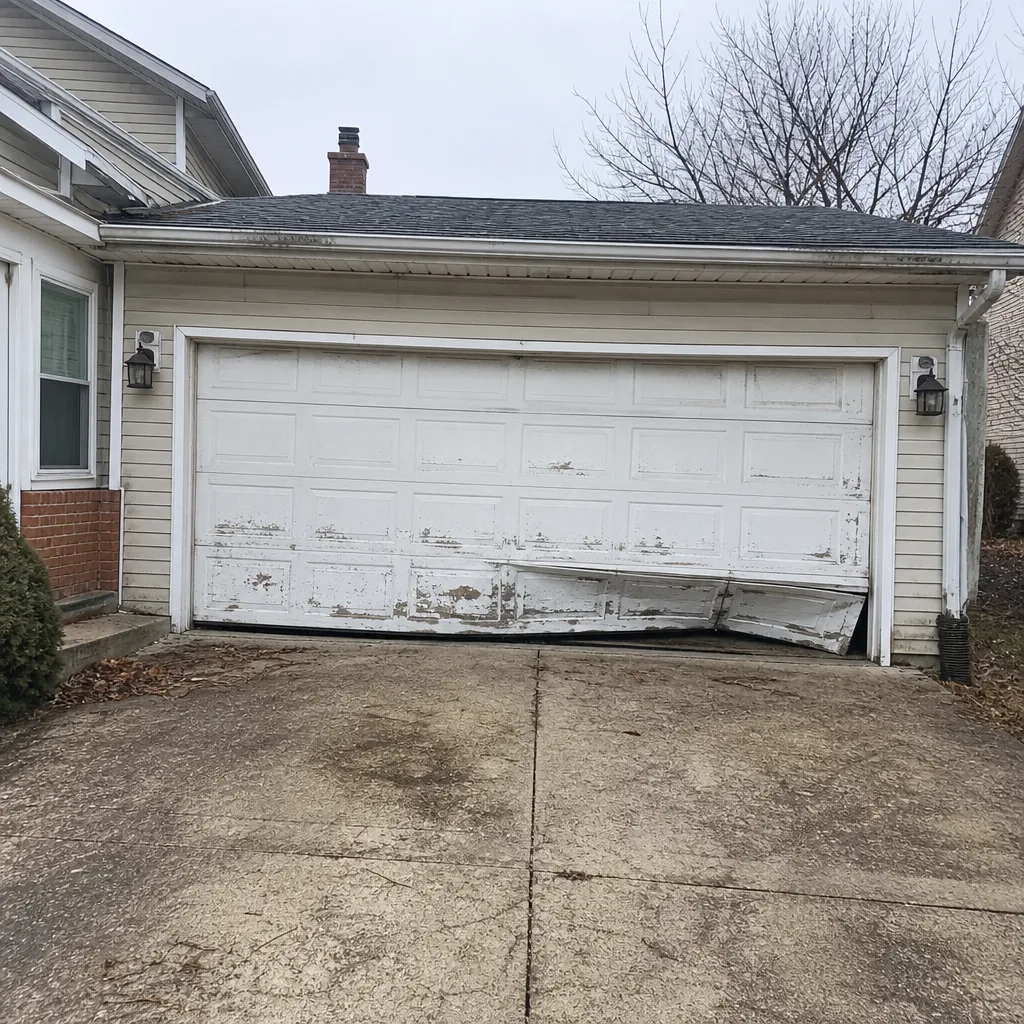 Before
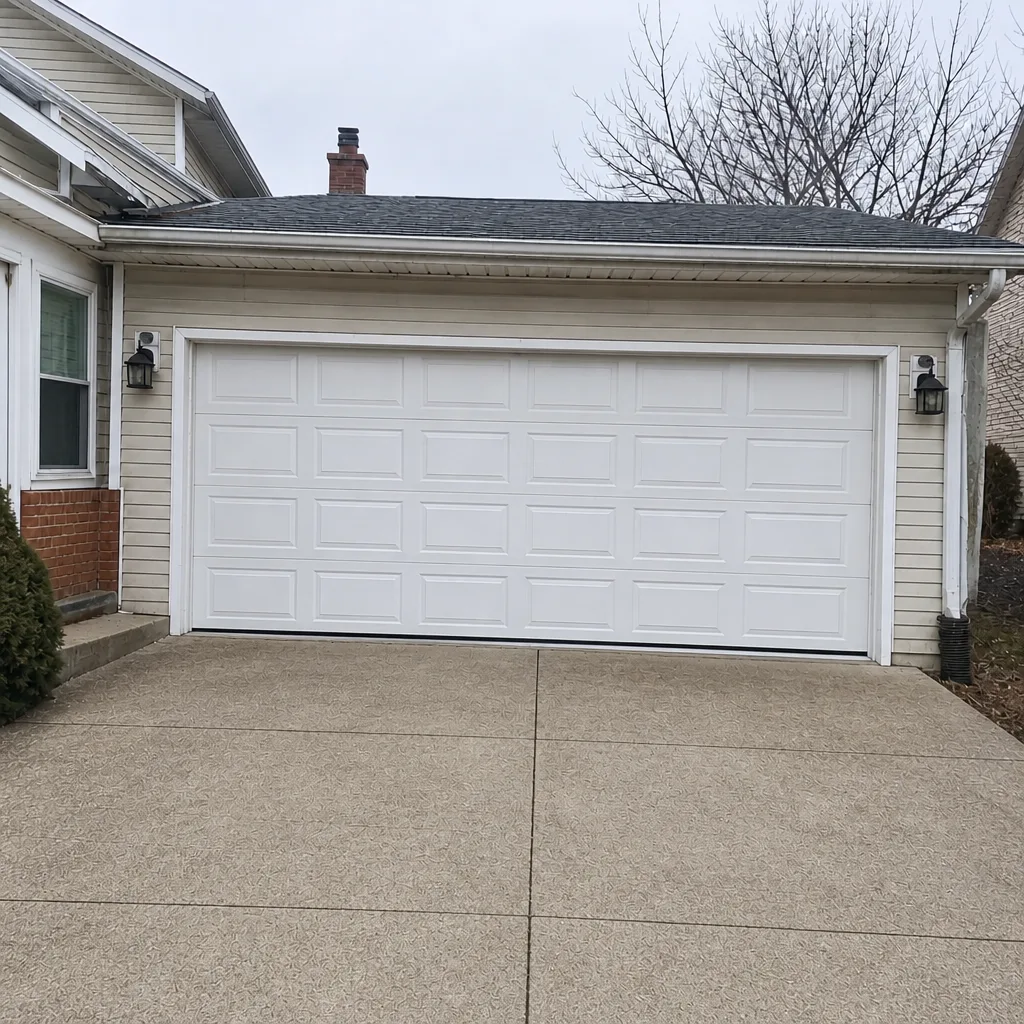 After
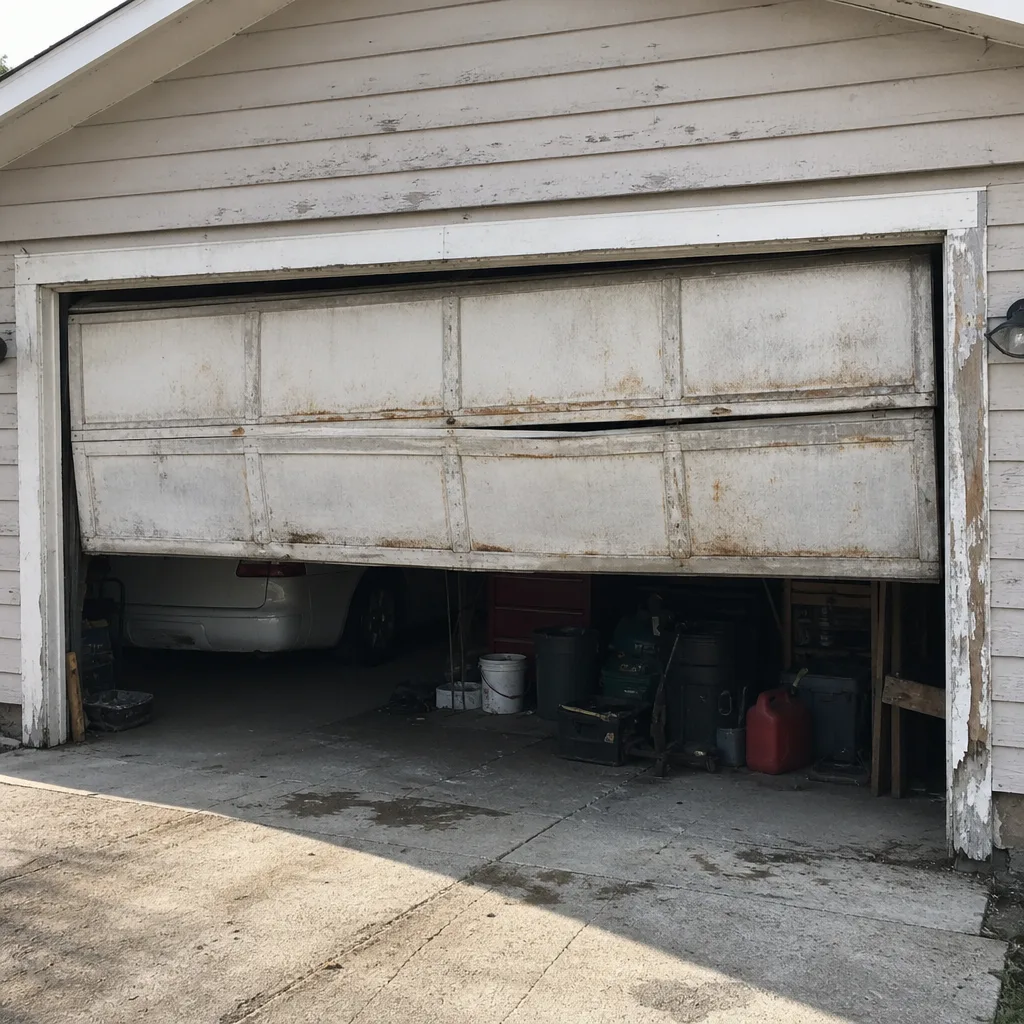 Before
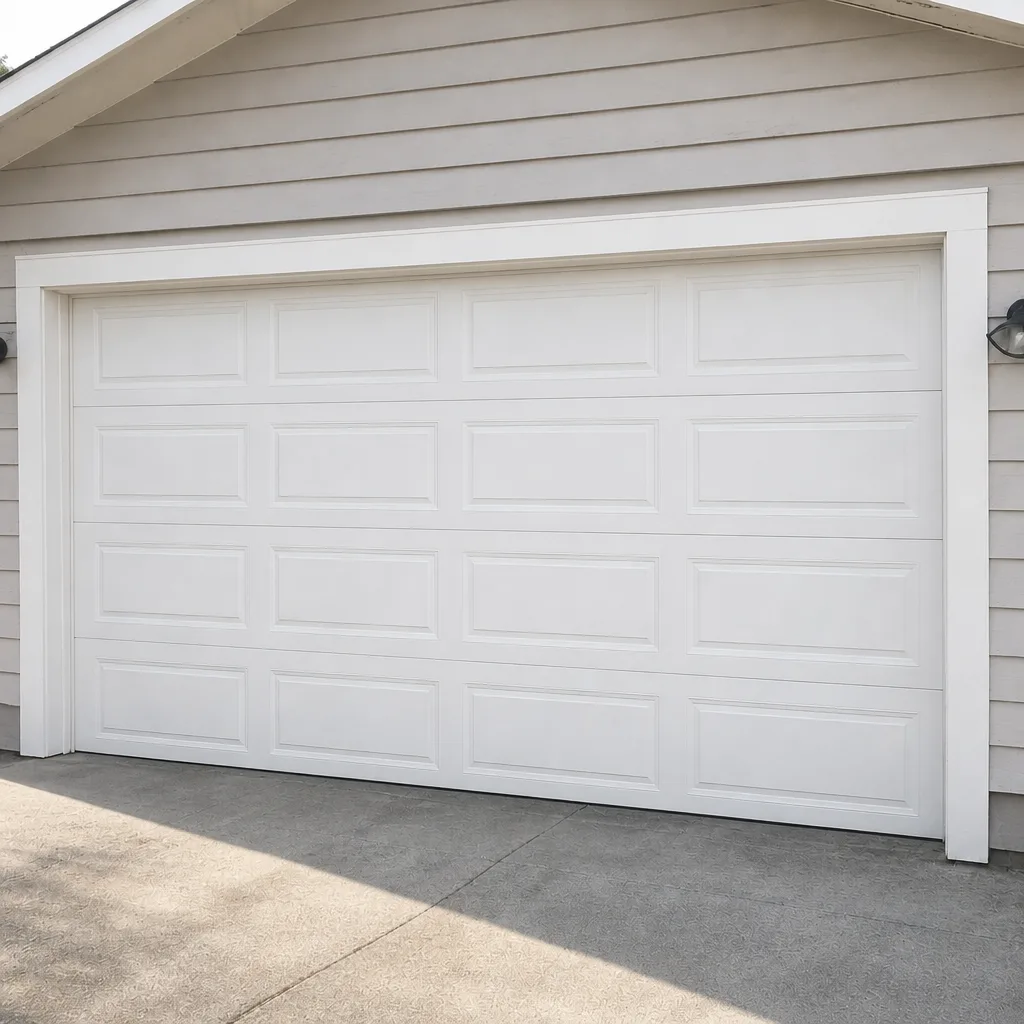 After
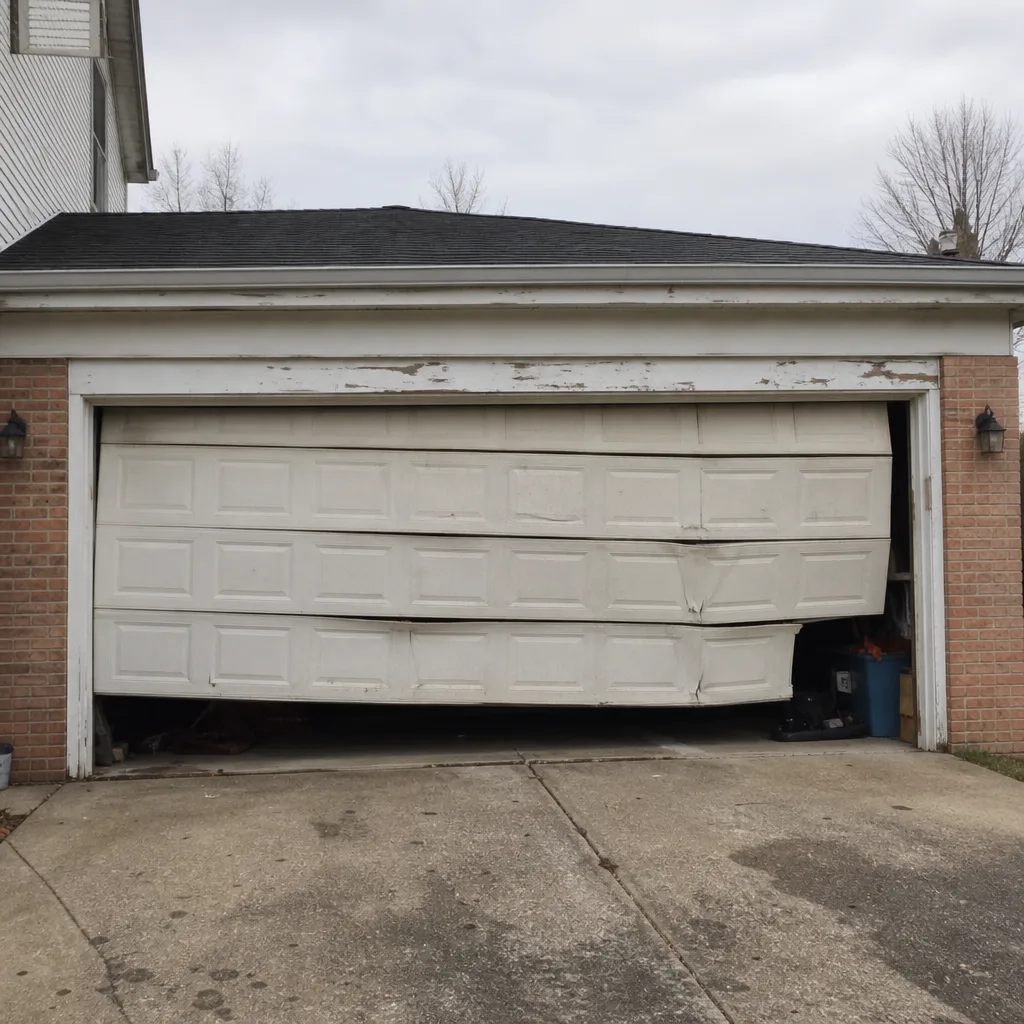 Before
 After
When to Call a Professional
Call a technician when the door won’t close flush after a visual inspection, when the seal isn’t compressing evenly and replacement doesn’t fix it, or when a seasonal gap points to concrete movement. Call for any spring or cable work, any broken or fraying safety cable, and any door that sounds different after a freeze. Call if the opener’s safety reverse won’t adjust, if the door feels heavy with the opener released, or if you hear a pop at any point. Aurora Garage Door Repair Pros offers free estimates in Aurora. These are the calls where the fix is specific and the diagnosis matters. When the door won’t move, we do. Call (866) 947-9649.
Frequently Asked Questions
Twice a year is the minimum for most Aurora homes: once in late fall before the first freeze and once in spring after the freeze-thaw season. Homes with visible slab movement or heavy driveway traffic do best with an additional check. The seasonal swings are what make twice a year the practical baseline, not a generic calendar.
A low-temp synthetic lubricant or a specialty garage door lubricant is the right choice for Aurora winters. White lithium grease can thicken in sub-zero cold and attract grit, and heavy general-purpose grease or light spray oils aren’t suited to load-bearing parts. Apply to hinges, rollers, and the opener drive, not the tracks.
You can safely check whether the cable is present, attached at both ends, and free of obvious fraying with the door closed. Don’t touch the spring or cable, and don’t try to adjust or replace one. If anything looks off, call a specialist; extension springs hold force even when the door is closed and a release can cause serious injury.
The most common cause is a bottom seal that’s stopped compressing after the first freeze, letting meltwater run under the door. A worn seal, a door that’s out of adjustment, or a floor slab that has heaved can all cause it. Check for daylight along the bottom edge and dampness inside the threshold, and call if new seal doesn’t fix it.
Replacing worn weatherstripping is a reasonable homeowner task, but a gap caused by concrete heave needs the cause addressed first. If new stripping doesn’t close the gap, or the gap opens and closes with the seasons, the door’s track alignment or balance likely needs a technician. If you’re in an older Aurora neighborhood with visible slab movement, call a specialist.
A maintenance or repair check is quoted after diagnosis, and the written estimate sets the final price, so there’s no surprise invoice. If a real problem turns up, we explain it before any work starts. Call (866) 947-9649 for an exact quote, and estimates are free.
The Bottom Line
The right checklist for an Aurora door is sequenced by what fails first in this climate, not alphabetical order. Bottom seal compression after the first freeze leads the list, because that’s where water intrusion and floor rot start. Weatherstripping gaps caused by concrete heave come second. Cold-rated lubrication and extension spring safety cable checks follow. Test the opener’s safety reverse every season. Know where a maintenance item becomes a liability, and never touch a spring or cable yourself. Our technicians have up to 9 years of experience and service LiftMaster, Chamberlain, Genie, Clopay, Amarr, Wayne Dalton, Craftsman, and Raynor hardware. That sequencing is what we build a maintenance visit around for Aurora homeowners.
Every service visit is quoted and agreed before any work starts, and we work with your insurer where applicable. We only do garage doors, and if the diagnosis says the door needs replacement rather than a repair, we handle the garage door repair decision with you rather than handing the problem off. The local professionals we connect you with are licensed and insured as Illinois requires. Call (866) 947-9649 for a free estimate and to schedule your seasonal check.
Written by the team at Aurora Garage Door Repair Pros.